How Additive Manufacturing Transforms Eyewear
Introduction: The Shift to Customization
The eyewear industry is changing rapidly. Consumers now demand sustainability and personalization. Mass-produced glasses often fail to provide a perfect fit. 3D printing offers a solution to this problem. This technology disrupts traditional production methods. It allows for unique designs with minimal waste. Makers can create bespoke frames for specific face shapes. They can also produce prototypes in hours. This agility surpasses conventional manufacturing. 3D printing is becoming a standard tool for opticians and designers.
Key Benefits of 3D Printed Glasses
1. A Precise Custom Fit. Customization is the primary advantage. 3D printing creates frames for individual facial features. Designers use scanning apps to map the face. They can adjust the nose bridge width. They can modify the temple length. This process ensures superior comfort. Standard glasses cannot match this precision.
2. Sustainability and Waste Reduction. Traditional manufacturing cuts frames from plastic blocks. This method creates significant waste. 3D printing uses an additive process. It builds the object layer by layer. The printer uses only the necessary material. This approach supports lean production principles.
3. Rapid Prototyping. Traditional prototyping takes a long time. It involves complex molds and machining. 3D printing accelerates this timeline. A designer can print a concept in a few hours. They can test the fit immediately. Adjustments happen quickly.
Printable Components
Advancements in technology allow for printing most eyewear parts.
- The Frames: The frame is the central component. 3D printing enables complex geometries. These shapes are difficult to mold traditionally.
- The Temples (Arms): These parts provide stability. Flexible materials improve the grip. Designers can print integrated hinges. This design eliminates the need for small screws.
- Sunglasses: Designers can prioritize aesthetics here. The technology supports bold and futuristic shapes.
Recommended Equipment and Materials
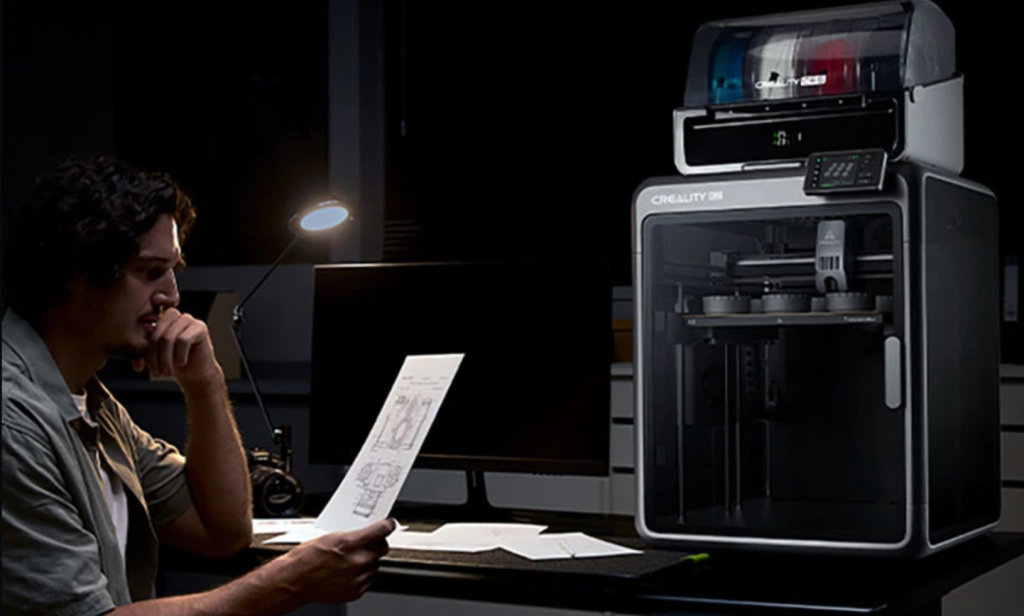
The quality of the eyewear depends on the hardware and materials.
Best Materials
- Resins (Standard & Flexible): Resins provide a smooth finish. They capture intricate details well. This material is ideal for skin contact after curing.
- Nylon (PA11/PA12): This material is an industry standard. It is lightweight and durable. Nylon is also hypoallergenic.
- TPU: TPU offers rubber-like properties. It is flexible and resists impact. It works well for temples.
- PETG: PETG is stronger than standard PLA. It possesses some flexibility. It is excellent for testing frame ergonomics.
Best 3D Printers
- Resin Printers (SLA/DLP): These printers offer high detail. They create smooth surface finishes.
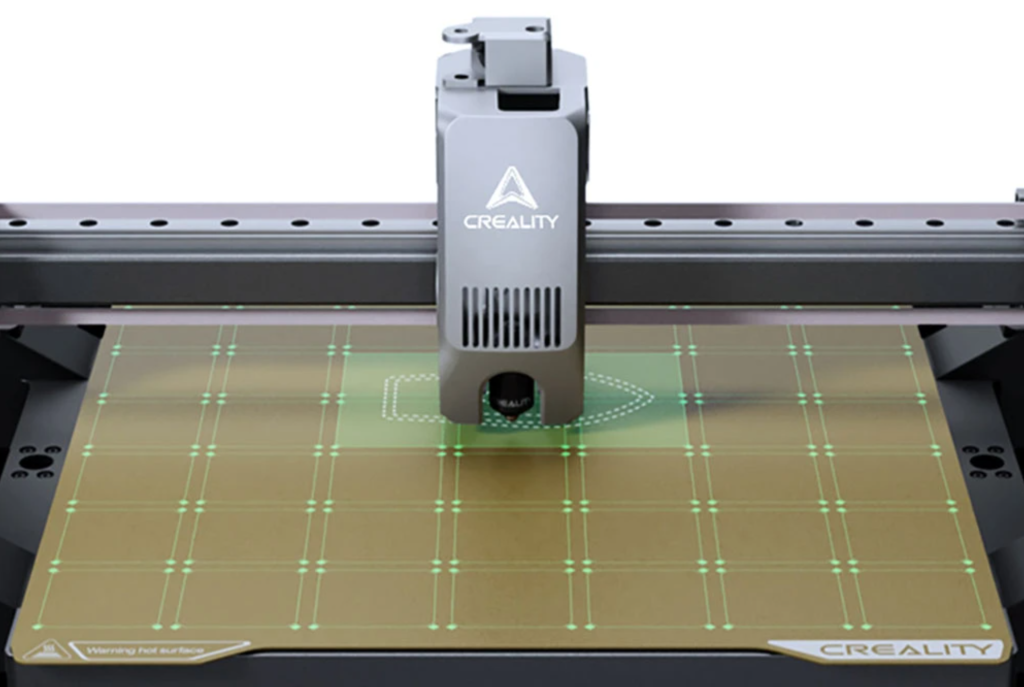
- FDM Printers: These machines are versatile. They handle durable materials like PETG and Nylon effectively.
- SLS Printers: Professionals use these for high-performance parts. SLS printers do not require support structures.
Step-by-Step Production Guide
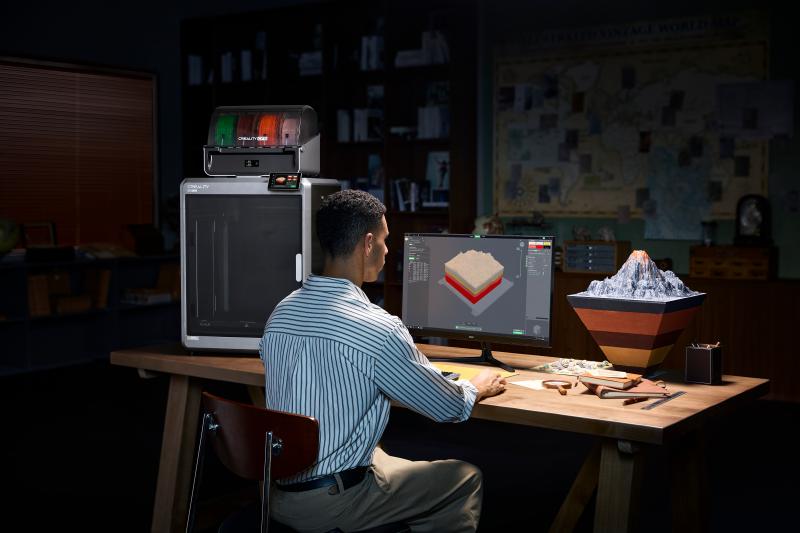
Innovators use this workflow for professional results.
Step 1: Digital Design The process begins with CAD software. Programs like Fusion 360 or Blender work well. The designer models the frame front and temples. A 3D scan of the face ensures accuracy.
Step 2: Component Separation. Do not print the glasses as one piece. Separate the model into distinct parts. Isolate the frame front, temples, and hinges. This strategy improves print quality. It also simplifies post-processing.
Step 3: Printing Select the appropriate material. Resin offers a refined aesthetic. Nylon or PETG provides durability.
Step 4: Post-Processing Raw prints require finishing. Resin parts need alcohol washing and UV curing. FDM prints often require sanding. Vapor smoothing can also remove layer lines. The surface must be smooth for comfort. Assemble the parts using screws or printed snaps.
Step 5: Lens Installation. Insert the lenses carefully. Snap them into place for non-prescription eyewear. Professional optical labs should handle prescription lenses. This ensures safety and proper visual alignment.
Conclusion: A Personal Future
3D printing redefines the optical industry. It enables custom fits and reduces waste. Independent designers and startups benefit greatly. Makers can produce professional eyewear at home. The process puts production power in the hands of the user.
Frequently Asked Questions
Q1: Can I 3D print glasses at home? Yes. A desktop 3D printer works for this task. You need a digital design file. You also need the correct material.
Q2: Are these frames durable? Yes. Performance materials make them robust. Nylon (PA12) and TPU are very strong. Many brands sell these frames as final products.
Q3: Which material is best for sunglasses? Nylon and Resin are popular choices. They offer a good finish. TPU is good for flexible arms. It provides a secure grip for sports.
