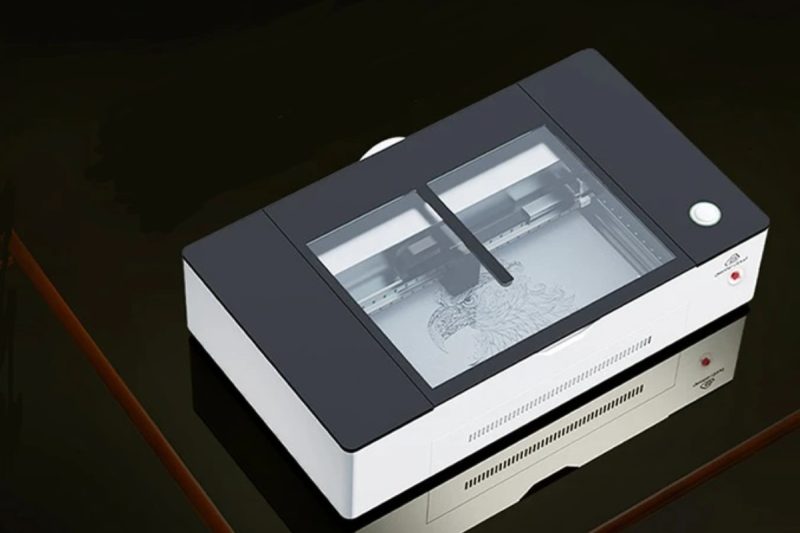
Navigating the market for a laser machine can be a headache, simply because there are so many different technologies competing for your attention. Generally, you’re going to be choosing between three main contenders: CO₂ lasers, fiber lasers, and diode lasers. Each has a distinct personality and technical strength, so the “right” choice is really just a matter of matching the wavelength to the materials you plan to work with in your shop.
The Workshop Workhorse: CO₂ Lasers
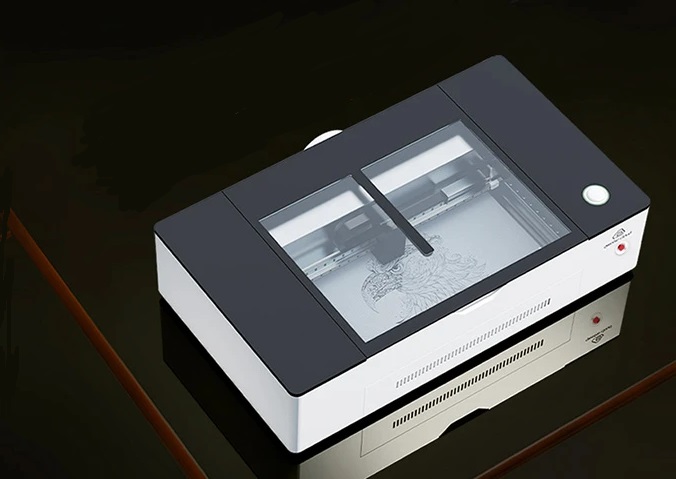
If your projects involve organic materials, the CO₂ laser is effectively the industry standard. These machines operate at a wavelength of 10,600 nanometers, a frequency that reacts incredibly well with non-metals. Whether you are setting up for a small business or a prototyping lab, this is likely the machine you want for working with wood, leather, paper, and acrylics.
They are known for raw power—ranging from dozens of watts up to several kilowatts —which makes them highly efficient for cutting through large surface areas. However, they aren’t perfect. The beam quality tends to be lower than other types, and they are effectively useless if you try to engrave bare metal.
The Metal Specialists: Fiber and MOPA
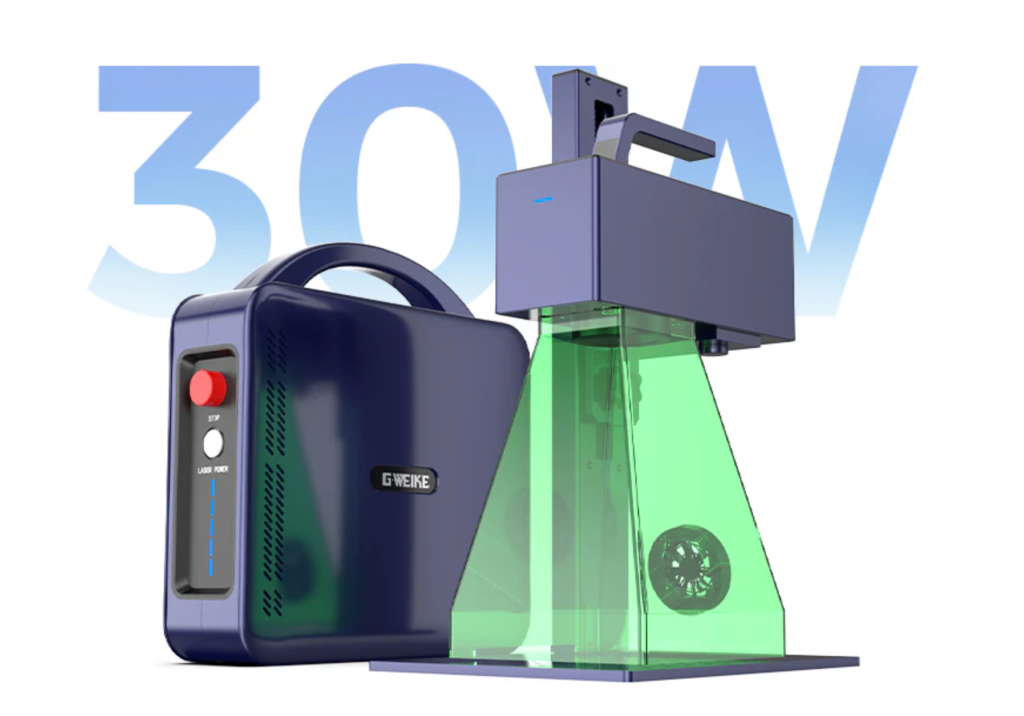
When you switch gears to metal, you leave the CO₂ world behind and enter the domain of fiber lasers. These operate at 1,064 nm in the near-infrared spectrum, which allows the light to interact perfectly with metallic surfaces.
You’ll typically find these in industrial settings where speed and efficiency are paramount. They offer excellent beam quality and are the primary tool for marking and engraving metals. While they excel at mass production, they come with a higher price tag and cannot cut large non-metal sheets.
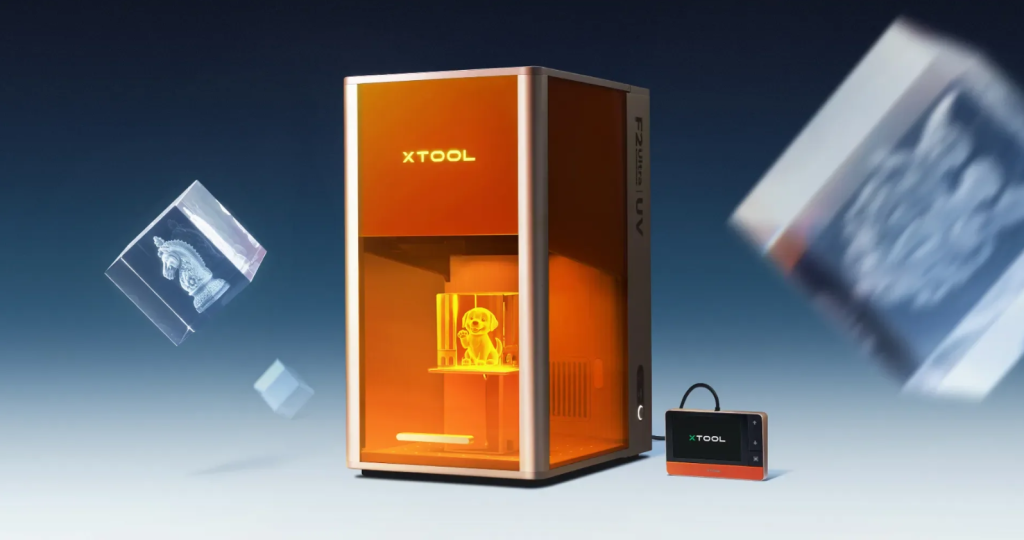
For those needing even more control—perhaps for high-end, detailed metal work—there is a variant known as the MOPA laser. While it shares the same 1,064 nm wavelength as standard fiber models, it offers significantly higher flexibility and precision. It’s the superior choice for intricate engraving tasks that standard fiber machines might mishandle.
The Entry-Level and The Specialist
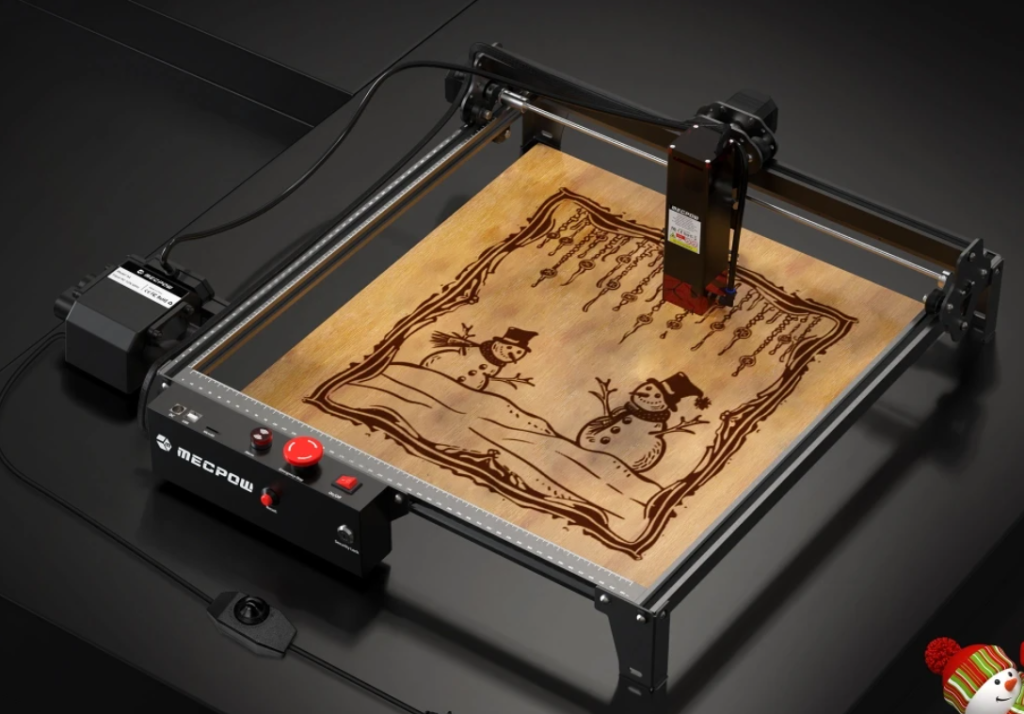
Not every user runs an industrial floor. For home studios and hobbyists, the diode laser is the most approachable starting point. These compact units operate between 450 nm and 1550 nm. You trade power for affordability here; they usually output in the range of milliwatts to tens of watts. While you won’t be doing heavy cutting, they are fantastic for light engraving on leather or wood, and handle small detail work easily.
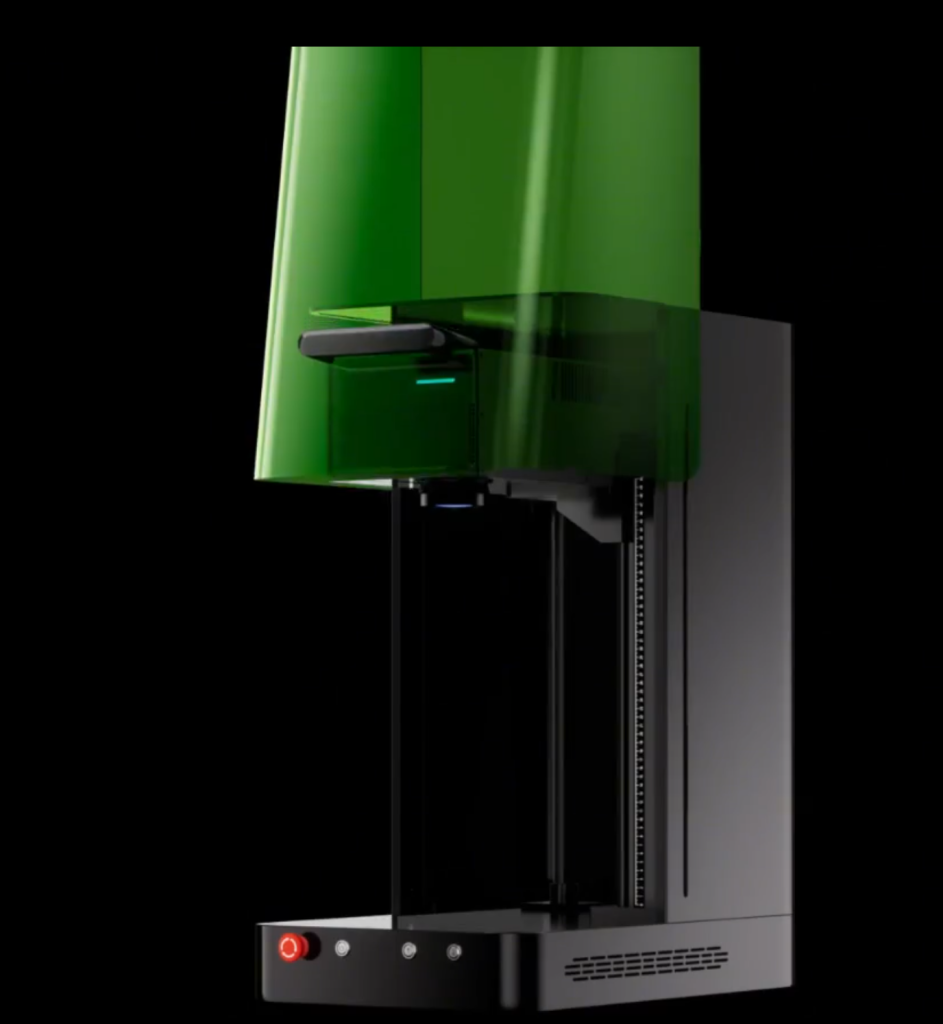
On the complete opposite end of the spectrum is the UV laser. Operating in the ultraviolet range (350–400 nm), this is a precision specialist designed for hard, brittle materials. UV lasers are mainly used for precision micro-marking on sensitive materials like plastics, ceramics, and electronics, while CO₂ lasers remain the most common choice for glass engraving.
Making the Decision
Ultimately, your material dictates your machine.
- Wood & Acrylics: Go with a CO₂ laser. It is the undisputed king of cutting non-metals.
- Metal Marking: A fiber laser gives you the speed required for industrial tasks. If you need high-precision results on metal, upgrade to a MOPA.
- Glass: CO₂ lasers are the most commonly used solution for engraving.
- Ceramics and fine micro-marking: UV lasers are more suitable.
- Home Customization: If you are just starting out with small customizations, a diode laser is affordable and sufficient.
