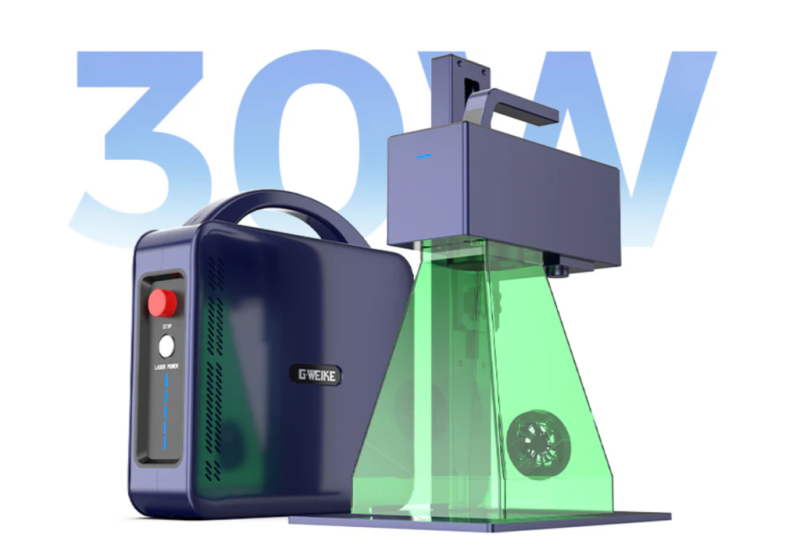
If you’ve spent any time browsing laser machines lately, you have probably hit the “wavelength wall.” You see terms like CO₂, Diode, and Fiber thrown around, and then there is this category that sits somewhat quietly in the middle: the Near-Infrared (NIR) laser.
It’s easy to get lost in the specs, but understanding IR lasers is actually straightforward if you look at what they solve. While standard diode lasers are fantastic for burning designs into wood or leather, they hit a hard stop when they face bare metal. This is where the NIR laser—operating in the 700 to 1400 nm range—steps in. It uses a wavelength that metals actually absorb rather than reflect, allowing you to engrave stainless steel, aluminum, and even perform fine marking on plastics.
| Feature | Near-Infrared (NIR) | CO₂ Laser | Fiber Laser |
| Wavelength |
700 nm – 1400 nm |
10,600 nm |
1064 nm |
| Primary Materials |
Metals, Plastics |
Wood, Leather, Acrylic |
Metals, Hard Plastics |
| Strengths |
Metal penetration, fine marking |
Fast cutting of non-metals |
High speed, industrial durability |
| Ideal User | Hobbyists marking metal | Crafters cutting wood/acrylic | Industrial manufacturers |
Think of the IR laser as the bridge between hobbyist crafting and industrial manufacturing.
CO₂ Laser
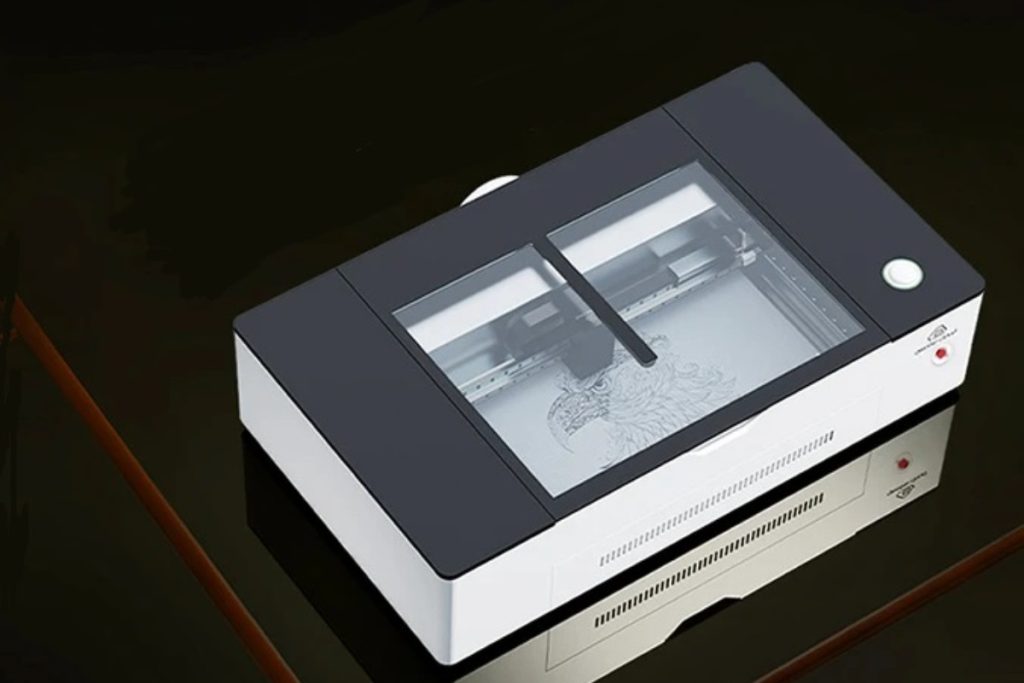
To really get why this matters, you have to look at the alternatives. Take the CO₂ laser, for instance. It’s the workhorse for many workshops because it operates at a massive 10,600 nm wavelength, which is brilliant for cutting through organic materials like wood, paper, and leather. However, that beam is notoriously bad at dealing with metal; it just doesn’t have the right interaction properties for engraving it effectively. If your daily work involves cutting plywood or acrylic sheets, the CO₂ is still your king, but it won’t help you mark a customized steel flask.
Fiber Laser
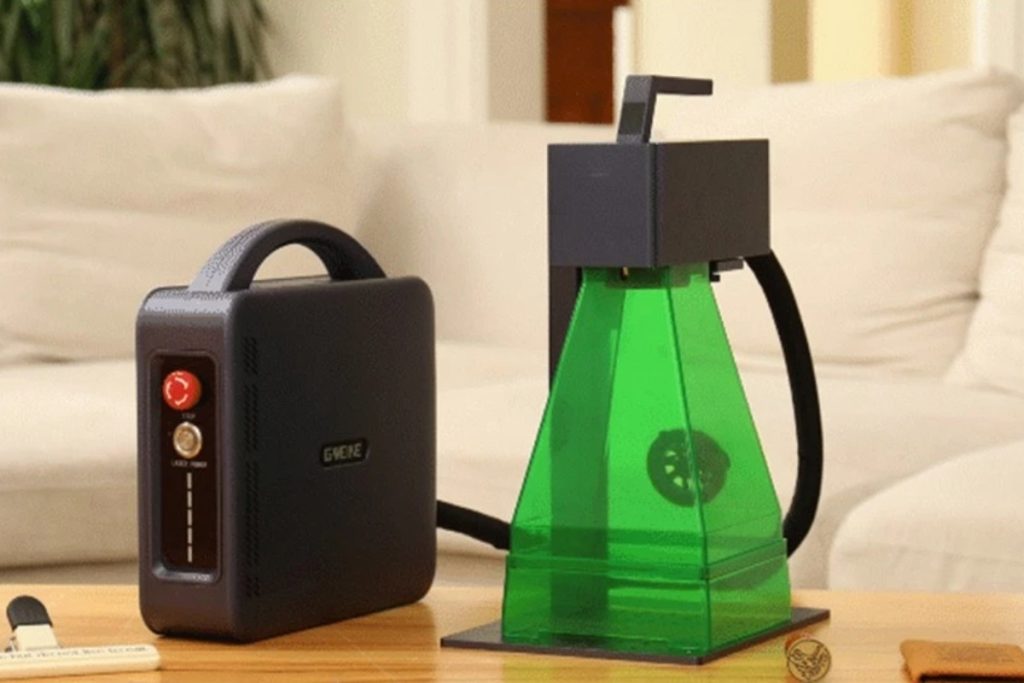
On the flip side, you have Fiber lasers. These are the industrial heavyweights. They typically run at 1064 nm (right in that infrared zone) and offer incredible beam quality and speed. A fiber laser is what you buy if you are running a production line marking thousands of parts. But they are expensive and often overkill for a small studio or a prototyping environment.
NIR Laser
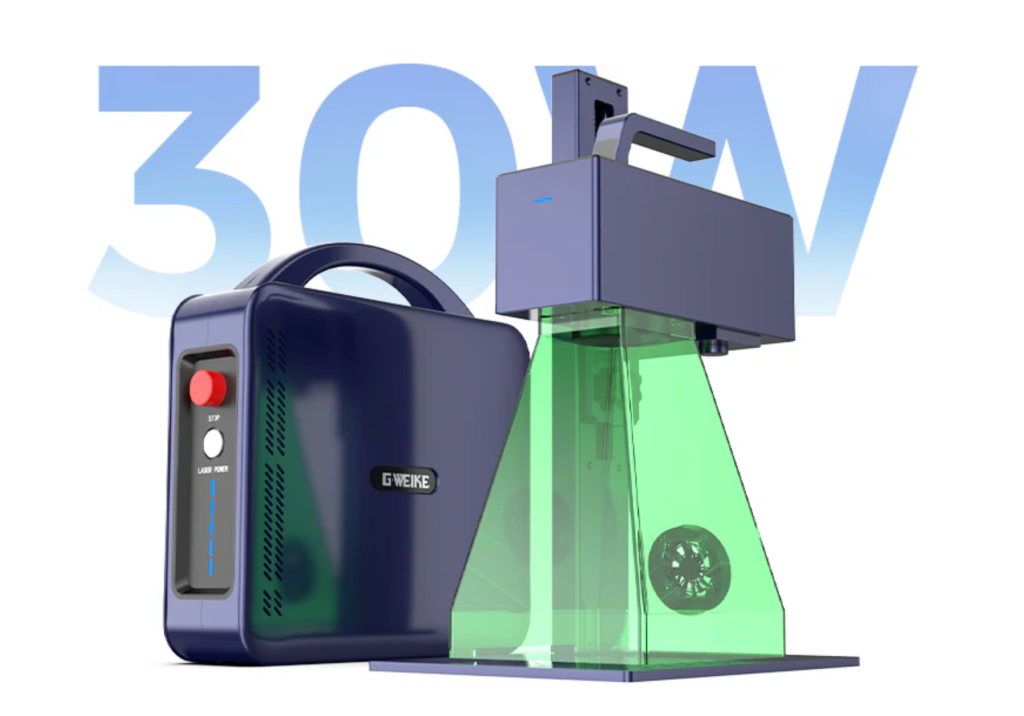
This is where the standard NIR laser finds its niche. It gives you that metal-engraving capability—similar to a fiber laser—but usually at lower to medium power levels (milliwatts up to tens of watts). It might not cut through thick metal sheets, but for surface processing, engraving, and detailed marking, it is a highly effective tool that fits into a much smaller budget and form factor.
MOPA and UV Lasers
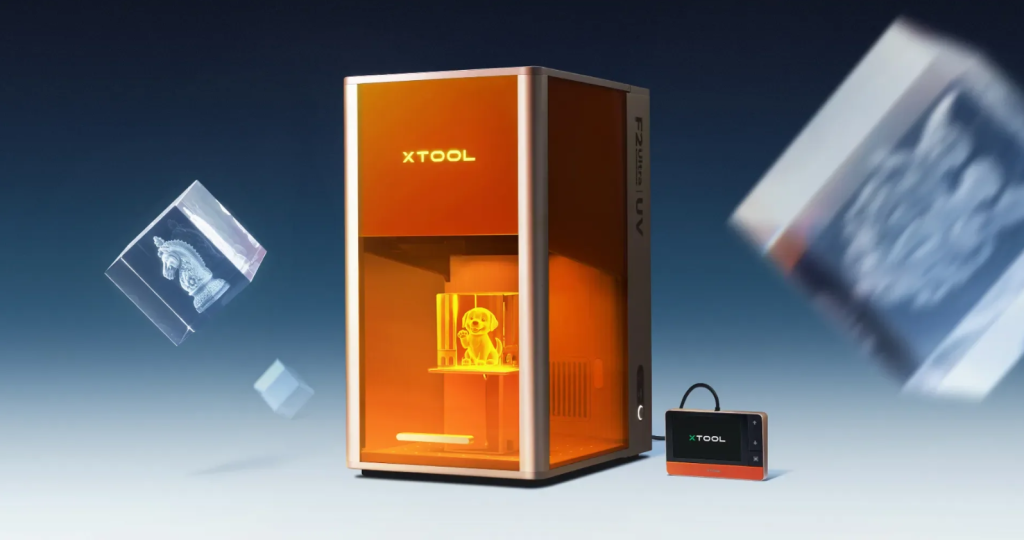
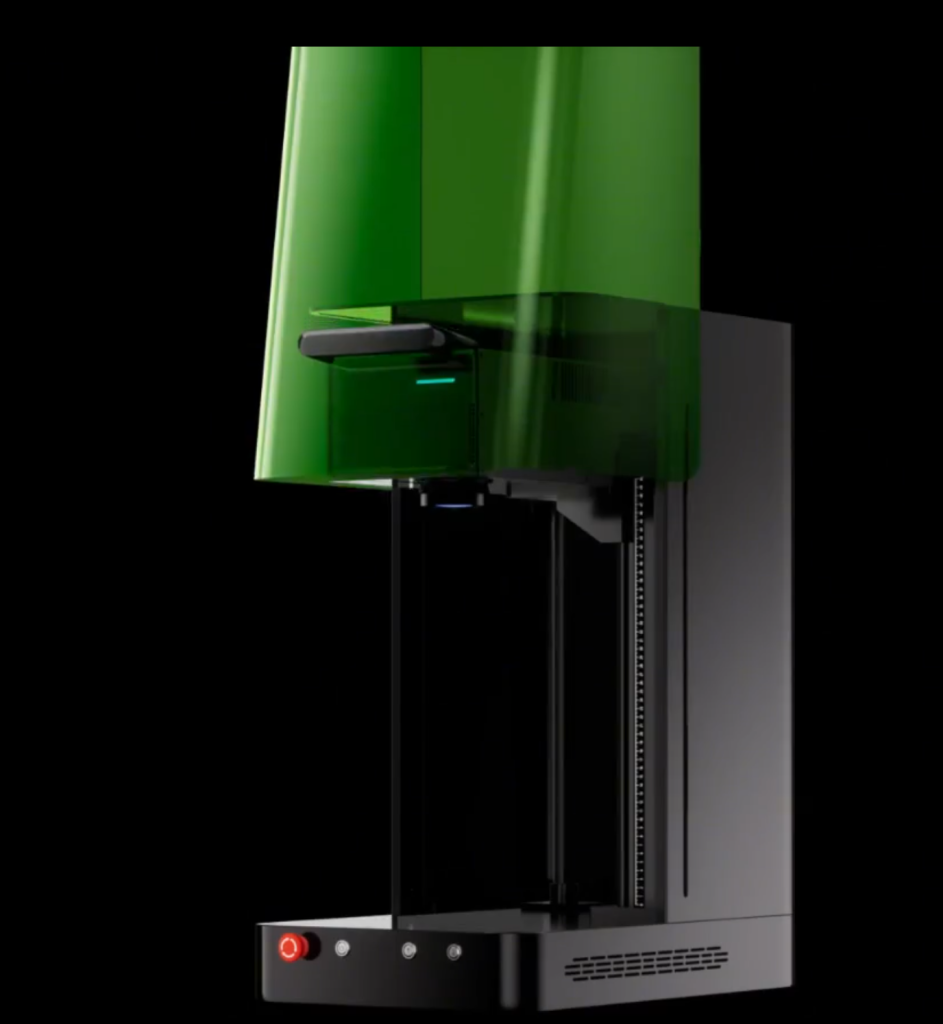
We also see confusion regarding MOPA and UV lasers. MOPA is essentially a smarter, more flexible fiber laser; it allows you to adjust pulse durations for incredibly precise, high-end finishes on electronics or jewelry, but it comes with a price tag to match. UV lasers, operating at the 350–400 nm range, are a different beast entirely. They are “cold” lasers, perfect for sensitive materials like glass or ceramics, where heat would cause shattering.
Conclusion
So, when is an IR laser the right call?
If you are a creator who has outgrown the limitations of a standard blue diode laser—which is great for wood but poor on metal—and you aren’t ready to drop thousands on an industrial fiber setup, the IR laser is likely the answer. It handles the metals, hard plastics, and even some ceramics that other entry-level machines can’t touch, giving you a level of finish that feels significantly more professional.
