
Are you planning to set up a home workshop? Or perhaps you want to expand your small business’s production line? With so many technical terms, choosing a laser engraver can feel confusing.
This guide will analyze the differences between common laser technologies on the market. We will focus on comparing Diode Lasers with CO2, Fiber, and MOPA lasers. This will help you find the machine that fits your needs and budget.
What is a Diode Laser?
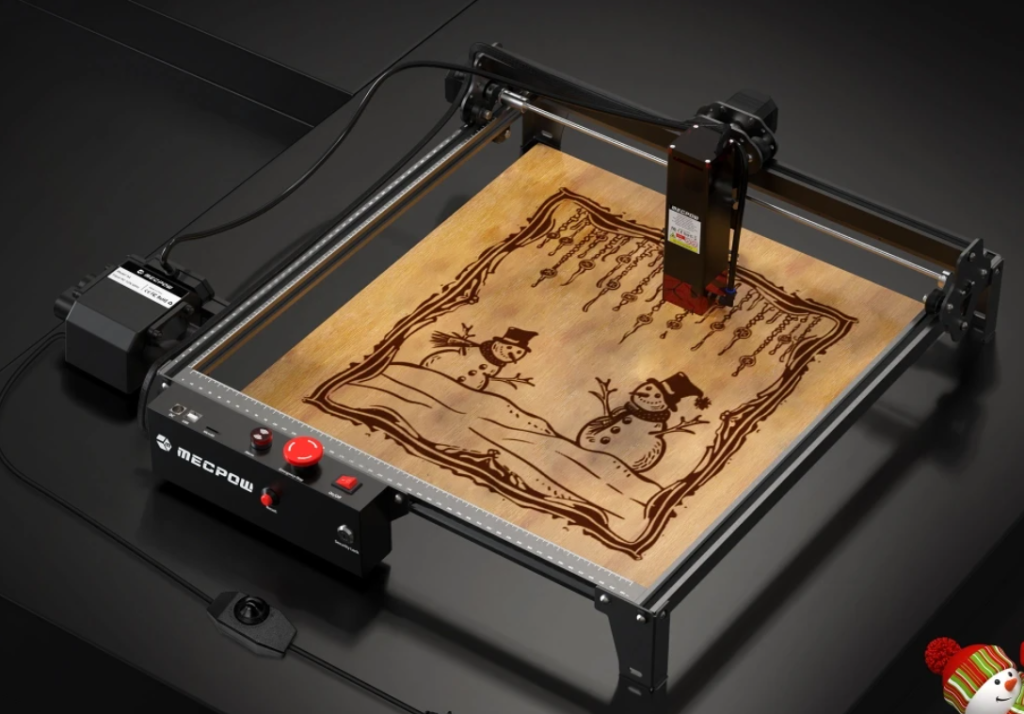
A Diode laser is the most accessible choice for beginners. This technology works using semiconductor materials. Photons are released when electricity flows through the material. These photons eventually concentrate into a laser beam.
Key Characteristics of Diode Lasers:
- Wavelength: Typically ranges from 450nm (Blue light) to 1550nm.
- Design: The machine has a simple structure. It is usually compact. This makes it portable.
- Cost: Manufacturing costs are relatively low. This machine is great for families and small studios.
- Energy Efficiency: Energy utilization is higher. This technology saves more power than older technologies.
Diode vs. Other Lasers: Which One Do You Need?
To make the right purchase decision, you need to understand the performance differences between Diode lasers and the other three types.
Diode vs. CO2 Lasers
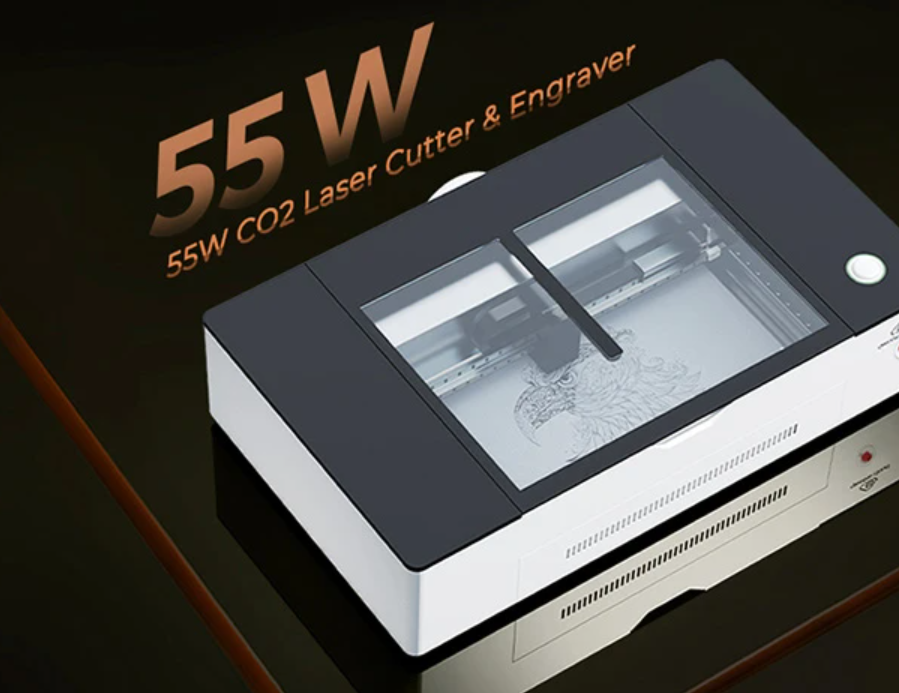
The Battle of Non-Metal Materials
Both machines handle wood or paper well. But their application scenarios differ.
- Diode Lasers: This machine excels at detailed engraving. Their power is usually low (a few watts to tens of watts). This machine is perfect for fine engraving on thin materials. However, low power makes them slow when cutting thick materials.
- CO2 Lasers: This machine is a cutting powerhouse. They use gas as a medium. Their wavelength is longer, reaching 10,600nm. They output extremely high power (tens to thousands of watts). This machine cuts thick wood, acrylic, and leather efficiently.
- The Trade-off: Diode lasers are compact. They do not need complex cooling systems. In contrast, CO2 lasers are bulky. They usually require water cooling systems. CO2 lasers suit large-scale tasks where cutting speed matters.
Diode vs. Fiber Lasers
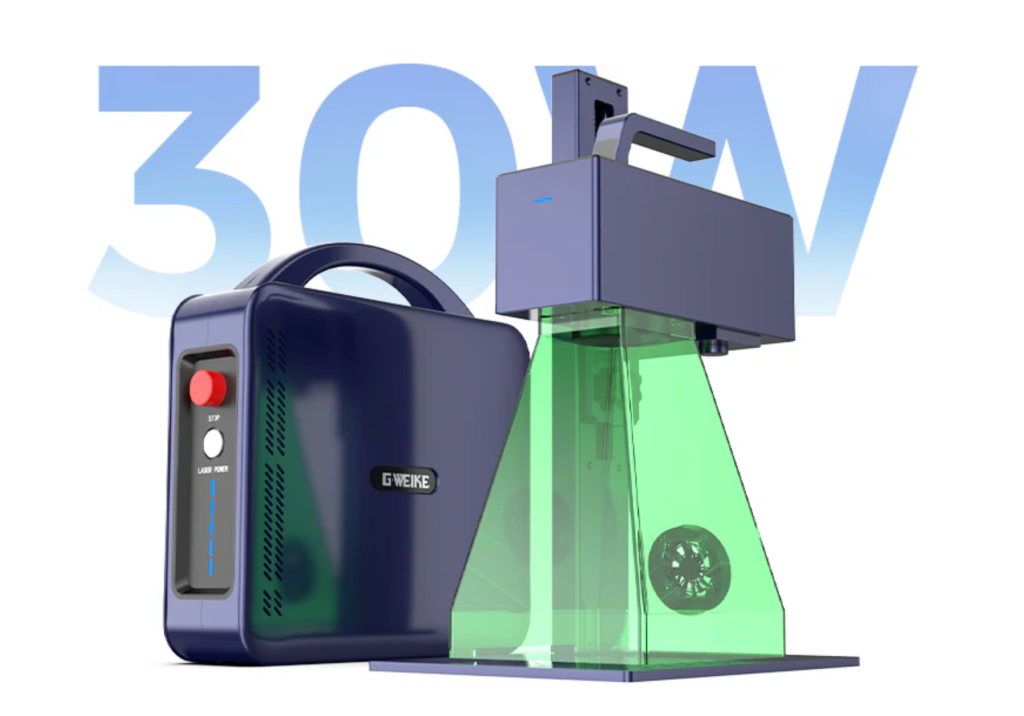
Non-Metals vs. Metals
- Diode Lasers: This machine mainly processes non-metals. Although they can mark coated metals, they cannot handle bare metal. This is because metal absorbs diode wavelengths very poorly.
- Fiber Lasers: This machine is a metal specialist. They generate lasers using optical fibers. Their wavelength is 1064nm. The beam quality is extremely high. This machine marks stainless steel and aluminum precisely and quickly.
- The Trade-off: Fiber lasers are highly efficient. They require almost no maintenance. However, Fiber lasers cost much more than Diode lasers. Also, Fiber lasers cannot process transparent non-metal materials (like clear acrylic).
Diode vs. MOPA Lasers
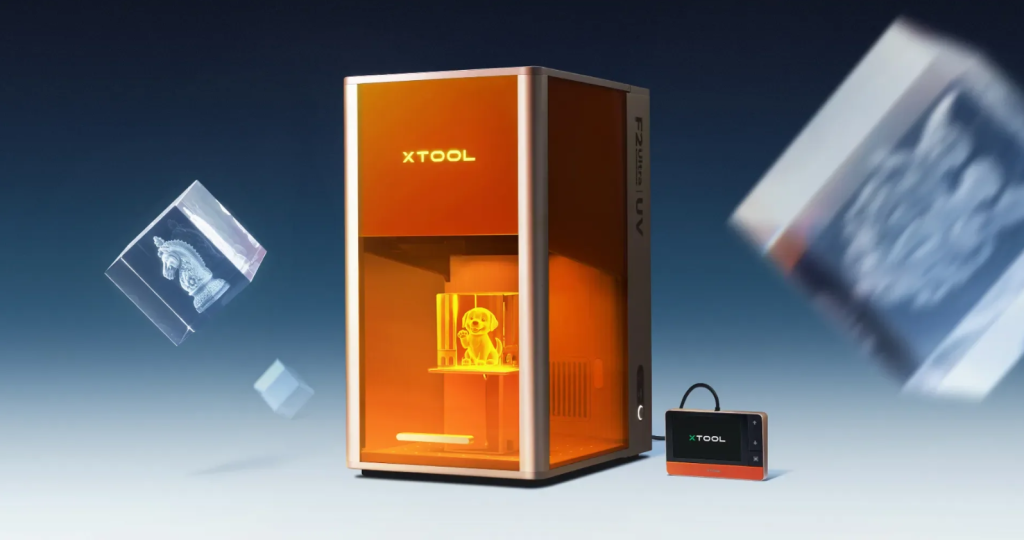
Basic vs. Advanced Precision
- MOPA Lasers: You can view MOPA as an upgraded Fiber laser. This machine allows you to adjust pulse width and frequency. This flexibility brings unique functions. For example, you can mark colors on stainless steel. You can also engrave high-contrast marks on plastics without burning the material.
- The Trade-off: MOPA technology is the most expensive option on this list. Operating this machine is relatively complex. It mainly targets professional users needing extreme precision and versatility.
Quick Comparison Table
The table below summarizes the technical specifications to help you compare quickly:
| Feature | Diode Laser | CO2 Laser | Fiber Laser | MOPA Laser |
| Laser Medium | Semiconductor | Gas (CO2) | Optical Fiber | Optical Fiber |
| Wavelength | 450nm – 1550nm | 10,600nm | 1064nm | 1064nm (Adjustable Freq) |
| Primary Use | Hobby engraving, thin cutting | Heavy cutting, large engraving | Metal marking, industrial coding | High-precision metal & plastic marking |
| Materials | Wood, Paper, Leather, Plastic | Wood, Acrylic, Leather, Fabric | Metals (Steel, Aluminum), Hard Plastics | Metals, High-density Plastics |
| Power | Low (Watts) | High (Watts to Kilowatts) | High | High |
| Beam Quality | Lower (Harder to focus) | Lower precision (Larger spot) | High precision | Extreme precision |
| Cost | Low (Budget-friendly) | Medium to High | High | Very High |
Buying Advice: Which User Are You?
Based on the pros and cons of each machine, we offer the following advice:
The Creative Hobbyist (Choose Diode) Do you work in a home office or garage? Do you want to make personalized gifts or wood decorations? The Diode Laser is your best choice.
- Why? This machine has a low cost. It is compact and energy-efficient. It handles details on organic materials very well.
The Small Production Business (Choose CO2) Does your business rely on cutting acrylic or thick plywood? Do you need to make signage or puzzles? You need a CO2 Laser.
- Why? High power brings faster cutting speeds. Diode lasers cannot complete deep cutting tasks efficiently.
The Industrial or Jewelry Specialist (Choose Fiber or MOPA) Do you need to put serial numbers on tools? Do you need to engrave jewelry or process bare metal? You must choose a Fiber or MOPA Laser.
- Why? Diode and CO2 lasers cannot effectively mark bare metal. Fiber lasers offer speed and durability. MOPA lasers offer flexibility for color marking and handling special plastics.
