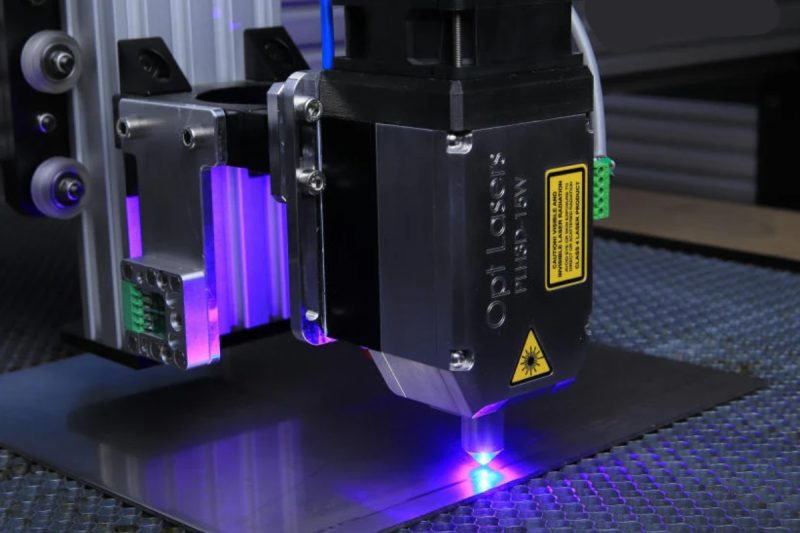
The term MOPA stands for Master Oscillator Power Amplifier. This technology represents an advanced version of the standard fiber laser. It offers superior flexibility and precision. MOPA systems use two main components: a Master Oscillator and a Power Amplifier. This design allows the operator to adjust parameters that standard lasers cannot change.
How MOPA Differs from Standard Lasers
The main difference lies in control. A standard fiber laser uses a fixed pulse width. The beam hits the material with the same duration every time. A MOPA laser allows for adjustable Pulse Width and Frequency.
Imagine a light switch. A standard fiber laser is a simple on-off switch. A MOPA laser is a precise dimmer switch. The operator can choose short pulses or long pulses. This adjustment changes how the laser interacts with the material.
Key Capabilities of MOPA Systems
MOPA lasers offer specific features for high-end applications. These features justify the higher cost for many professionals.

1. Color Engraving on Stainless Steel
Standard lasers mark in grey or black. MOPA lasers can produce colors on stainless steel. The operator adjusts the pulse width to heat the surface precisely. This process creates a controlled oxidation layer. This layer reflects light in various colors. Users can achieve blue, orange, and red tones.
2. High-Quality Black Marking
Many electronic devices use anodized aluminum. Standard lasers often damage this surface. The result looks white or grey. A MOPA laser can create a true black mark. The surface remains smooth to the touch. This application is essential for branding on electronics.
3. Precision on Plastics
Standard fiber lasers are often too powerful for plastic. The heat causes the material to melt or bubble. MOPA lasers can use very short pulses. These pulses mark the plastic gently. The result is a high-contrast image without distinct burns.
Comparison: Which Laser Fits Your Needs?
Different lasers serve different purposes. The following table highlights the primary distinctions.
| Feature | MOPA Fiber Laser | Standard Fiber Laser | CO₂ Laser |
| Best For | Precision Metal & Plastics | General Metal Marking | Wood, Leather, Acrylic |
| Wavelength | 1064 nm | 1064 nm | 10,600 nm |
| Flexibility | High (Adjustable Pulse) | Medium (Fixed Pulse) | Low (Material Specific) |
| Stainless Steel | Color Marking | Black/Grey Only | No Effect |
| Plastics | High Contrast | Risk of Melting | Cutting & Engraving |
| Price | High | Medium | Medium |
Advantages and Disadvantages
The Pros
- Versatility: One machine handles many materials.
- Precision: The beam quality is excellent for fine details.
- Capability: It is the only fiber laser capable of color marking.
- Safety: Short pulses protect sensitive materials like plastic.
The Cons
- Cost: The price is higher than standard models.
- Complexity: The machine has many settings. The operator needs time to learn them.
- Limitation: It cannot cut wood or clear acrylic efficiently.
Final Verdict
Choose a MOPA Laser if:
- Your projects require color on stainless steel.
- You engrave sensitive plastics or electronic components.
- Your business demands the highest possible precision.
Choose a Standard Fiber Laser if:
- You only need to mark deep logos on metal.
- Your budget is limited.
- You do not need color capabilities.
Choose a CO₂ Laser if:
- Your primary materials are non-metals like wood or leather. MOPA lasers do not react with these organic materials.
