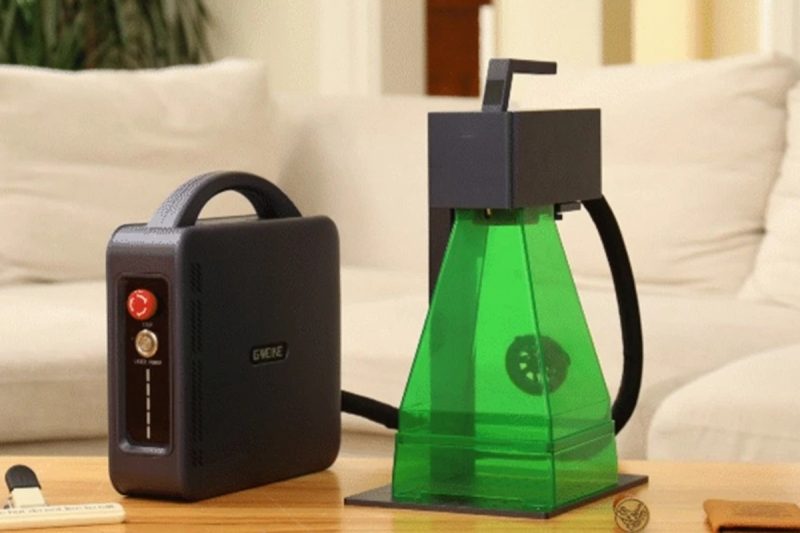
Selecting the right laser engraver can be a challenge. The market offers many different technologies. This guide clarifies the differences between Fiber Lasers and other common laser types. We aim to help you choose the best machine for your specific needs.
Fiber Lasers vs. CO₂ Lasers
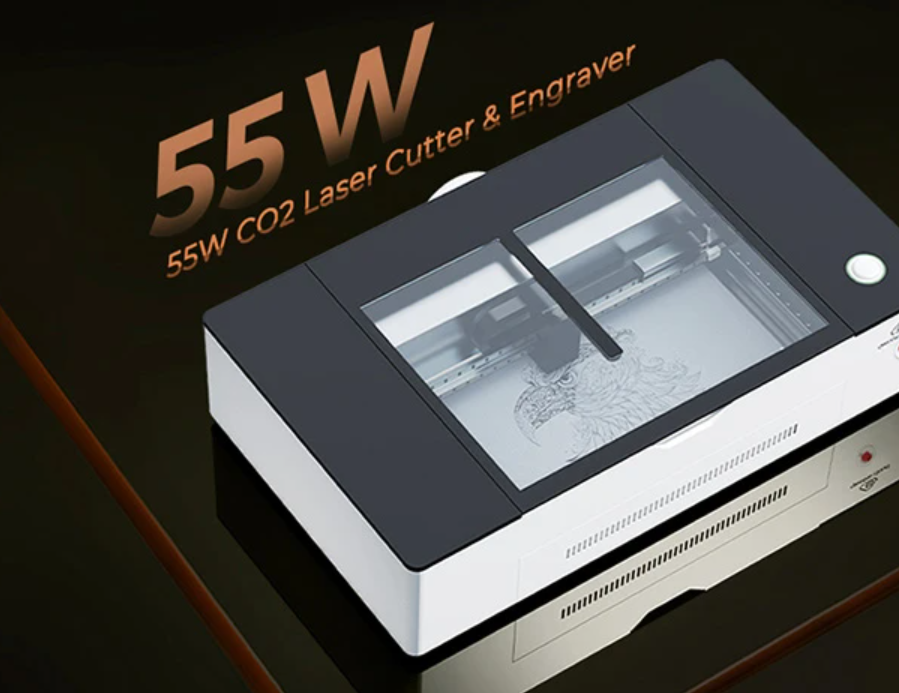
Comparison: Metal vs. Organic Materials
These two technologies serve very different purposes.
- The Intersection
CO₂ lasers and Fiber lasers utilize different power sources. CO₂ uses gas, while Fiber uses optical cables. However, both can process certain plastics. Some Fiber lasers can mark opaque plastics. Some CO₂ lasers can mark coated metals.
- The Difference
CO₂ Lasers excel with organic materials. They cut and engrave non-metals like wood, leather, paper, and acrylic.
Fiber Lasers specialize in metals. They work best on stainless steel, aluminum, brass, and copper.
- Selection Advice
Buy a CO₂ laser for wood or acrylic projects. Buy a Fiber laser for metal engraving and industrial marking.
Fiber Lasers vs. MOPA Lasers
 Comparison: Standard vs. Advanced Control
A MOPA laser is an advanced version of a Fiber laser.
- The Intersection
A MOPA system is technically a Fiber laser. Both machines share the same basic construction. Both are excellent for engraving metal.
- The Difference
Standard Fiber Lasers use a fixed pulse width. They are reliable for deep engraving.
MOPA Lasers allow users to adjust the pulse duration and frequency. This flexibility offers unique advantages. MOPA lasers can mark colors on stainless steel. They also mark plastics with higher contrast.
- Selection Advice
Choose a Standard Fiber laser for general metal engraving. Choose a MOPA laser if you need color marking or fine control on plastics.
Fiber Lasers vs. Diode Lasers
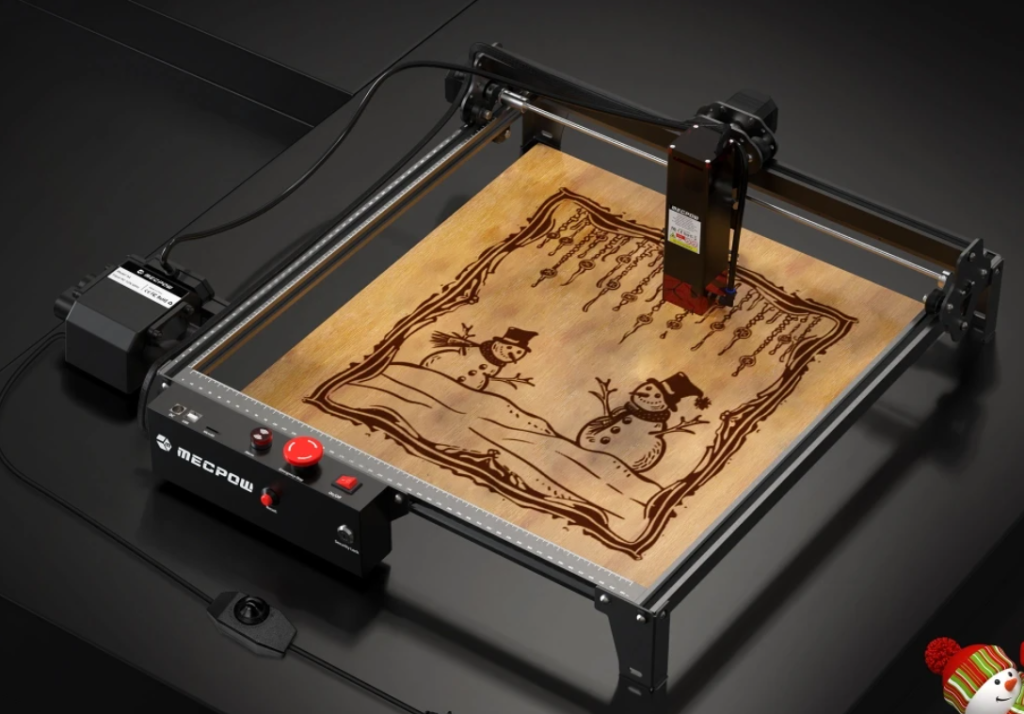
Comparison: Industrial Power vs. Hobbyist Use
Diode lasers are common in the entry-level market.
- The Intersection
Both lasers can mark metal surfaces. However, the methods differ significantly.
- The Difference
Diode Lasers usually operate at lower power (5W to 40W). They often require a chemical spray to mark metal permanently. They are slower and offer limited depth.
Fiber Lasers provide high power (20W to 100W+). They engrave directly into metal. The process is fast and precise.
- Selection Advice
Select a Diode laser for low-budget, home-based crafting. Select a Fiber laser for business production and efficiency.
Fiber Lasers vs. UV Lasers
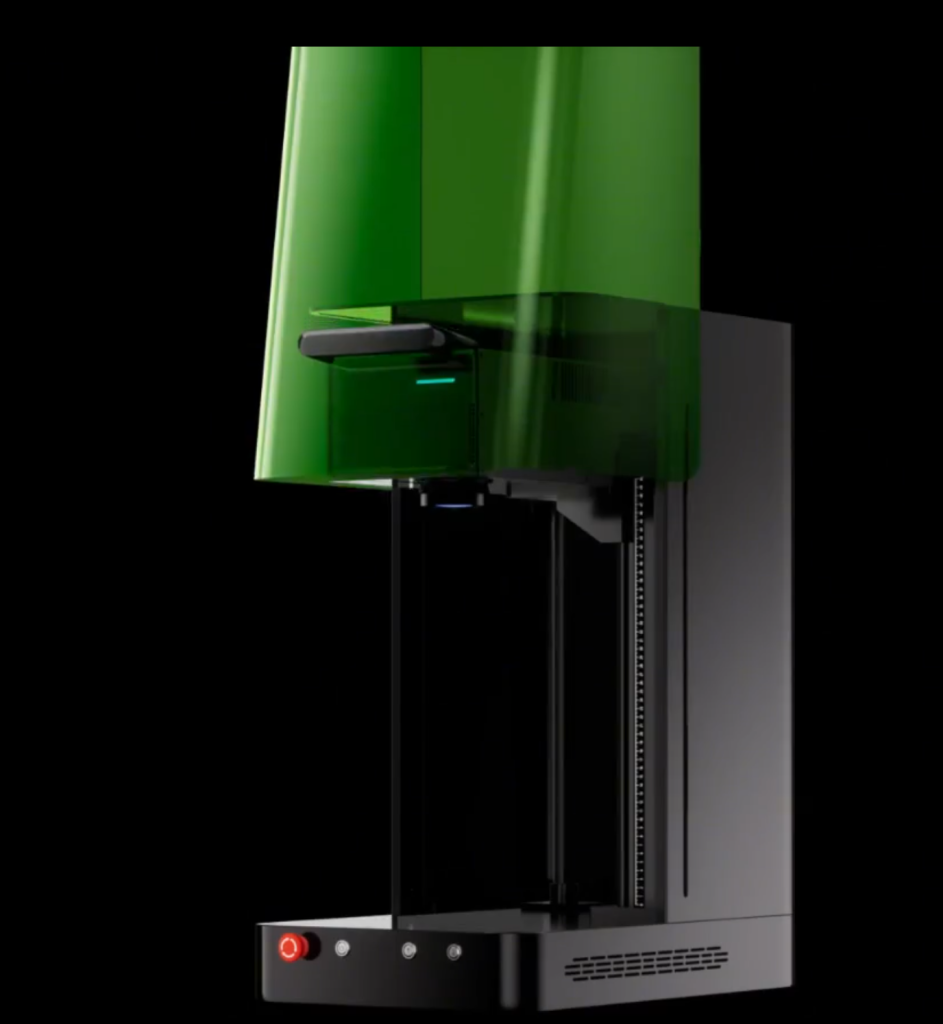
Comparison: Heat Processing vs. Cold Marking
The main difference here is how the laser interacts with the material.
- The Intersection
Both lasers offer high precision. Both can mark rigid materials like hard plastics.
- The Difference
Fiber Lasers create marks using heat. This intense heat can crack fragile materials like glass.
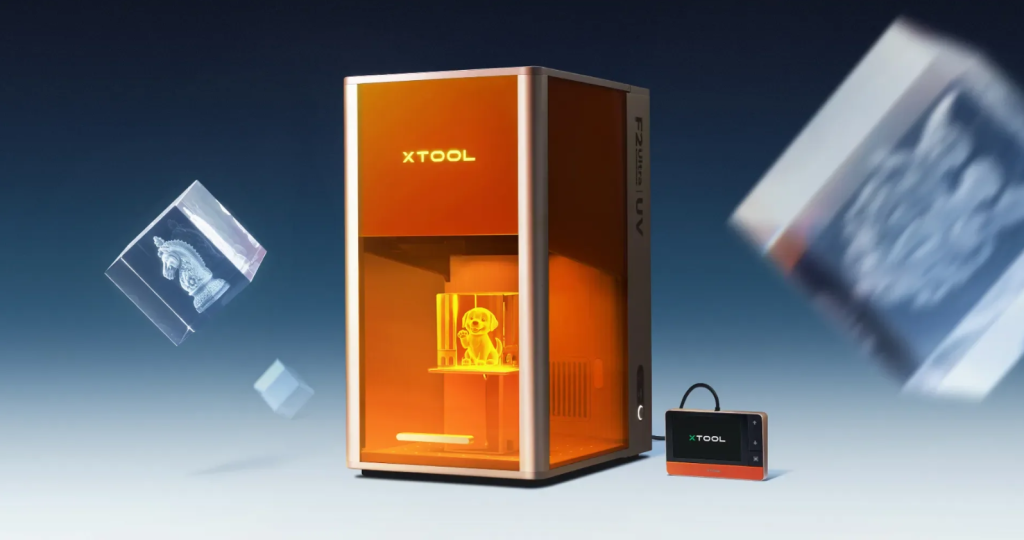
UV Lasers use a shorter wavelength. This technology breaks molecular bonds without generating high heat. Therefore, UV lasers can mark glass, crystal, and ceramics safely.
- Selection Advice
Use Fiber lasers for durable metal parts. Use UV lasers for delicate items like glassware or silicone.
Fiber Lasers vs. Near-Infrared (NIR) Lasers
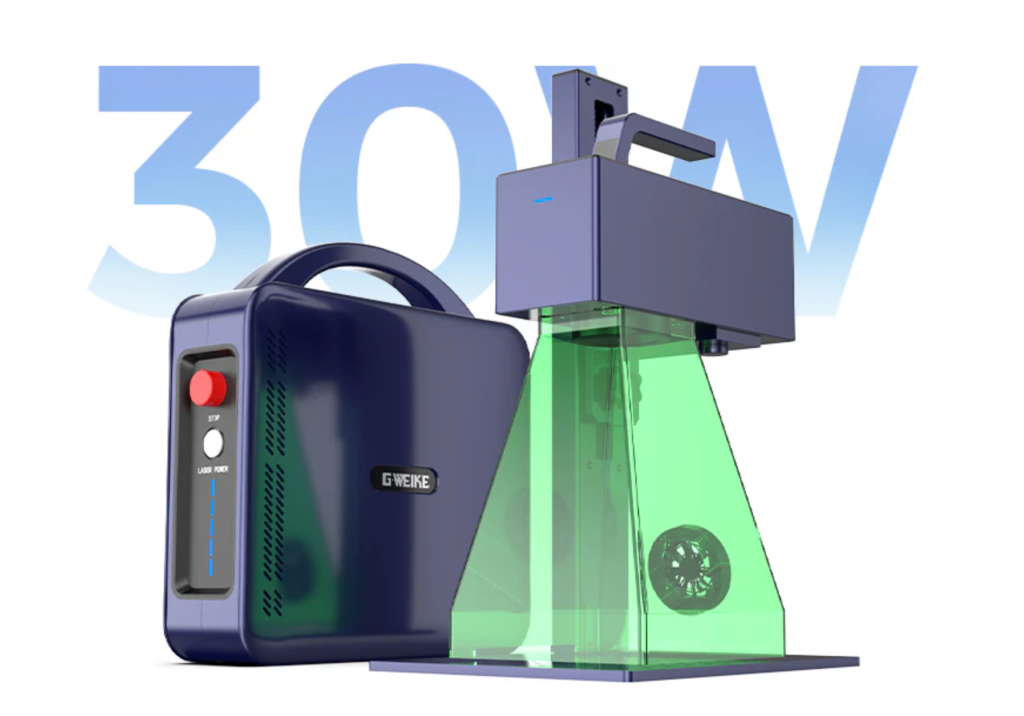
Comparison: High Power vs. Broad Application
This section clarifies technical terminology.
- The Intersection
Fiber lasers operate within the near-infrared spectrum. The standard wavelength is 1064nm.
- The Difference
Fiber Lasers utilize this wavelength for high-power cutting and engraving. They are built for industrial tasks. General NIR Lasers often refer to lower-power applications. These include medical devices, LiDAR sensors, or telecommunications.
- Selection Advice
Ensure your machine is explicitly labeled as a Fiber Laser. This guarantees it has the power required for engraving.
Summary Checklist
| Material | Recommended Laser | Primary Reason |
| Metals (Steel, Gold, Aluminum) | Fiber | Direct, deep, and permanent engraving. |
| Wood, Leather, Acrylic | CO₂ | Clean cuts and engraving on organics. |
| Glass, Ceramics | UV | Prevents breakage during marking. |
| Color on Stainless Steel | MOPA | Advanced pulse control enables color. |
| Small Crafts (Budget) | Diode | Affordable entry point for hobbyists. |
Final Recommendation
Your choice depends on your materials. Fiber Lasers are the superior choice for metalworking professionals. CO₂ and UV Lasers serve better for non-metal applications. Analyze your project requirements carefully before purchasing.
