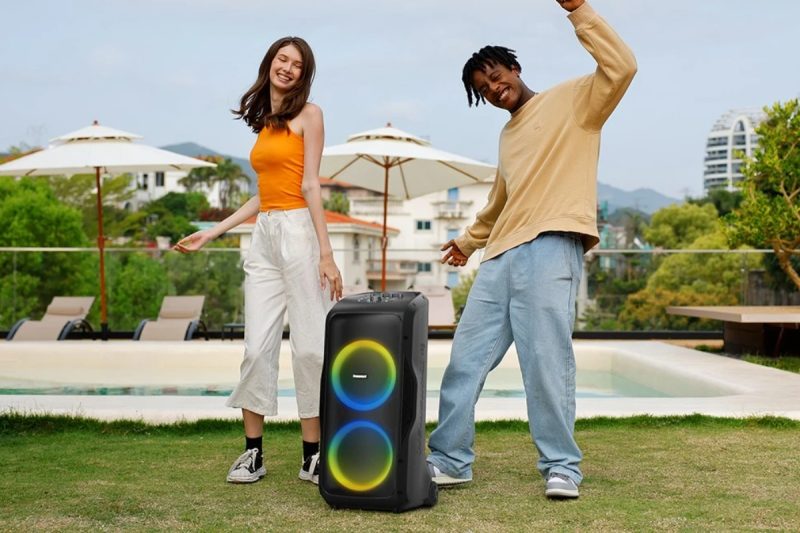
When shopping for high-quality audio, most buyers assume that a premium price tag guarantees a “do-it-all” device. However, the reality of acoustic engineering is that indoor vs outdoor sound requirements are fundamentally at odds. A speaker designed to provide a rich, intimate experience in a studio apartment will often sound thin and fragile at a backyard BBQ. Conversely, a rugged powerhouse tuned to cut through wind can sound aggressive and muddy when placed against a living room wall.
Understanding these design trade-offs is the difference between buying a versatile tool and a frustrating compromise.
The Acoustic Conflict: Tuning for Walls vs. Tuning for the Void
The primary difference between indoor and outdoor speakers lies in how they interact with their environment.
- Indoor Tuning (The Near-Field Focus): Inside a room, sound waves reflect off walls, ceilings, and floors—a phenomenon known as boundary gain. This naturally boosts bass frequencies. Engineers tune indoor speakers with a “flatter” response, knowing the room will fill in the low end. If you take this speaker outside, that “missing” bass disappears into the open air, leaving the music sounding tinny.
- Outdoor Projection (The Far-Field Focus): Outdoors, there are no walls to bounce sound back to your ears. To compensate for bass roll-off in open spaces, outdoor speakers are often tuned with a massive “vocal hump” and boosted lower-mids. Inside a small room, this same tuning sounds “boomy” or “boxy” because the room’s natural acoustics over-amplify those already-boosted frequencies.
Real-World Usage: The Apartment vs. The Elements
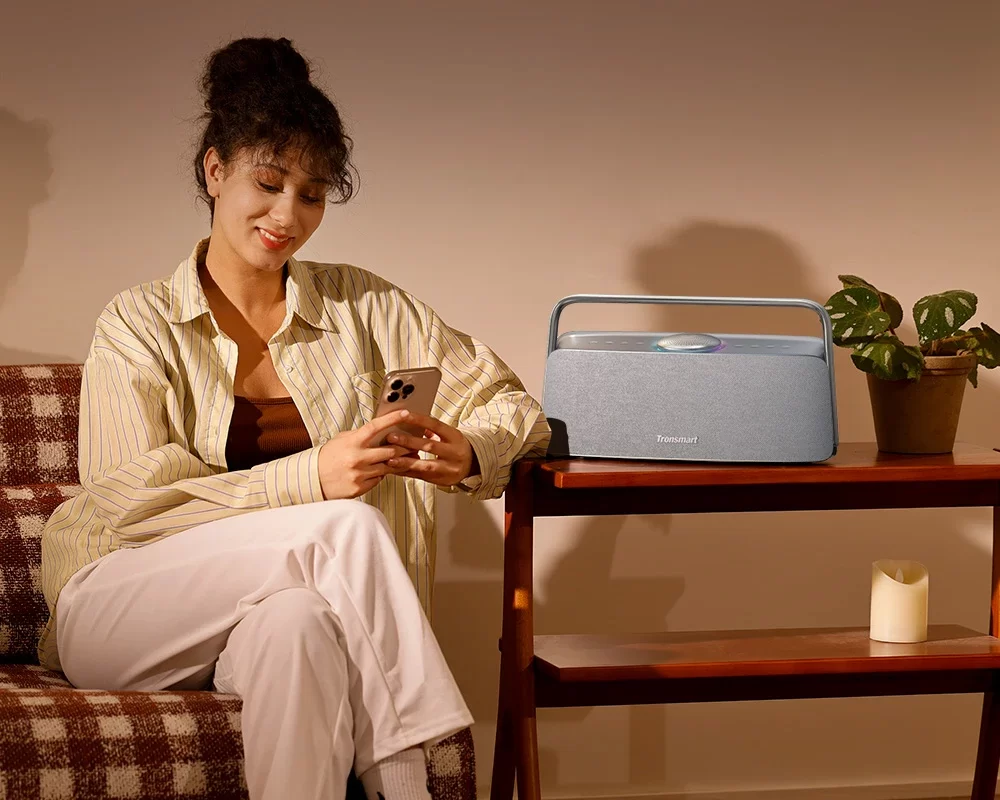
The Indoor Struggle: Managing Bass Leakage
For apartment dwellers, the goal is high-fidelity sound with low bass leakage.
- Acoustic Solution: Modern indoor speakers use sophisticated Digital Signal Processing (DSP) to maintain clarity at low volumes. They often utilize smaller, high-excursion drivers and passive radiators that provide “tight” bass which stays within the room rather than vibrating through shared walls.
- The Conflict: These speakers lack the Sound Pressure Level (SPL) headroom needed to overcome ambient noise like wind or group chatter.
The Outdoor Struggle: Fighting the Noise Floor
Outdoors, your speaker is competing with a high “noise floor” (cars, wind, splashing water).
- Acoustic Solution: Outdoor speakers prioritize environmental noise masking. This requires larger driver sizes and horn-loaded tweeters to increase “throw”—the distance sound travels before losing energy.
- The Conflict: To achieve this, manufacturers often sacrifice the delicate high-end detail that an audiophile would want during a quiet evening of critical listening.
Decision Guide: How to Filter Your Needs
To avoid buyer’s remorse, use this self-filtering logic to determine where your 80% of usage lies.
| Feature Priority | Indoor-Optimized Speaker | Outdoor-Optimized Speaker |
|---|---|---|
| Primary Space | Small rooms, apartments, bookshelves. | Patios, parks, beach, or poolside. |
| Listening Style | Near-field (within 5–10 feet). | Far-field (crowd coverage, 15+ feet). |
| Acoustic Need | High-end detail and mid-range warmth. | Maximum SPL and mid-range “cut.” |
| Critical Spec | DSP for low-volume richness. | High battery capacity & IPX7+ rating. |
The Decision Tree: Should You Buy One or Two?
- The “One-Device” Hybrid: If you truly need one speaker for both, look for a device with switchable EQ profiles. Some flagship models use an onboard accelerometer or “Outdoor Mode” button to shift the DSP tuning, artificially cutting the bass indoors and boosting it outdoors to mimic different environments.
- The Dual-Speaker Strategy: If you spend 50% of your time in a shared-wall apartment and 50% hosting outdoor events, a single hybrid will likely fail you. You are often better served by a dedicated, AC-powered “bookshelf” style Bluetooth speaker for the home and a secondary, ruggedized “boombox” for travel.
Final Verdict
Don’t be swayed by “peak wattage” marketing. An outdoor speaker’s durability and loudness are its strengths, but those same traits make it a poor companion for a quiet bedroom. Identify your primary listening boundary first; the physics of sound will handle the rest.
