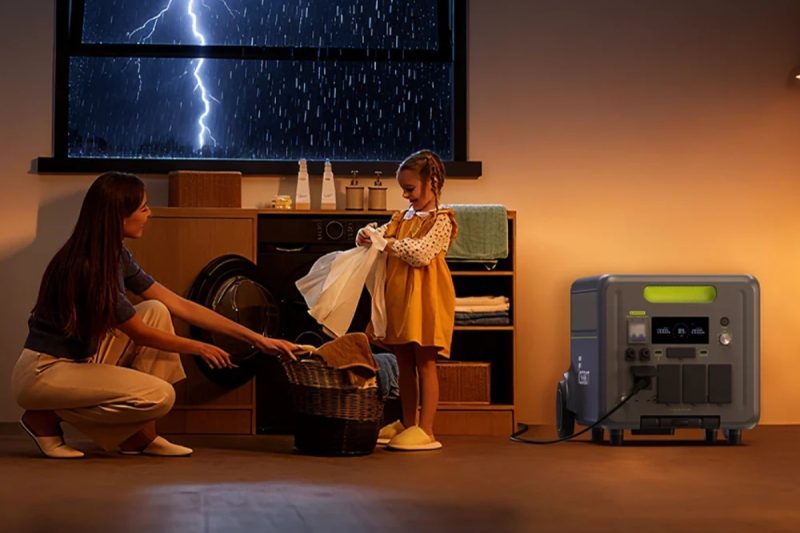
The 2025/2026 winter season brings a renewed focus on energy resilience across Europe. While the immediate panic of past energy crises has subsided, the reality of grid instability remains a tangible concern. For many European households, securing a reliable portable power station for winter preparedness is no longer a luxury—it is the deciding factor between freezing in the dark and staying safe during a long outage.
The New Normal: Assessing European Winter Grid Risks
The European power grid is one of the most interconnected in the world, but it is not immune to failure. The ENTSO-E Winter Outlook 2025-2026 highlights that while general preparedness is high, specific regions face elevated risks due to a combination of weather patterns and infrastructure constraints.
- The “Dunkelflaute” Risk: As Europe transitions heavily to renewable energy, we face periods known as Dunkelflaute (dark doldrums)—days with little wind and no sun. If a major winter storm hits during these periods, the grid loses its renewable buffer, putting immense strain on interconnectors.
- Regional Fragility: The Baltic states (Estonia, Latvia, Lithuania) and island nations like Ireland and Malta are identified as having higher risks of localized shortages this winter due to limited interconnection capacity.
- Storm-Induced Damage: Beyond supply shortages, physical infrastructure damage from increasingly severe winter storms is the leading cause of outages. In 2024, storms in Northern France and Germany left thousands without power for 48+ hours—long enough for modern homes to freeze and communication to fail.
For households building a power outage kit in Europe, acknowledging these risks is the first step toward security.
Safety First: Why Portable Power Stations Beat Gas Generators
For decades, the standard advice for emergency power was to buy a gas or diesel generator. However, for the average European urban resident, this solution is not just impractical—it is dangerous.
The Indoor Advantage
You cannot run a gas generator indoors, on a balcony, or near an open window. Carbon Monoxide (CO) is colorless, odorless, and lethal. In an apartment block or a terraced house, using a gas generator creates a severe health hazard for you and your neighbors.
Noise Pollution
A standard gas generator runs at 60-70 dB (the volume of a vacuum cleaner). In dense European cities, this attracts unwanted attention and violates noise ordinances.
The Battery Solution
A portable power station creates zero emissions and zero noise. It is the only safe emergency backup power solution that can be placed next to your bed to run a CPAP machine or under your desk to power a router while you wait out the storm.
The “Survival Calculation”: What Can 1000Wh Actually Power?
A common mistake is buying a battery based on price rather than capacity, measured in Watt-hours (Wh). To understand if a station fits your needs, you must calculate the specific runtime for your essential devices.
Note: Inverters are not 100% efficient. We use a standard 85% efficiency rate for these calculations (Capacity × 0.85 = Usable Energy).
Scenario: The “Warm & Connected” 1000Wh Station
The following assumes a standard 1000Wh portable power station (approx. €700–€900 range).
| Device | Avg. Wattage | Runtime Calculation | Real-World Expectation |
|---|---|---|---|
| Wi-Fi Router | 10W | (1000 × 0.85)/10 | 85 Hours (3.5 Days of internet) |
| CPAP Machine | 40W | (1000 × 0.85)/40 | 21 Hours (3 Nights of safe sleep*) |
| Electric Blanket | 60W | (1000 × 0.85)/60 | 14 Hours (2 Nights of heavy use) |
| Smartphone | 12Wh (batt) | (1000 × 0.85)/12 | 70+ Recharges |
*Note: CPAP runtime assumes the humidifier is turned OFF. With the humidifier on, power consumption spikes, reducing runtime by up to 50%.
The Verdict: A 1000Wh station is sufficient to keep a household informed (router/phones) and safe (medical/warmth) for a 48-hour blackout, provided you prioritize essentials and avoid high-draw appliances like kettles or heaters.
Chemistry Matters: LiFePO4 vs. NCM for Winter Prep
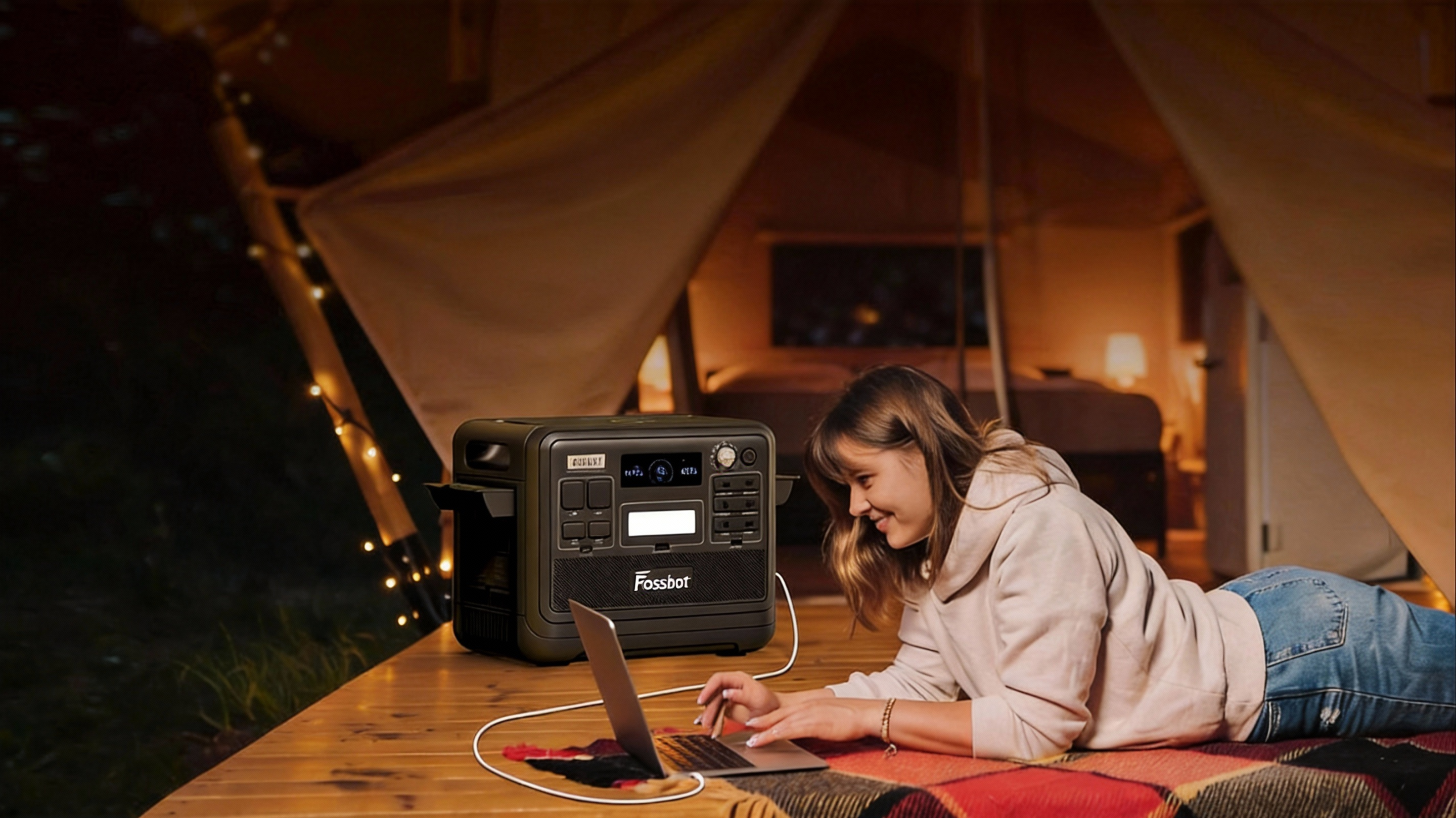
When choosing a station for portable power station winter usage, the battery chemistry is the most critical specification. You should prioritize LiFePO4 (Lithium Iron Phosphate) over older NCM (Nickel Cobalt Manganese) lithium batteries for two reasons:
Safety & Longevity
LiFePO4 is chemically stable and extremely difficult to ignite, making it significantly safer for indoor storage. It also offers 3000+ charge cycles compared to just 500-800 for NCM. This means your emergency investment will last for 10+ years rather than degrading after a few seasons.
The “Cold Weather” Rule
Batteries react to cold, and understanding the limitations is vital for winter prep:
- Discharging (Using power): You CAN use the battery to power devices in freezing temps (down to -20°C).
- Charging (Storing power): You CANNOT charge the battery below 0°C without damaging the cells.
- The Strategy: Since the unit produces no fumes, keep it inside your insulated home. If you must recharge it via solar panels on a freezing balcony, bring the unit inside to warm up to room temperature before plugging in the solar input.
A Quick Pre-Purchase Checklist
Before you make a purchase, verify these three specs to ensure the unit is truly disaster-ready:
- Pure Sine Wave Inverter: This is mandatory for sensitive electronics like CPAP machines and laptops. Cheaper “modified sine wave” inverters can cause buzz, heat, and damage to these devices.
- Pass-Through Charging (UPS Function): This allows you to plug the station into the wall and your router into the station. If the power cuts, the station takes over instantly, keeping your internet alive without interruption.
- Solar Input Capacity: Ensure the unit can handle at least 200W of solar input. If the grid is down for several days, solar panels become your only way to recharge.
Conclusion
In 2026, a portable power station is no longer just a luxury for campers; it is a household essential for European winter preparedness. For those living in urban apartments or caring for family members dependent on medical devices, a 1000Wh LiFePO4 unit offers the ideal balance of capacity, portability, and indoor safety.
Do not wait for the storm warnings to issue your purchase. Assess your critical wattage needs today to ensure your home remains warm, connected, and safe when the grid goes down.
