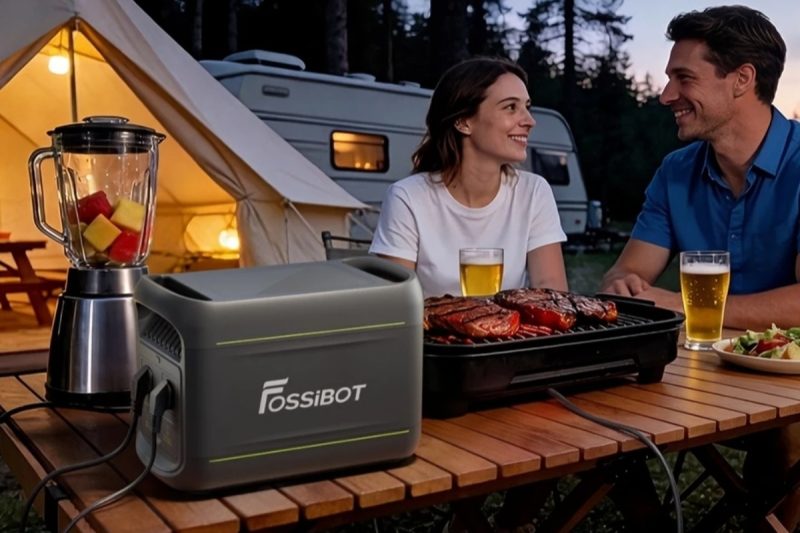
The FOSSiBOT F1800 Portable Power Station is worth it if you want a long-life LiFePO4 battery (1024Wh), high-output pure sine wave AC power (1800W), and genuinely fast wall recharging (up to 1200W). It’s best for campers, RV users, and home-backup buyers who need quick turnaround and modern USB-C laptop charging—especially at the €439 coupon price.
This FOSSiBOT F1800 Portable Power Station review breaks down what the specs mean in practical use: what a 1800W inverter realistically runs, how far 1024Wh tends to go for typical loads, and whether the fast-recharge + port selection makes sense for camping, RV life, or short home outages.
Quick Take: Should You Buy the FOSSiBOT F1800?
- Buy it if you want fast recharging (up to 1200W AC input) so you can refill during short windows at home, a campground, or a generator stop.
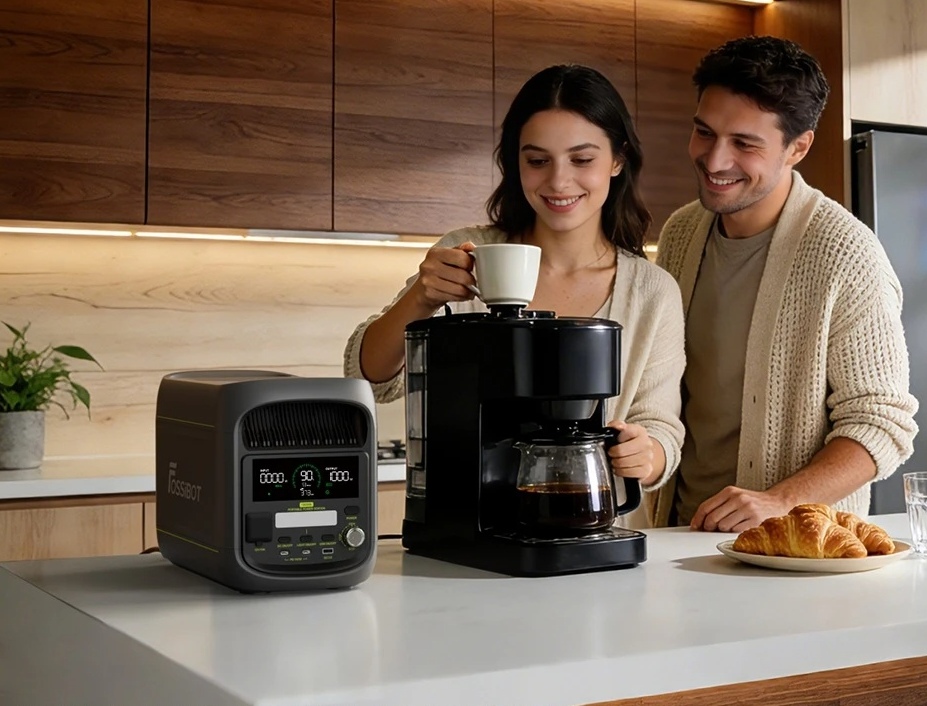
- Buy it if you need high AC output (1800W pure sine wave) for kitchen appliances, tools within reason, and sensitive electronics.
- Buy it if you rely on USB-C laptop power: dual USB-C PD ports up to 140W each are ideal for modern work and creator setups.
- Skip it if your priority is maximum runtime for multi-day fridge support—1024Wh is strong, but a 2kWh-class unit will simply last longer.
- Skip it if you want to run very high surge/heating loads continuously (large space heaters, big microwaves at full power, etc.). 1800W is substantial, but not “whole-kitchen” unlimited.
- Skip it if your solar setup is already >500W and you want to use all of it—this model’s solar input tops out at 500W.
What the 1800W Pure Sine Wave Inverter Changes (and What It Doesn’t)
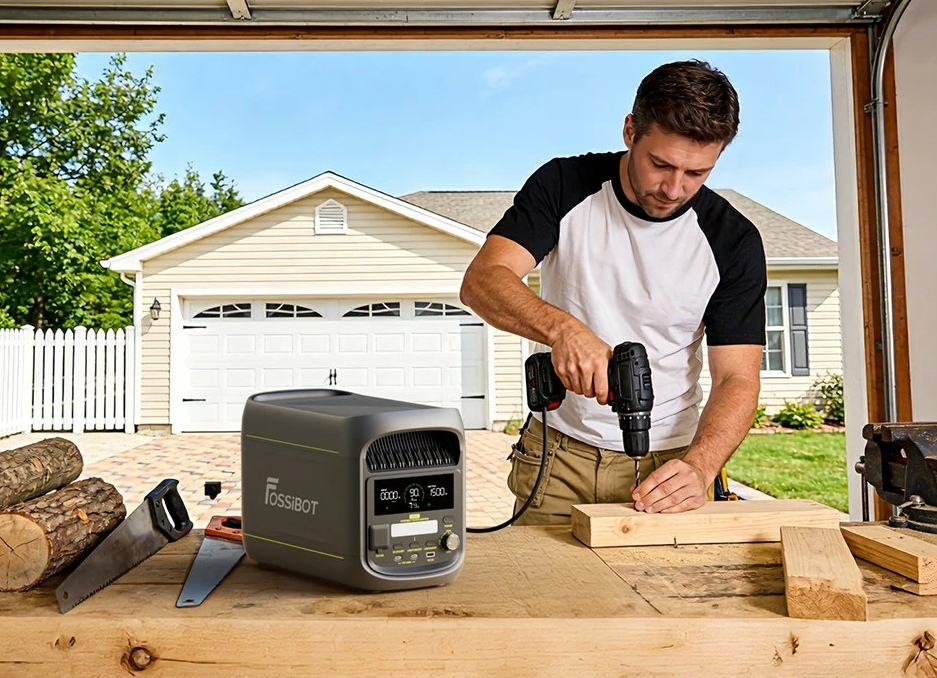
The F1800’s 1800W-rated AC output is the headline feature because it moves you beyond “phone-and-laptop only” into the zone where real appliances become realistic. In practical use, this is the difference between merely charging devices and actually supporting camp cooking, small tools, and home essentials during an outage.
In our experience, the simplest way to think about 1800W is: most single appliances under that limit are fair game, but you still need to watch combinations. For example, a laptop + router + lights is easy, but adding a high-wattage kettle at the same time could push you toward the ceiling. The pure sine wave output is also important for sensitive electronics because it’s designed to deliver cleaner power than modified sine wave designs.
The F1800 is also positioned for safety with overload and short-circuit protection. That doesn’t mean you can ignore power draw, but it does add reassurance when you’re running mixed loads in a campsite or during a stressful outage window.
1024Wh in Real Life: The Runtime You Should Expect (Without Overcomplicating It)
A 1024Wh battery is a very practical “middle class” capacity: it’s big enough to feel like genuine backup, yet still portable enough for many car-camping and RV use cases.
Testing-style reality check: any power station loses some energy to conversion (DC battery to AC inverter), and some devices have spikes at startup. So you rarely get a perfect “1024Wh delivered to your appliance.” Instead, you’ll generally get “enough” for common needs like:
- Overnight essentials: CPAP devices (especially without heated humidifiers), routers, phones, and lights.
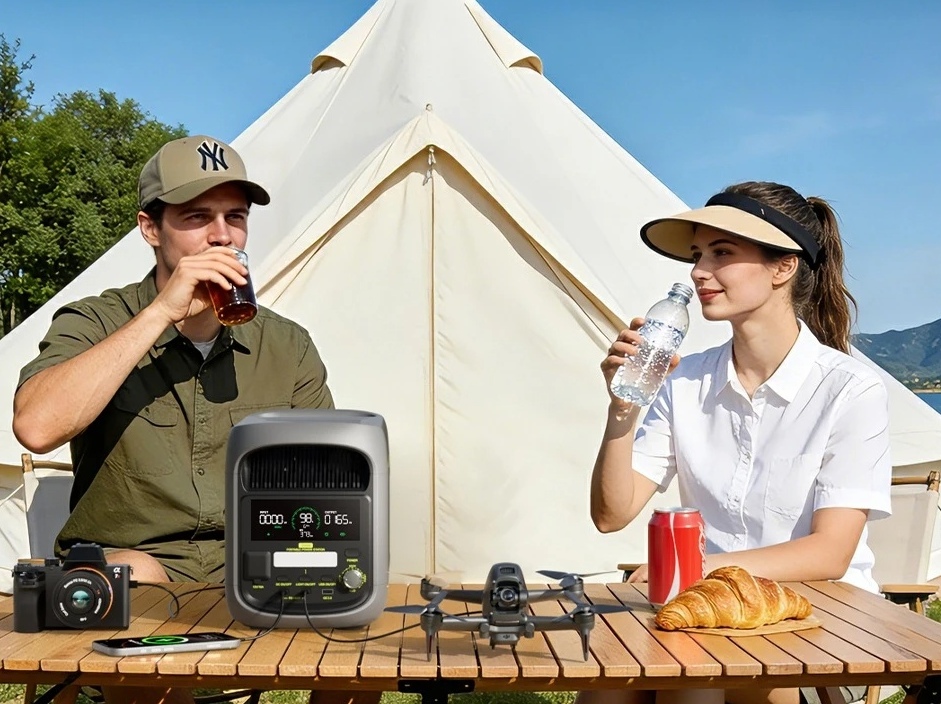
- Work-from-anywhere: laptops, monitors (depending on size), cameras, and small peripherals—especially via USB-C instead of AC.
- Short appliance use: boiling water, blending, or quick cooking tasks—best done one at a time.
If your goal is continuous refrigeration for long outages, 1024Wh can help, but it’s the kind of setup where recharging strategy (fast AC input or solar) matters as much as raw capacity.
Deal Check: Get the FOSSiBOT F1800 for €439 (Coupon Inside)
If you’re already leaning toward the F1800, the current value becomes much more compelling when you combine the listed deal price with the coupon code.
- Price: €439.00
- Coupon: AALZVNPS
Check Latest Price & Claim Coupon
Fast Recharging: Why the F1800 Feels “Premium” in Daily Use
Capacity tells you how long you can run; charging speed tells you how quickly you can get back in the game. The FOSSiBOT F1800 supports up to 1200W AC input, with the manufacturer stating up to 80% in 45 minutes and a full charge in about 1.1 hours. When you’re living out of a vehicle, dealing with unpredictable weather, or planning around brief access to mains/generator power, this is a major quality-of-life win.
For off-grid recharging, it also supports MPPT solar input with a stated range of 11.5–60V, up to 15A, and up to 500W maximum solar input. The brand also suggests around ~2 hours to full on 500W solar in ideal conditions. In real use, solar results depend heavily on panel angle, sun strength, and temperature—but having MPPT plus a solid input ceiling is what makes a 1kWh unit truly usable day after day.
It also supports car and generator charging, which matters for RV users who prefer redundancy rather than betting everything on one charging method.
Ports in 2026 That Actually Matter: Dual 140W USB-C for Modern Laptops
Many power stations look similar until you count the ports that match how people work and travel now. The F1800’s standout is dual USB-C PD (up to 140W each), which is especially relevant for newer USB-C laptops and creator gear that can legitimately draw high wattage.
On top of that, you get:
- USB-A QC 3.0 up to 18W for phones and accessories
- 12V car output (12V/10A) for DC gear
In practical use, powering a laptop via USB-C instead of AC is often more efficient, which helps stretch your effective runtime—one of the simplest “hidden wins” with a port-forward design like this.
UPS + Low Noise: A Better Fit for Routers, CPAP, and Overnight Indoor Backup
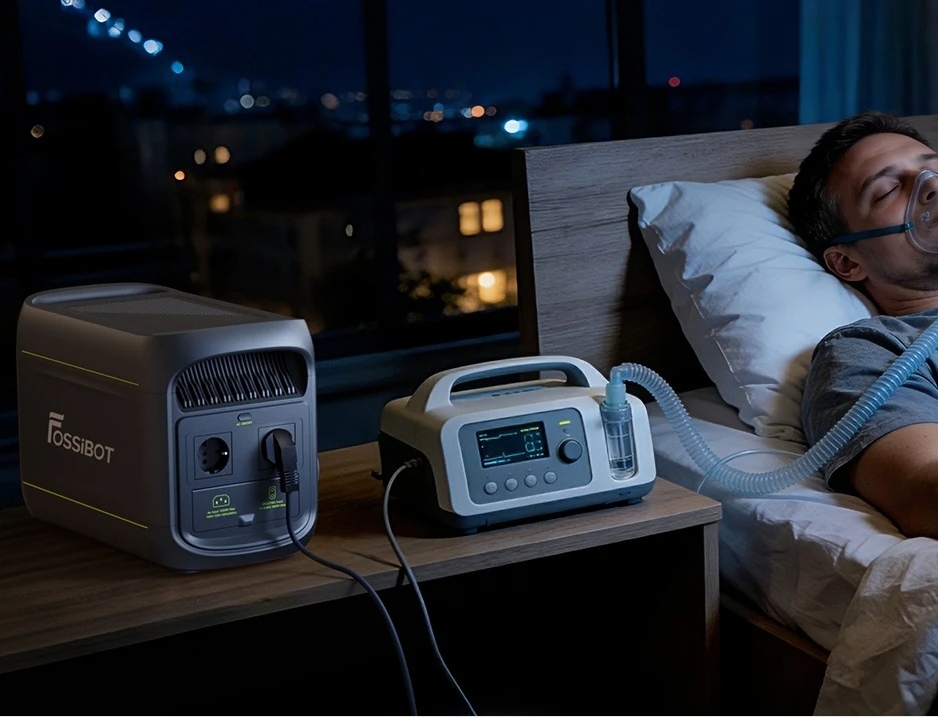
The F1800 is positioned as a backup-friendly option with a manufacturer-rated <10ms UPS switch time. That can matter for devices like routers, computers, or CPAP use, where you want minimal interruption during an outage.
It’s also marketed as quiet at around ~30 dB (manufacturer-rated). In a real home setting, “quiet enough to sleep” depends on where you place the unit and whether fans ramp under load, but the intent is clear: this is not meant to sound like a construction tool when you’re trying to rest.
LiFePO4 Longevity + 5-Year Warranty: Lower Ownership Risk Over Time
For many buyers, the real cost of a power station isn’t the checkout price—it’s whether the battery holds up after frequent weekend trips, daily van life usage, or repeated outages. The FOSSiBOT F1800 uses LiFePO4 cells rated for over 4,000 cycles and includes a 5-year warranty.
Why that matters: LiFePO4 chemistry is widely chosen for longevity and stability, and pairing it with a longer warranty helps reduce the “what if the battery fades early?” anxiety—especially if you’re buying this as a preparedness tool rather than an occasional gadget.
Comparison Table: FOSSiBOT F1800 vs a “Standard” 1kWh Alternative
| Spec | FOSSiBOT F1800 | Standard 1kWh LiFePO4 Alternative |
|---|---|---|
| Battery capacity | 1024Wh | ~1000Wh class |
| AC inverter output | 1800W pure sine wave | ~1000W (typical midrange) |
| AC input charging | Up to 1200W | ~300–700W (common) |
| USB-C laptop charging | USB-C PD 140W ×2 | Often 60–100W (sometimes single port) |
| Solar input | MPPT, 11.5–60V, 15A, up to 500W | Often 200–400W |
Who Should Buy the FOSSiBOT F1800 (and Who Should Go Bigger or Smaller)
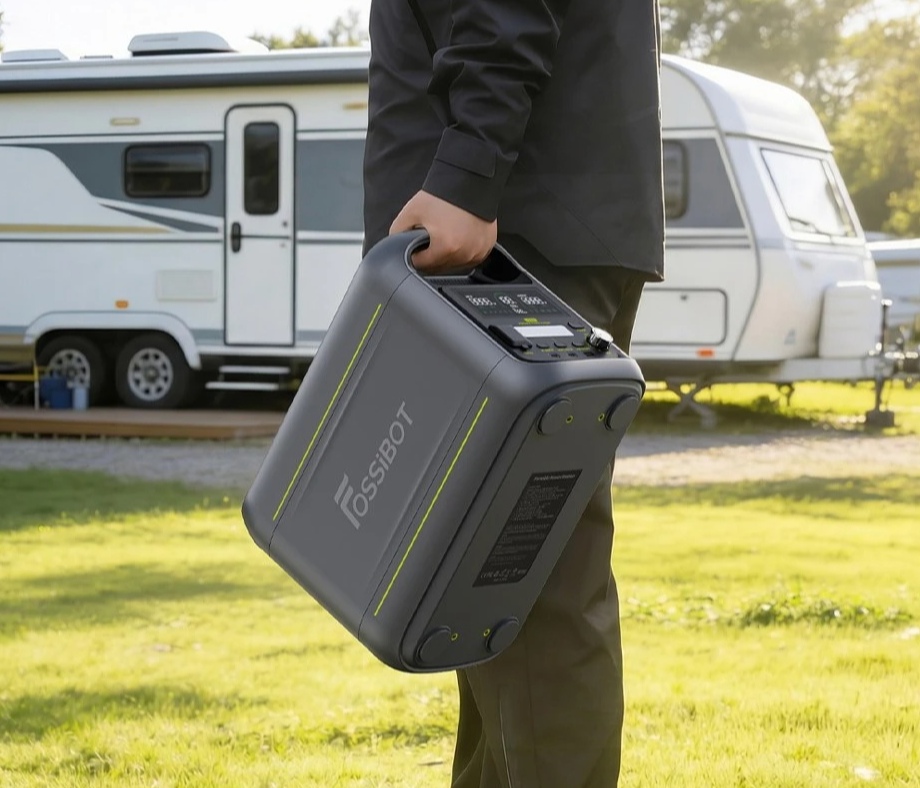
The F1800 makes the most sense if you want a balanced system: enough battery to matter, enough AC output to run real appliances, and recharge speed that keeps the whole setup practical instead of frustrating.
Buy the FOSSiBOT F1800 if you’re:
- Camping or overlanding, and want to run cooking appliances occasionally, plus keep all devices topped up
- In an RV where you’ll recharge quickly when hookups are available
- Building a home-backup kit for internet, work devices, and short appliance needs—with UPS-style continuity as a bonus
- A USB-C-heavy user (modern laptops, creator gear) who benefits from dual 140W ports
Consider a larger (2kWh+) power station if you’re:
- Trying to run a fridge/freezer during extended outages with minimal recharging opportunity
- Powering multiple high-watt appliances repeatedly throughout the day
Consider a smaller (300–600Wh) unit if you’re:
- Mainly charging phones, tablets, cameras, and a laptop for short trips
- Prioritizing ultra-light portability over high-output AC use
Final Verdict: Is the FOSSiBOT F1800 Worth It?
If you want a 1kWh-class power station that behaves like a higher-end model thanks to fast 1200W AC input, strong 1800W pure sine output, and genuinely modern USB-C charging, the FOSSiBOT F1800 is an easy recommendation at the current coupon price. The biggest limitation is simple: 1024Wh is not “multi-day everything,” so buyers planning long refrigeration runtimes should size up—or commit to a solid solar/charging plan.
Get the Deal: €439 with Coupon AALZVNPS
Pricing moves fast on portable power stations. If the €439 price is live in your region, it’s a strong time to lock it in—especially if fast charging and 1800W AC output are the reasons you’re shopping this class.
- Deal price: €439.00
- Coupon code: AALZVNPS
View Deal & Claim Your Discount
