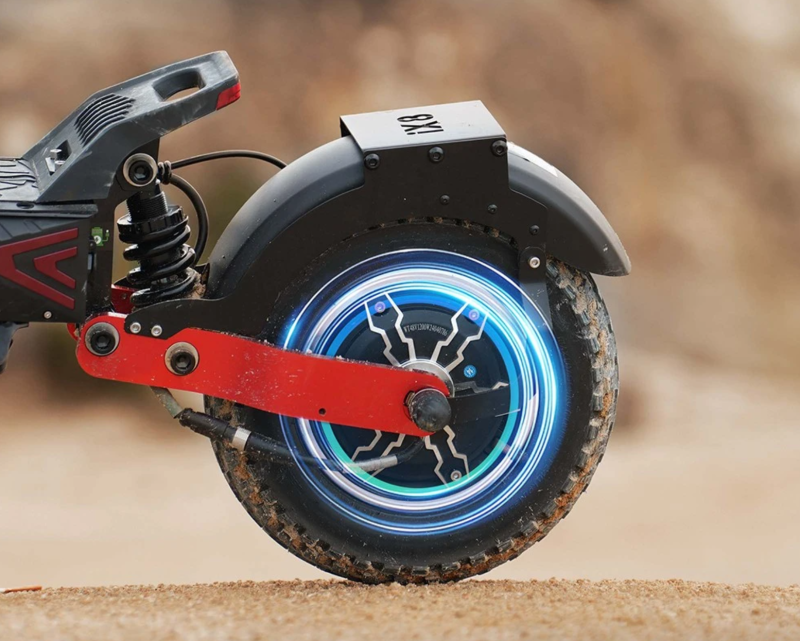
Ya sea un scooter eléctrico o una bicicleta eléctrica, El sistema de frenos es siempre el factor principal de seguridad.. Los tipos comunes de frenos disponibles en el mercado incluyen:
- Freno de disco hidráulico
- Freno de disco mecánico
- Freno de tambor
- Freno electrónico (E-ABS)
Se diferencian en estructura., sentir, distancia de frenado, y dificultad de mantenimiento. Entonces, ¿Qué tipo de freno es el más seguro?? ¿Y qué tan significativas son las diferencias??
Hidráulico Desct Frenos – El pináculo del rendimiento, los frenos más potentes
Principio de trabajo
El sistema de frenos utiliza aceite hidráulico para empujar un pistón que sujeta las pastillas de freno., lo que resulta en una eficiencia de transmisión de fuerza extremadamente alta.
Ventajas
- Fuerza de frenado más fuerte y lineal (frena rápidamente con una fuerza mínima)
- Sensación de frenado cómoda y sensible
- No se desvanecen los frenos en largas secciones cuesta abajo, excelente disipación de calor
- Control preciso, menos propenso a bloquearse los neumáticos
- Más adecuado para scooters eléctricos de alta velocidad o alta potencia.
Desventajas
- Precio alto
- Requiere mantenimiento regular del sistema hidráulico. (sangrado y cambios de aceite)
- Puede dañar las líneas hidráulicas en caso de choques violentos.
Escenarios adecuados
✔ Paseos de alta velocidad
✔ Scooters eléctricos/bicicletas de montaña de alta potencia.
✔ Para ciclistas que buscan el máximo rendimiento de frenado
Frenos de disco mecánicos – La opción convencional más rentable
Principio de trabajo
La fricción se genera mediante un cable de acero que tira de un brazo de freno para sujetar el disco de freno..
Ventajas
- Fuerte fuerza de frenado, superado solo por los frenos hidráulicos
- Estructura simple y bajo costo de mantenimiento.
- Reemplazo rápido y económico de las pastillas de freno
- Fácil de ajustar para los usuarios domésticos
Desventajas
- El cable de freno tiende a estirarse y requiere apretarse
- El rendimiento disminuye ligeramente en tiempo lluvioso
- La sensación no es tan suave como la de los frenos hidráulicos.
Escenarios adecuados
✔ Patinetes eléctricos de gama media y alta
✔ Viajes diarios y paseos de ocio
✔ Usuarios que valoran el rendimiento pero tienen un presupuesto limitado
Frenos de tambor – Durable y confiable, pero con fuerza de frenado limitada.
Principio de trabajo
El frenado se logra mediante la expansión de los bloques de fricción contra la pared del tambor dentro de la cavidad cerrada del tambor..
Ventajas
- Diseño cerrado, resistente a la suciedad y la lluvia
- Casi sin mantenimiento, ideal para viajar
- Frenado suave, menos propenso a bloquearse
- Larga vida útil
Desventajas
- Fuerza de frenado más débil que los frenos de disco y los frenos hidráulicos.
- Mala disipación del calor, Los frenos se debilitan en largos tramos cuesta abajo.
- Distancia de parada relativamente larga
Escenarios adecuados
✔ Desplazamientos urbanos a baja velocidad
✔ Patinetes eléctricos de gama básica. / scooters compartidos
Frenos electrónicos (E-ABS) – La opción más ligera, pero no se puede utilizar como freno principal.
Principio de trabajo
Velocidad La reducción se logra mediante la fuerza electromagnética inversa del motor. (similar a la recuperación de energía), sin absolutamente ninguna fricción mecánica.
Ventajas
Respuesta rápida
Peso más ligero
Mantenimiento cero
Puede recuperar una pequeña cantidad de energía eléctrica. (muy poco, pero un poco útil)
Desventajas
Fuerza de frenado débil, incapaz de ser el freno principal en una frenada de emergencia
Completamente ineficaz cuando no hay energía
Sensación de desaceleración suave, notable sensación de arrastre
Los frenos electrónicos sólo se pueden utilizar como “frenos auxiliares”.,” no como freno principal.
Escenarios adecuados
✔ Conducción urbana a baja velocidad
✔ Se utiliza junto con frenos de tambor o frenos de disco.
✔ Aquellos que desean un método de desaceleración más suave y sin esfuerzo.
Comparación de tres sistemas de frenado
| Tipo de freno | Fuerza de frenado | Estabilidad | Actuación en día lluvioso | Mantenimiento | Sensación de freno | ¿Es seguro conducir a alta velocidad?? |
|---|---|---|---|---|---|---|
| Freno hidráulico | ⭐⭐⭐⭐⭐ | ⭐⭐⭐⭐⭐ | ⭐⭐⭐⭐ | ⭐⭐ | Más suave | ✔ Más seguro |
| Freno de disco | ⭐⭐⭐⭐ | ⭐⭐⭐⭐ | ⭐⭐⭐ | ⭐⭐⭐ | Lineal | ✔ |
| Freno de tambor | ⭐⭐⭐ | ⭐⭐⭐⭐ | ⭐⭐⭐⭐ | ⭐⭐⭐⭐⭐ | Suave | △ Velocidad media disponible |
| Freno electrónico | ⭐⭐ | ⭐⭐ | ⭐⭐ | ⭐⭐⭐⭐⭐ | sensación de arrastre | ✘ No |
¿Qué tipo de freno es el más seguro??
primer lugar: Freno de disco hidráulico
Máximo rendimiento, máxima seguridad, Apto para todos los vehículos de alta velocidad y alta potencia..
→ Si tienes presupuesto suficiente, Se recomienda encarecidamente elegir frenos hidráulicos delanteros y traseros. + E-ABS.
Segundo lugar: Freno de disco mecánico (Freno de disco)
La opción pública más rentable, confiable, fácil de mantener y excelente en seguridad.
→ La configuración más recomendada: freno de disco delantero + E-ABS o frenos de disco delanteros y traseros.
tercer lugar: Freno de tambor
La potencia de frenado más media pero sin preocupaciones, adecuado para desplazamientos urbanos lentos.
→ Freno de tambor + El freno electrónico es una combinación bastante cómoda y segura. (baja velocidad).
cuarto lugar: Freno electrónico (E-ABS)
Solo se puede utilizar como freno auxiliar y no se puede utilizar como freno principal..
Mejores recomendaciones de combinación (de mayor a menor)
- Frenos hidráulicos delanteros y traseros. + frenos electronicos (nivel insignia)
- Frenos de disco dobles delanteros y traseros + frenos electronicos (rendimiento alto)
- Freno de disco delantero + freno de tambor trasero + freno electrónico (tipo equilibrado)
- Frenos de tambor delanteros y traseros + frenos electronicos (desplazamientos de nivel básico)
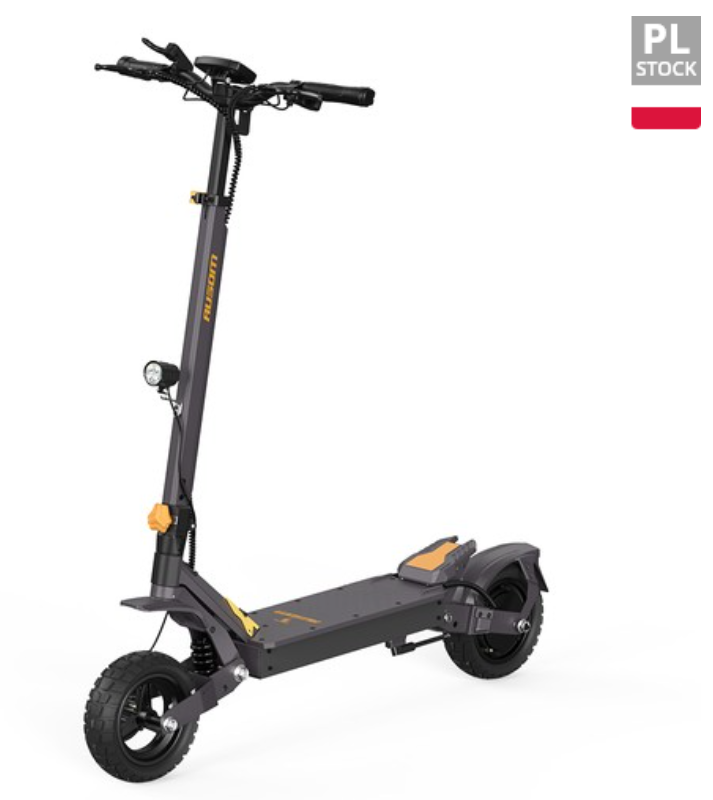
- 800W motor
- 48V 15.6AH batería
- 10 neumáticos pulgadas
- 45KM/H SCEAME MAX
- 70rango de km
- Frente & Frenos de disco trasero
- Suspensión de doble basculante
- NFC & Bloqueo con contraseña
Patinete eléctrico iScooter iX8
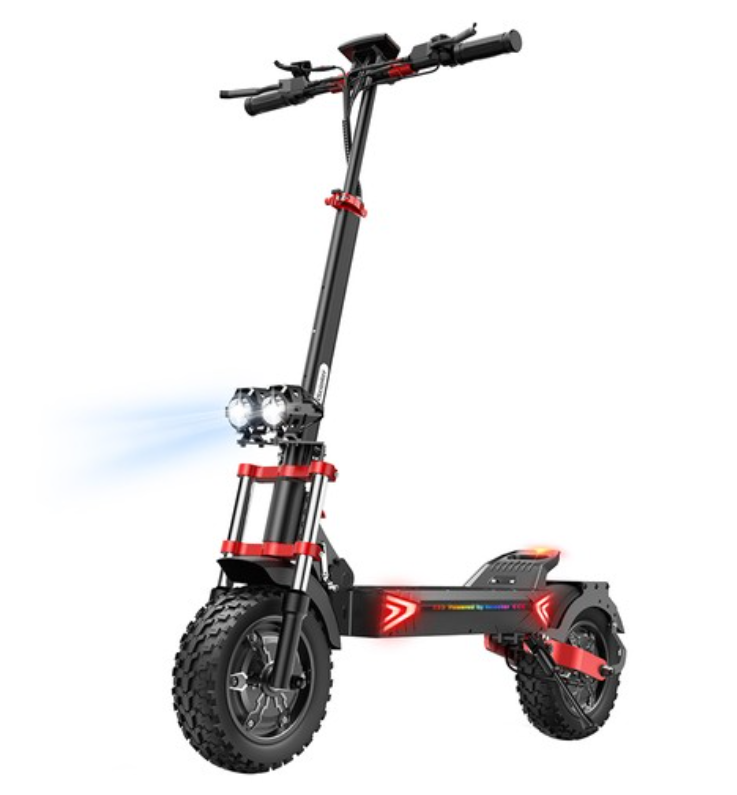
- 2*1200W motor
- 48Batería V 20AH
- 12-neumático de pulgada
- 60KM/H SCEAME MAX
- 70rango de km
- Frenos de disco hidráulicos dobles
- Frente & Suspensión trasera
Patinete eléctrico iScooter W8
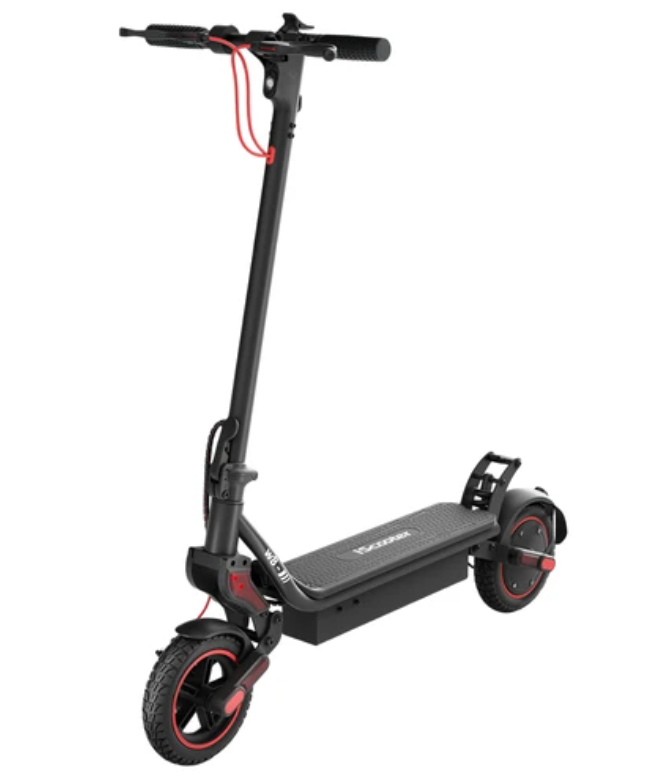
- 500W motor
- 48Batería V 10.4Ah
- 9.3-neumático de pulgada
- 40rango de km
- Freno de disco delantero+freno de tambor trasero
- Absorción de choque dual
- Girar señales, Luces traseras e iluminación ambiental
Control de la aplicación
