
Laser engraving machines possess impressive capabilities. A concentrated beam of light transforms digital designs into tangible objects. This process effectively brings creative concepts to life. However, novices often feel overwhelmed by the technology. You might plan to launch a custom business. You might simply wish to upgrade personal projects. Extensive lists of specifications can create confusion. This reaction is entirely normal. This guide aims to simplify the selection process. I examine the most popular types of laser engravers below. You can then identify the perfect machine for your specific goals.
CO₂ Laser Engravers: The Non-Metal All-Rounder

CO₂ laser engravers serve as reliable workhorses. You should consider this type for organic materials. Wood, leather, and plastic represent ideal candidates. The laser operates at a wavelength of 10,600 nanometers. This specific wavelength ensures high efficiency. The machines are cost-effective. They also display remarkable versatility. CO₂ lasers handle large cutting tasks easily. Other models often struggle with similar dimensions.
Why You Will Value This Option
- Accessibility: The price point attracts beginners.
- Capability: The power output satisfies serious projects.
- Application: You can craft personalized gifts. Custom jewelry and home decor are popular choices.
Who is it for?
Makers who want to engrave logos for small businesses or dive deep into wood and leather crafts.
Models to watch: The Atomstack Hurricane, Gweike Cloud Pro, and the Glowforge Plus are all standout examples in this category.
Fiber Laser Engravers: High Precision for Metal Lovers

If your projects involve metal—we’re talking stainless steel, aluminum, or copper—you need a Fiber laser. Unlike CO₂ machines, these utilize a wavelength of 1,064 or 1,550 nanometers, which interacts beautifully with metal surfaces. What I personally appreciate about fiber lasers is their low maintenance; you don’t have to worry about replacing fragile laser tubes, which keeps your long-term costs down.
- Why you’ll love it: The precision here is top-notch. It’s the ideal tool for fine detail work, like marking serial numbers, barcodes, or creating high-end jewelry designs.
- Who is it for? Anyone looking for commercial-grade customization or detailed metal marking.
- Models to watch: Check out the Gweike G2 PRO or the versatile Laserpecker LP5 (which cleverly combines Fiber and Diode tech).
MOPA Fiber Laser Engravers: Versatile and Precise

Meet the sophisticated cousin of the standard fiber laser: the MOPA laser. These machines offer incredible flexibility because they allow you to adjust the power output and pulse duration. This might sound technical, but in practice, it means you can handle both fine engraving and deep marking with a single machine.
- Why you’ll love it: It gives you control. You can tweak settings for different depths and even achieve high-contrast results on plastics or dense woods.
- Who is it for? Users who need high-precision metal engraving (like on titanium or stainless steel) and want to push the boundaries of detail work.
- Models to watch: The Creality T1 and xTool F2 Ultra are excellent machines that showcase this technology.
Diode Laser Engravers: Budget-Friendly and User-Friendly

If you are just dipping your toes into the water, a Diode laser is often the perfect starting point. These machines are the most cost-effective option on this list and are refreshingly simple to use. You don’t need a complex workshop setup or heavy-duty cooling systems—just plug it in and start creating.
- Why you’ll love it: It’s low-stress. While they are budget-friendly, they are still great for detailed work on wood, plastic, and leather.
- Who is it for? Hobbyists making small items like coasters, keychains, or ornaments, and anyone learning the ropes of laser engraving.
- Models to watch: The Mecpow X3 PRO, xTool D1, and the Creality Falcon Series are all fantastic, accessible choices.
UV Laser Engravers: High Precision for Hard Materials
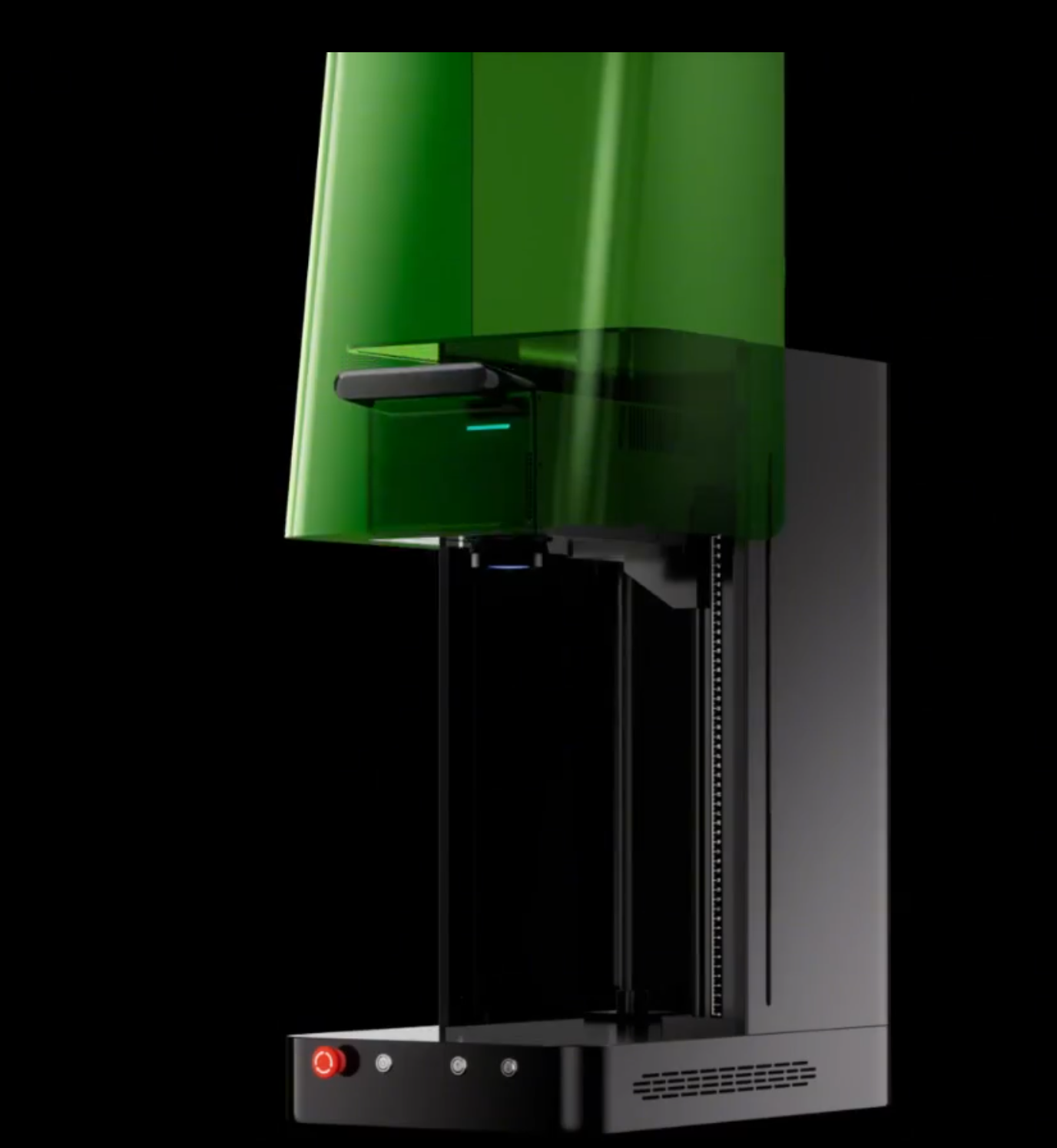
Have you ever tried to engrave glass and worried about it cracking? That’s where UV lasers come in. Using a short wavelength of 350 to 400 nanometers, these are “cold” lasers. They deliver exceptional precision without generating the intense heat that damages delicate materials.
- Why you’ll love it: It opens up new possibilities with hard materials like glass, ceramics, and even silicon chips.
- Who is it for? Creators who need to etch tiny, intricate text or logos onto fragile surfaces.
- Models to watch: The ComMarker Omni X is a prime example of what UV technology can do.
Infrared (IR) Laser Engravers: Best for Metal Marking

Finally, let’s talk about Infrared (IR) lasers. Operating at a wavelength of 700 to 1400 nanometers, these lasers excel at absorption, making them fantastic for metals like stainless steel and aluminum. They are often found in high-end setups where precision is non-negotiable.
- Why you’ll love it: It bites into tough metals cleanly, delivering high-quality, fine engravings that look professional.
- Who is it for? Those needing to customize tools and electronics.
- Models to watch: The Laserpecker L2 and the xTool S1 (equipped with its IR module) are powerful contenders here.
Conclusion
Metalwork projects require specific technology. Fiber lasers suit these tasks best. You might eventually seek greater precision. Specialized tools exist for this purpose. MOPA and UV lasers address intricate challenges effectively.
This guide aims to provide clarity. You now understand the machine capabilities. An informed decision is within reach. You are ready to create tangible objects. I wish you success in engraving.
