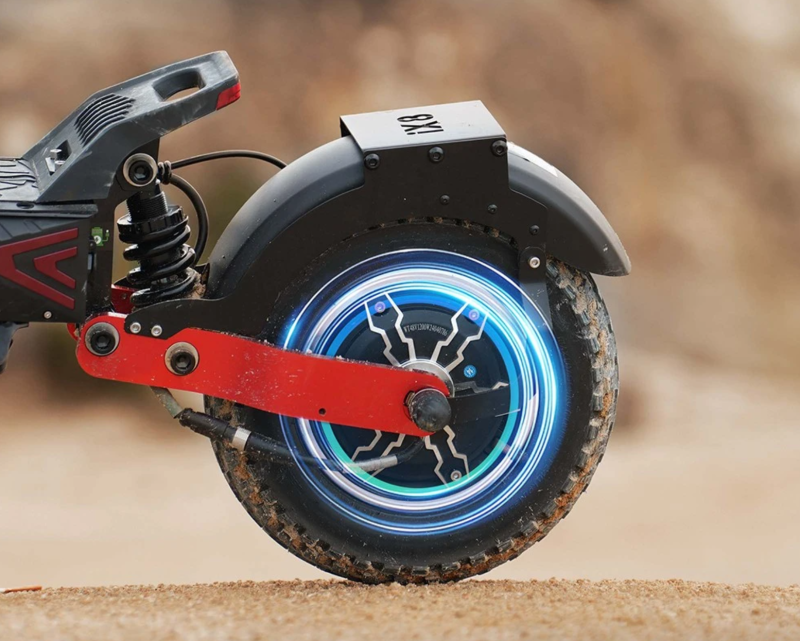
Whether it’s an electric scooter or an electric bike, the braking system is always the primary factor in safety. Common types of brakes available on the market include:
- Hydraulic Disc Brake
- Mechanical Disc Brake
- Drum Brake
- Electronic Brake (E-ABS)
They differ in structure, feel, braking distance, and maintenance difficulty. So, which type of brake is the safest? And how significant are the differences?
Hydraulic Disc Brakes – The pinnacle of performance, the most powerful brakes
Working Principle
The brake system uses hydraulic oil to push a piston that clamps the brake pads, resulting in extremely high force transmission efficiency.
Advantages
- Strongest and most linear braking force (brakes quickly with minimal force)
- Responsive and comfortable braking feel
- No brake fade on long downhill sections, excellent heat dissipation
- Precise control, less prone to tire lock-up
- More suitable for high-speed or high-powered electric scooters
Disadvantages
- High price
- Requires regular maintenance of the hydraulic system (bleeding and oil changes)
- May damage the hydraulic lines in violent crashes
Suitable Scenarios
✔ High-speed riding
✔ High-powered electric scooters/mountain bikes
✔ For riders seeking the ultimate braking performance
Mechanical Disc Brakes – The most cost-effective mainstream choice
Working Principle
Friction is generated by a steel cable pulling a brake arm to clamp the brake disc.
Advantages
- Strong braking force, second only to hydraulic brakes
- Simple structure and low maintenance cost
- Inexpensive and quick brake pad replacement
- Easy for home users to adjust themselves
Disadvantages
- Brake cable tends to stretch and requires tightening
- Performance slightly decreases in rainy weather
- Feel is not as smooth as hydraulic brakes
Suitable Scenarios
✔ Mid-to-high-end electric scooters
✔ Commuting and leisure riding
✔ Users who value performance but have a limited budget
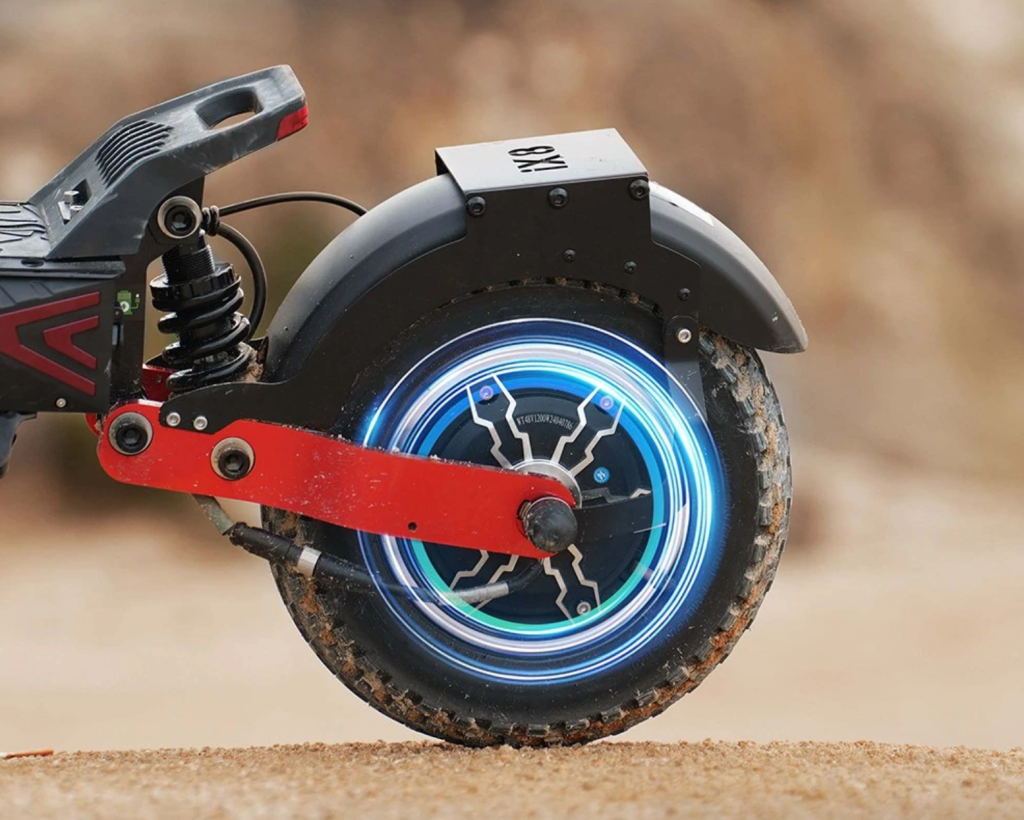
Drum Brakes – Durable and reliable, but with limited braking force.
Working Principle
Braking is achieved by the expansion of friction blocks against the drum wall within the enclosed drum cavity.
Advantages
- Enclosed design, resistant to dirt and rain
- Nearly maintenance-free, ideal for commuting
- Smooth braking, less prone to locking
- Long lifespan
Disadvantages
- Weaker braking force than disc brakes and hydraulic brakes
- Poor heat dissipation, brakes weaken over long downhill stretches
- Relatively long stopping distance
Suitable Scenarios
✔ Low-speed urban commuting
✔ Entry-level electric scooters / Shared scooters
Electronic Brakes (E-ABS) – The lightest option, but cannot be used as the main brake.
Working Principle
Speed reduction is achieved through the reverse electromagnetic force of the motor (similar to energy recovery), with absolutely no mechanical friction.
Advantages
Fast response
Lightest weight
Zero maintenance
Can recover a small amount of electrical energy (very little, but slightly helpful)
Disadvantages
Weak braking force, unable to be the primary brake in emergency braking
Completely ineffective when power is off
Soft deceleration feel, noticeable dragging sensation
Electronic brakes can only be used as “auxiliary brakes,” not as the primary brake.
Suitable Scenarios
✔ Slow-speed urban riding
✔ Used in conjunction with drum brakes or disc brakes
✔ Those who desire a more effortless and gentle deceleration method
Comparison of Three Braking Systems
| Brake Type | Braking Force | Stability | Rainy Day Performance | Maintenance | Brake Feel | Is it safe to drive at high speed? |
|---|---|---|---|---|---|---|
| Hydraulic Brake | ⭐⭐⭐⭐⭐ | ⭐⭐⭐⭐⭐ | ⭐⭐⭐⭐ | ⭐⭐ | Smoothest | ✔ Safest |
| Disc Brake | ⭐⭐⭐⭐ | ⭐⭐⭐⭐ | ⭐⭐⭐ | ⭐⭐⭐ | Linear | ✔ |
| Drum Brake | ⭐⭐⭐ | ⭐⭐⭐⭐ | ⭐⭐⭐⭐ | ⭐⭐⭐⭐⭐ | Soft | △ Medium speed available |
| Electronic Brake | ⭐⭐ | ⭐⭐ | ⭐⭐ | ⭐⭐⭐⭐⭐ | Drag feeling | ✘ No |
Which Type of Brake is The Safest?
First place: Hydraulic Disc Brake
Top performance, highest safety, suitable for all high-speed and high-power vehicles.
→ If you have sufficient budget, it is highly recommended to choose front and rear hydraulic brakes + E-ABS.
Second place: Mechanical disc brake (Disc Brake)
The most cost-effective public choice, reliable, easy to maintain and excellent in safety.
→ The most recommended configuration: front disc brake + E-ABS or front and rear disc brakes.
Third place: Drum Brake
The most worry-free but average braking power, suitable for slow urban commuting.
→ Drum brake + electronic brake is a convenient and safe enough combination (low speed).
Fourth place: Electronic Brake (E-ABS)
It can only be used as an auxiliary brake and cannot be used as the main brake.
Best Combination Recommendations (from high to low)
- Front and rear hydraulic brakes + electronic brakes (flagship level)
- Front and rear dual disc brakes + electronic brakes (high performance)
- Front disc brake + rear drum brake + electronic brake (balanced type)
- Front and rear drum brakes + electronic brakes (entry-level commuting)
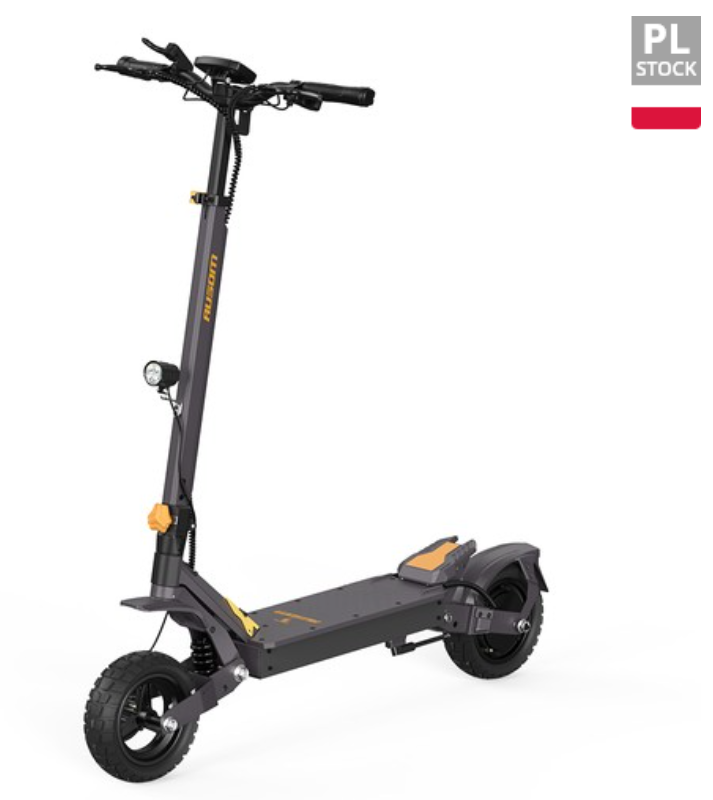
- 800W Motor
- 48V 15.6Ah Battery
- 10 inch Tires
- 45km/h Max Speed
- 70km Range
- Front & Rear Disc Brakes
- Dual Swingarm Suspension
- NFC & Passcode Lock
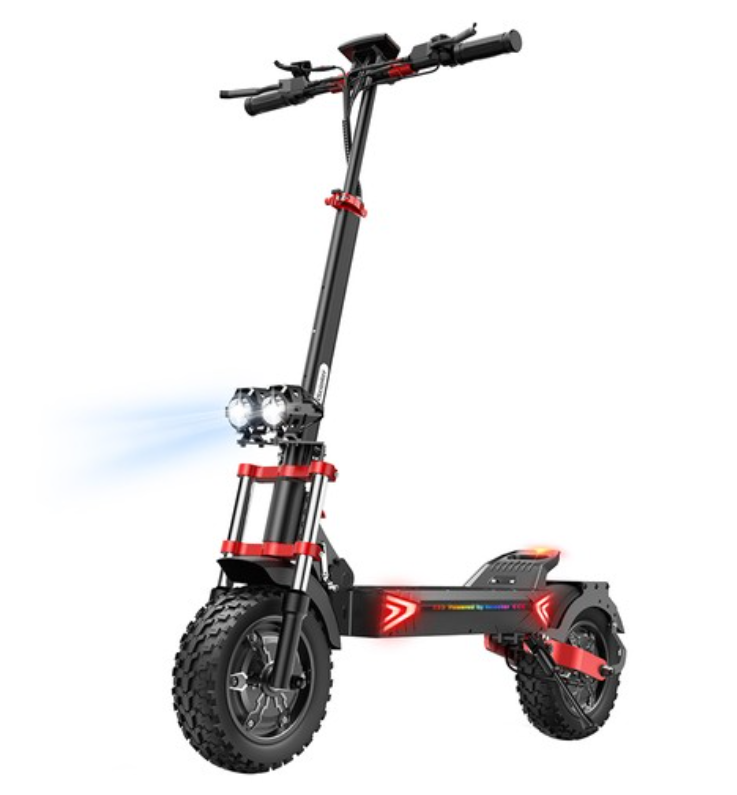
- 2*1200W Motor
- 48V 20AH Battery
- 12-inch Tire
- 60km/h Max Speed
- 70km Range
- Dual Hydraulic Disc Brakes
- Front & Rear Suspension
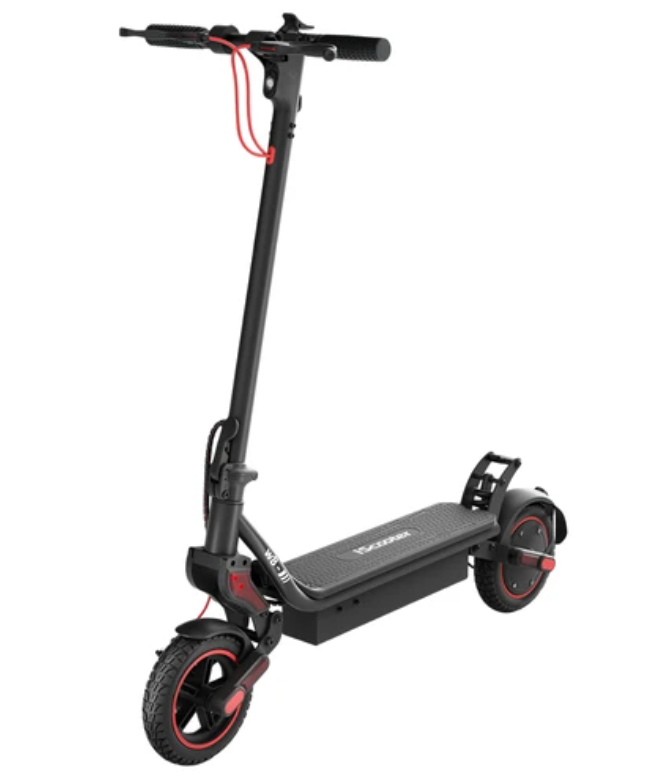
- 500W Motor
- 48V 10.4Ah Battery
- 9.3-inch Tire
- 40km Range
- Front Disc Brake+Rear Drum Brake
- Dual Shock Absorption
- Turn signals, Taillights and Ambient Lighting
App Control
