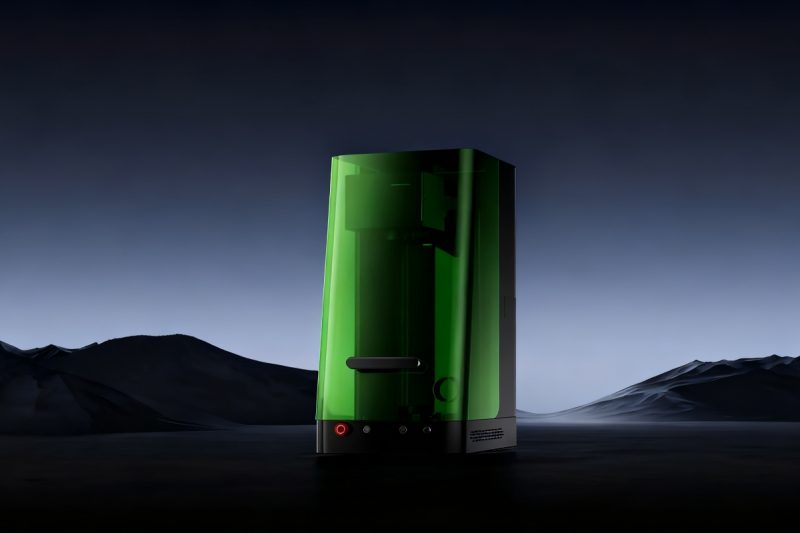
Selecting the correct laser engraving machine presents a challenge for many buyers. The market offers several distinct technologies. This guide compares UV Laser Engravers against CO2, Fiber, and Diode models. We will analyze technical specifications and practical applications to aid your decision.
Quick Comparison Summary
This section provides a concise overview of key differences. The table below outlines wavelengths and suitable materials for each machine type.
| Feature | UV Laser | CO2 Laser | Fiber Laser | Diode Laser |
| Wavelength |
350 nm to 400 nm (Ultraviolet) |
10,600 nm (Far Infrared) |
1064 nm (Near Infrared) |
450 nm to 1550 nm (Blue/Red/IR) |
| Best Materials |
Glass, ceramics, plastics, and heat-sensitive films |
Wood, leather, plastics, and paper |
Metals like stainless steel and aluminum |
Wood, plastic, and leather (detail work) |
| Precision |
Very High |
Moderate |
High |
Low to Medium |
| Power |
Low to Medium |
High (Tens to thousands of watts) |
High (Tens to thousands of watts) |
Low (Milliwatts to tens of watts) |
| Primary Cost |
High |
Moderate |
High |
Low |
Detailed Technology Analysis
The UV Laser Engraver
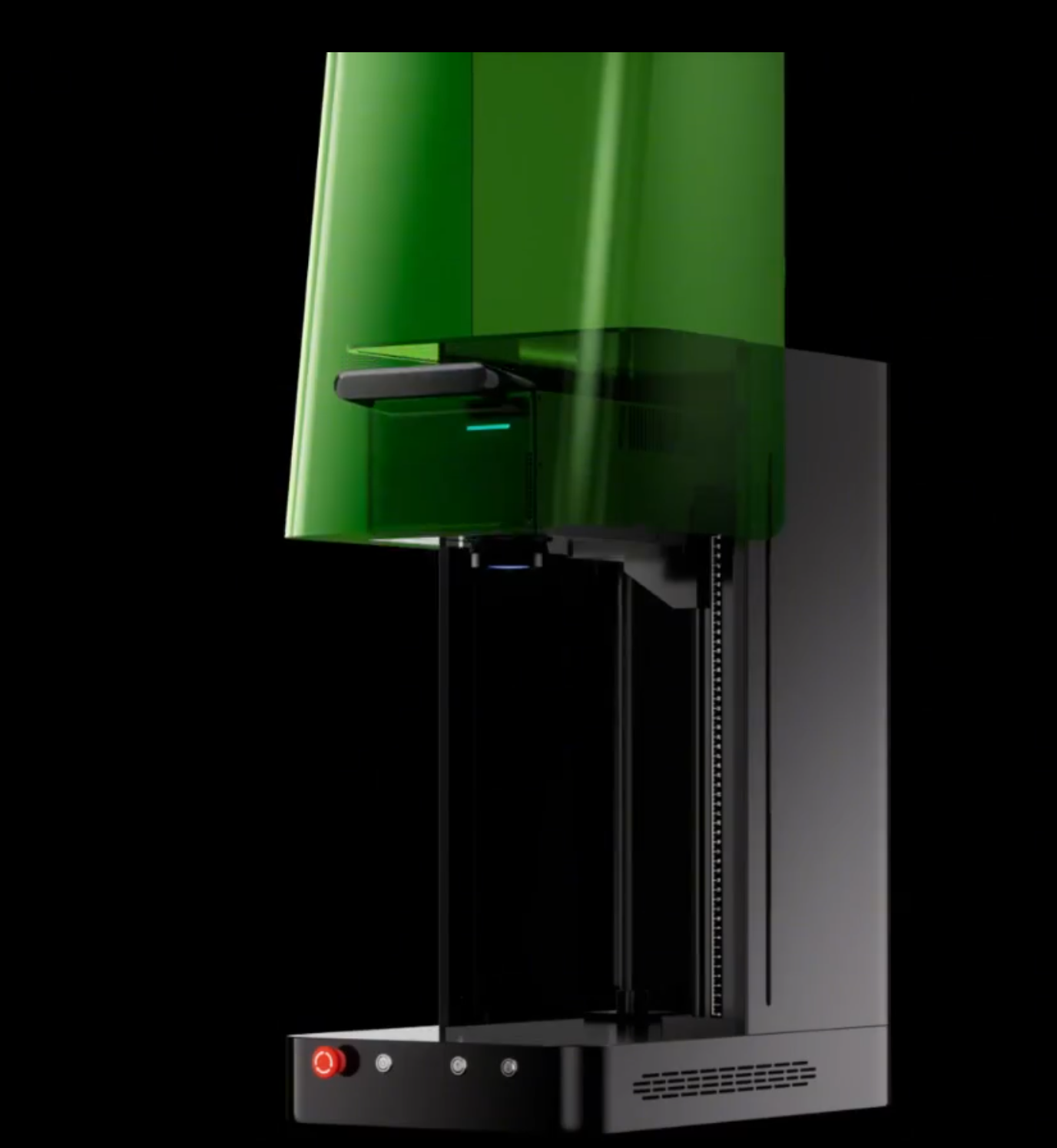
UV laser engraving machines utilize a specific wavelength range. This range spans from 350 nanometers to 400 nanometers. These machines function as precision specialists. They excel at processing hard materials like glass and ceramics. Users can also process heat-sensitive materials such as thin films. The primary advantage is high precision. The beam quality allows for micro-pattern engraving. However, the cost remains high. These machines do not suit large-scale cutting tasks.
The CO2 Laser Engraver
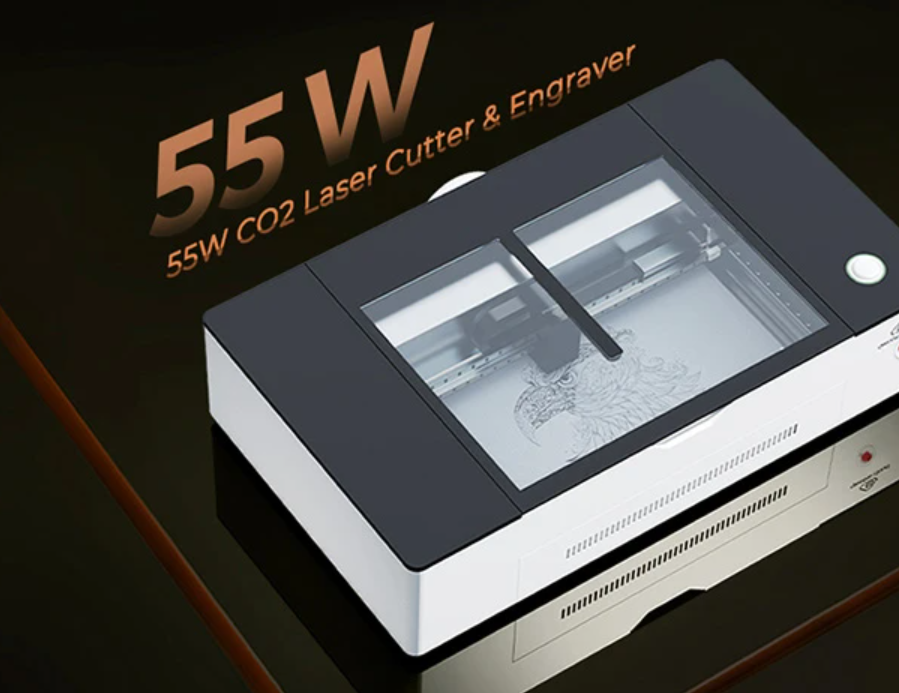
CO2 laser engravers operate at a wavelength of 10,600 nanometers. This technology targets non-metallic materials. Common applications include wood, plastic, and leather. The machine performs well for cutting tasks. It handles large areas efficiently. A major limitation involves metal processing. The engraving effect on metal remains poor.
The Fiber Laser Engraver
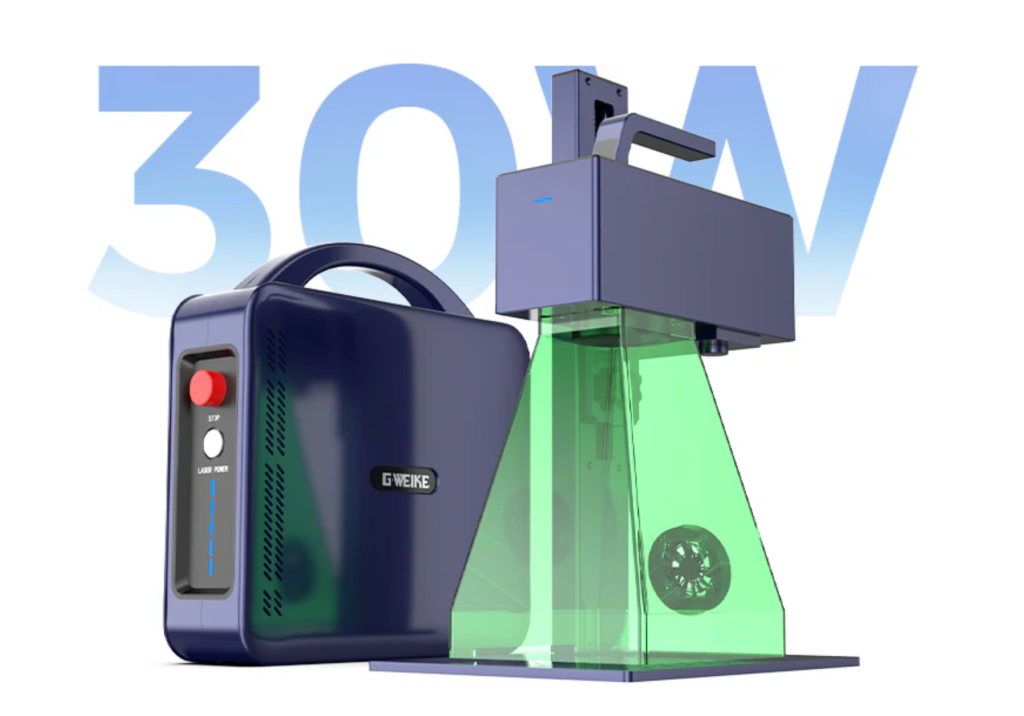
Fiber laser engraving machines use a 1064-nanometer wavelength. The device specializes in metal engraving and marking. It works effectively on stainless steel, aluminum, and copper. The beam quality is excellent. This suits high-precision industrial applications. The price is relatively high. It is generally unsuitable for cutting large non-metallic materials.
The Diode Laser Engraver
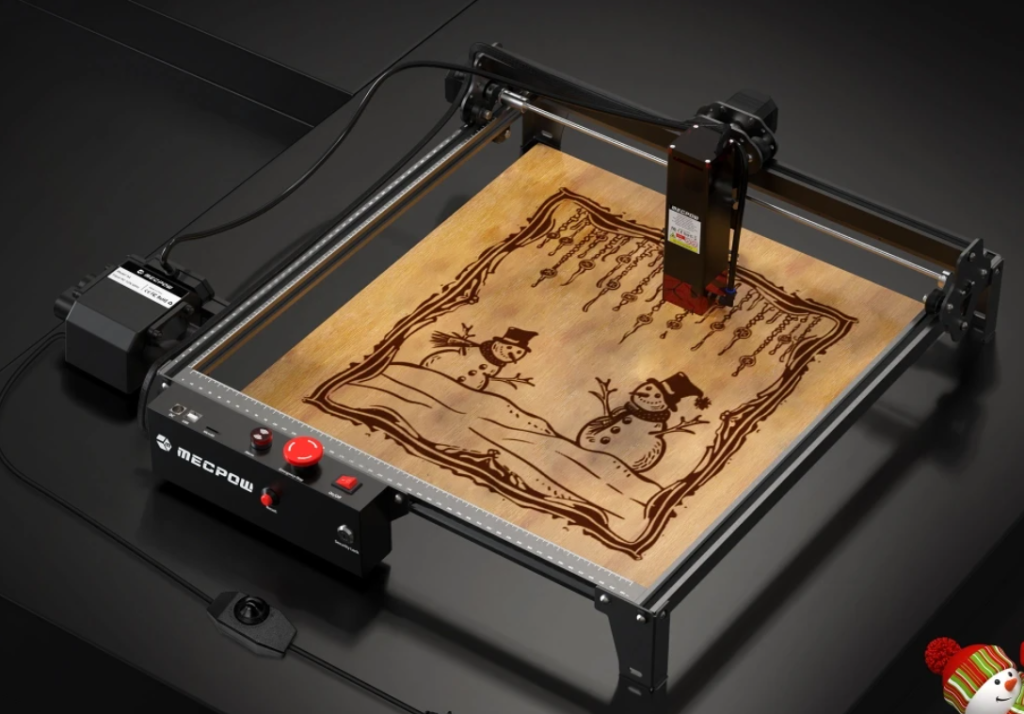
Diode laser engravers cover wavelengths from 450 to 1550 nanometers. The main advantage is low cost. These machines suit families and entry-level users. They handle small engraving tasks well. Examples include barcodes and small wooden objects. However, the beam quality is lower. The power output is also limited.
Selection Recommendations
Buyers should align their choice with specific project goals.
- For High Precision: Choose a UV laser for hard materials like glass or electronic components.
- For Non-Metal Cutting: Select a CO2 laser for cutting large areas of wood or leather.
- For Metal Marking: A Fiber laser represents the best option for metal surfaces.
- For Entry-Level Use: The Diode laser offers the best value for small objects.
