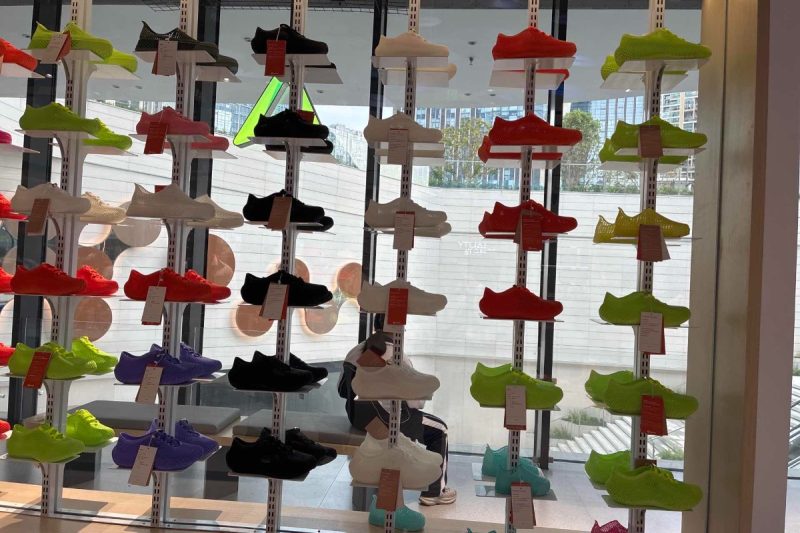
For years, 3D printed shoes felt more like a futuristic concept than something you would actually wear every day. But as we move into 2026, that perception has changed rapidly. Across major European cities, 3D printed shoes are becoming a visible part of daily life—not as experimental fashion, but as comfortable, breathable footwear designed for long hours of walking and standing.
Based on recent market analysis and hands-on testing of the latest lattice-structured footwear, it is clear that what started as performance-driven prototypes has evolved into a genuine consumer comfort trend.
Beyond the Gimmick: The Wearing Experience
One of the biggest myths around 3D printed shoes is that they feel rigid or plastic-like. In reality, the experience is often softer and more adaptive than traditional foam-based sneakers.
Breathability: The Summer Commuter’s Solution
A defining advantage of 3D printing is the ability to create open lattice structures inside the shoe, often referred to as “Hyper Air” designs. This isn’t just a technical spec; it solves a specific daily problem.
Imagine commuting on a stifling London Tube in July or logging 15,000 steps sightseeing in Rome. Unlike glued, layered sneakers that trap heat and moisture, the porous design of a 3D printed shoe allows air to flow directly through the sole. It prevents that heavy, swollen-foot feeling that typically hits by mid-afternoon.
Cushioning: A Real-World Test
Many 3D printed shoes use advanced cushioning geometries—sometimes described as “5D cushioning”—to distribute pressure evenly. But what does that actually feel like?
Real-World Test: After wearing a pair of lattice-midsole shoes for a full workday (roughly 9 hours standing on concrete floors), the most noticeable difference was not just the initial softness. It was how little foot fatigue built up by the end of the day. Unlike standard foam which compresses and “bottoms out” after a few hours, the printed structure maintained its rebound until the shift ended.
The “Wide-Foot” Relief
Because these shoes are printed rather than pulled over standard molds, they naturally offer more flexible toe boxes. For people with wide feet or bunions who usually find standard sneakers restrictive, this offers immediate pressure relief without needing to buy “orthopedic” looking footwear.
Who Is Buying 3D Printed Shoes (And Who Should Skip Them)
While early adopters were mostly tech enthusiasts, the audience has shifted. However, these shoes are not for everyone.
The Ideal Users:
- The “Standing Professionals”: Warehouse managers, retail staff, and healthcare workers who need to survive 8+ hour shifts on hard surfaces.
- Active Seniors: For gardening, dog walking, or travel, the slip-on ease and lightweight structure reduce joint impact.
- Style-Conscious Explorers: People who want the avant-garde look of high-fashion brands (like Balenciaga) but at a practical price point ($100-$200).
Who Should Skip This Trend?
- Winter Commuters: That amazing airflow becomes a major flaw in January. Unless you wear thick wool socks, the wind cuts right through the lattice structure.
- High-Performance Runners: While high-end prototypes exist, most consumer-level 3D printed lifestyle shoes currently lack the stiff “snap” and energy return needed for marathon training.
- Fans of Heavy Padding: If you prefer the thick, hugged sensation of a retro basketball shoe, the stripped-back, skeletal feel of 3D printing might feel too minimal for you.
2026 Trend Signal: It’s Not Just a Concept Anymore
This shift isn’t just a vague prediction; we are seeing early commercial signals from industry giants.
Nike’s roadmap suggests a move toward broader commercialization in 2026, following their partnership with Zellerfeld and internal testing of whole-shoe printing. While products like the projected “Air Max 1000” or “95000” series likely remain limited releases or “hype” drops for now, they serve as a strong indicator that the technology is maturing from experimental prototypes to shelf-ready products.
Simultaneously, independent platforms are proving that “print-on-demand” is viable, aligning with the European market’s growing demand for sustainability by reducing material waste.
The Verdict: How to Use These Shoes
If you are thinking about trying 3D printed footwear in 2026, here is where they fit in your wardrobe:
- Best For: Daily commuting, standing desk work, summer travel, and recovery days.
- Worst For: Rainy/Snowy days, competitive sports, and rough terrain hiking.
- Treat Them As: A “Super-Sandal” upgrade. Think of them as offering the breathability of a sandal with the support and protection of a high-tech sneaker.
Make Instead of Buy?
Of course, for the DIY enthusiasts among us, this technology isn’t just for buying—it’s for making. If you are interested in the hardware capable of printing flexible TPU materials like these, visit our 3D Printers category to see the machines powering the next generation of consumer products.
