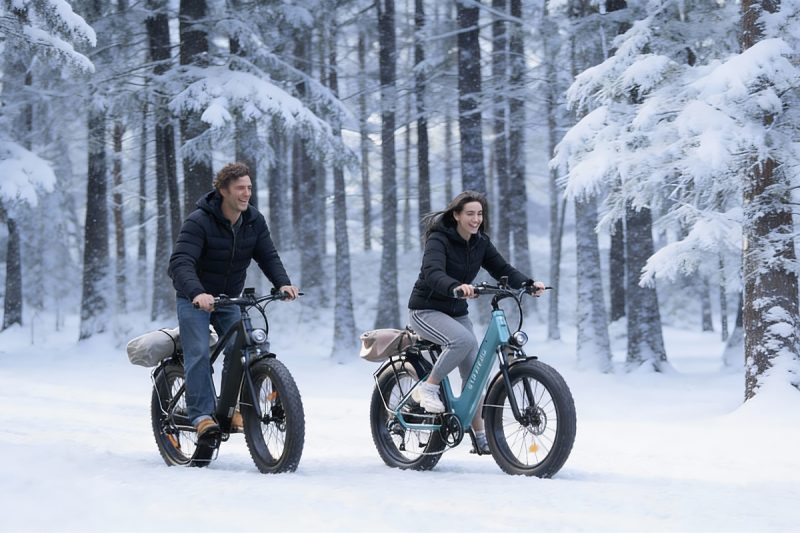
As winter settles across Europe, bringing freezing temperatures and icy roads, many e-bike riders notice a familiar frustration: a fully charged battery delivers noticeably less range than it did in summer. This often leads to unnecessary concerns about battery health. In reality, the issue is rarely battery failure—it is the cold. Proper E-Bike Battery Winter Care is essential for maintaining performance, protecting battery lifespan, and ensuring reliable winter rides, whether you commute daily or store your bike for the season.
This guide explains the science behind cold-weather battery performance, outlines proven winter storage rules, and shares practical riding habits that help preserve range in low temperatures.
Why Cold Weather Reduces E-Bike Battery Performance
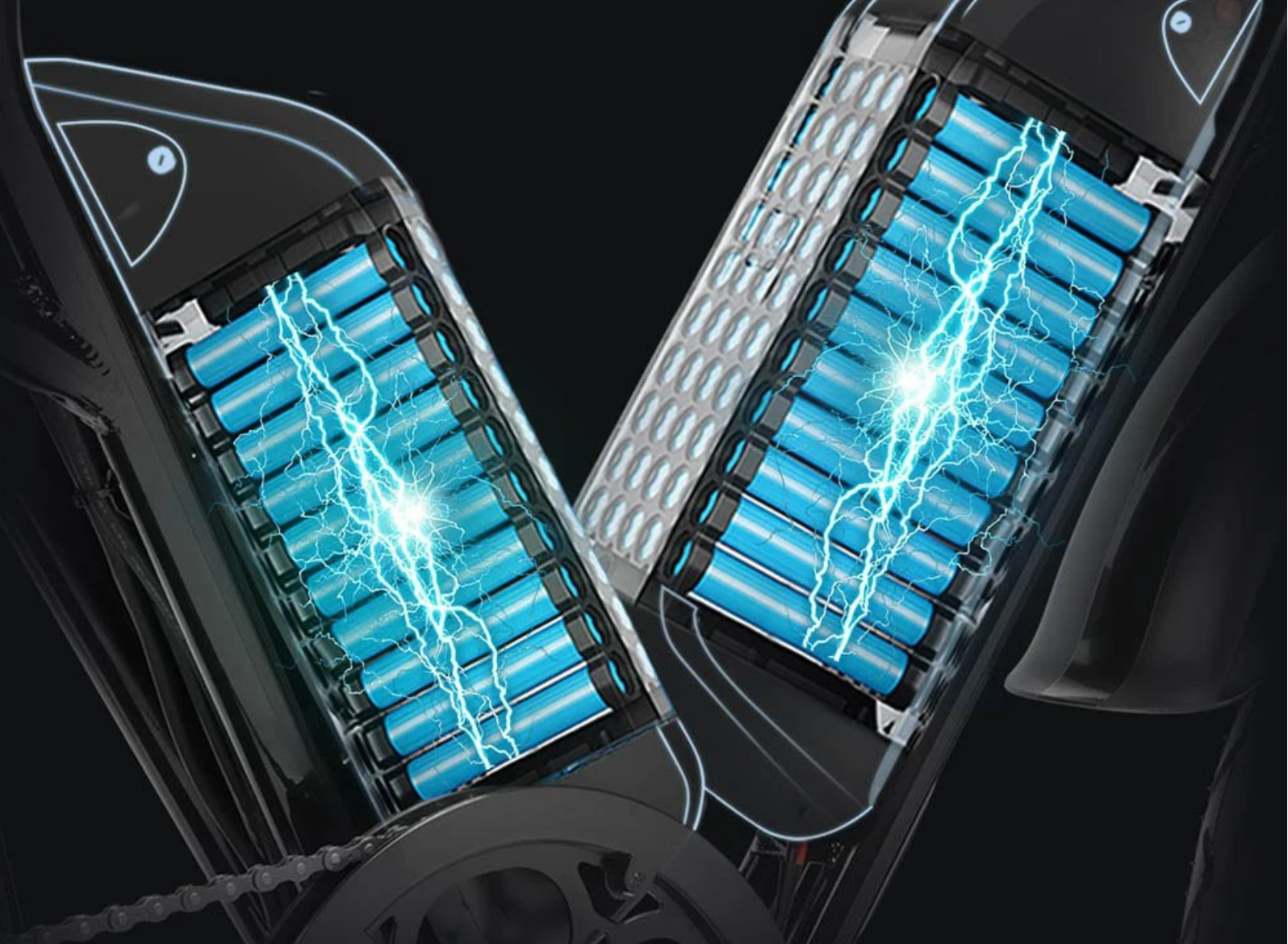
To understand winter range loss, it helps to look inside the battery itself. Most modern e-bikes rely on lithium-ion batteries, which function by moving lithium ions between the anode and cathode through a liquid electrolyte.
The “Honey Effect” in Cold Temperatures
In moderate conditions (around 20–25°C), the electrolyte remains fluid, allowing ions to move freely. As temperatures approach freezing, the electrolyte thickens—much like honey in cold weather. This increased viscosity slows ion movement and reduces the efficiency of the electrochemical reactions.
Increased Internal Resistance
From an electrical perspective, cold temperatures increase internal resistance within the battery. This leads to two noticeable effects:
- Reduced usable capacity: Energy remains stored but cannot be released efficiently.
- Voltage sag under load: High power demands, such as fast acceleration or steep climbs, cause voltage to drop more quickly.
Key takeaway: Cold weather does not permanently remove energy from the battery. It temporarily limits how efficiently that energy can be delivered—provided the battery is handled correctly.
Best Practices for E-Bike Battery Storage in Winter
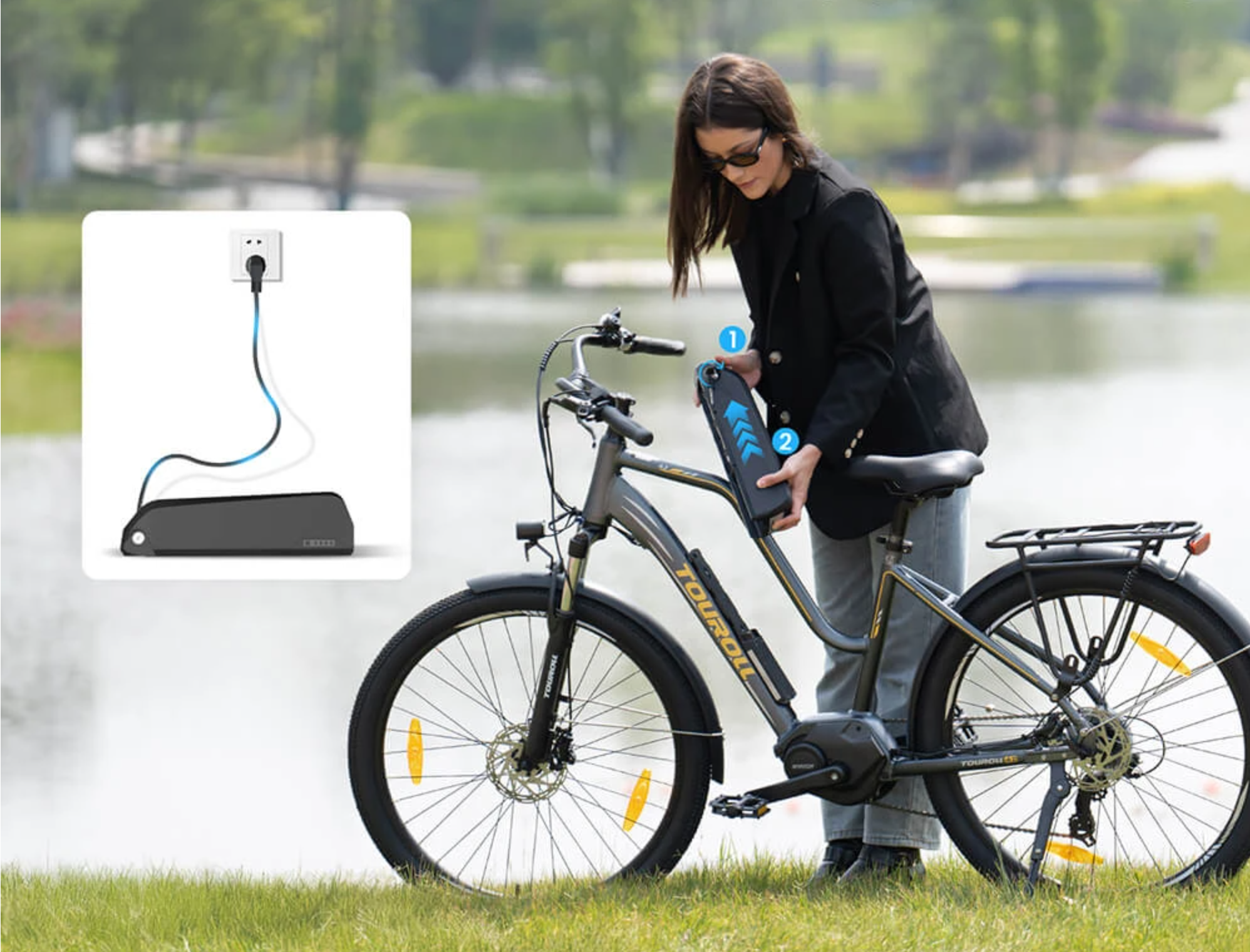
Whether you pause riding for several weeks or simply park your bike during severe weather, proper e-bike battery storage in winter is critical. Incorrect storage habits are one of the leading causes of premature battery degradation.
The 40–60% Charge Rule
Never store a lithium battery fully charged or completely empty for extended periods.
- Why not 100%? Prolonged high voltage accelerates chemical aging inside the cells.
- Why not 0%? Batteries self-discharge over time. If the voltage drops too low, the Battery Management System (BMS) may permanently disable the pack for safety reasons.
Recommended storage level: Maintain a charge between 40% and 60%, which minimizes stress on the battery chemistry.
Ideal Winter Storage Conditions
- Location: Store the battery indoors. Garages and sheds are often too cold during European winters.
- Temperature: Aim for a stable range between 15°C and 20°C.
- Humidity: Keep the battery dry to protect electrical contacts and internal electronics.
If storing the battery for several months, check the charge once a month and top it up slightly if it falls below 40%.
In short, proper e-bike battery winter care comes down to three principles:
- Store indoors at moderate temperatures
- Maintain a 40–60% charge level
- Avoid moisture and extreme cold
Smart Riding Habits to Extend Winter Range

For riders who continue commuting through winter, adjusting riding habits can significantly reduce the impact of low temperatures. These lithium battery cold weather tips help with extending e-bike range in winter.
Start with a Warm Battery
Never begin a ride with a battery that has been sitting in freezing conditions. Bring it indoors and allow it to reach room temperature for at least two to three hours before riding. A warm battery has lower internal resistance and performs more efficiently from the first kilometer.
Accelerate Smoothly
Sudden acceleration demands high current, which cold batteries struggle to deliver efficiently.
- Use lower assist levels when starting
- Accelerate gradually rather than applying full power immediately
Balance Pedaling and Assistance
Relying more on human power reduces battery load and minimizes voltage drops. This approach is especially effective in cold conditions, where electrical efficiency is already reduced.
Avoid Charging Immediately After a Cold Ride
Charging a battery while it is still cold can cause lithium plating—permanent damage that reduces capacity and poses safety risks. Allow the battery to warm up indoors for 30–60 minutes before connecting the charger.
Summary: Protect Performance with Proper E-Bike Battery Winter Care
Winter riding does not have to mean constant range anxiety. By understanding how cold temperatures increase internal resistance and limit power delivery, riders can adapt their habits accordingly.
Effective E-Bike Battery Winter Care is built on three foundations:
- Store smart: Keep the battery indoors at 40–60% charge
- Start warm: Always bring the battery to room temperature before riding
- Ride smoothly: Gentle acceleration helps preserve voltage and range
These practices not only improve winter performance but also extend the overall lifespan of one of the most valuable components of any e-bike.
