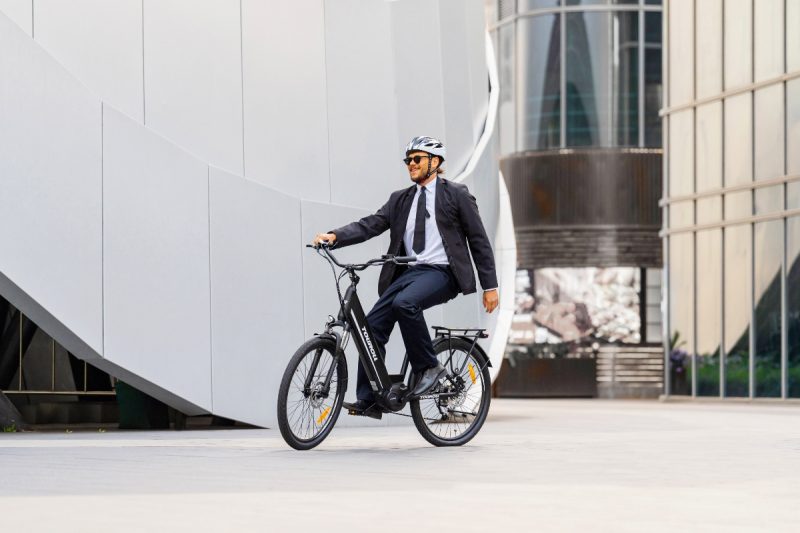
By the third week of January, many fitness resolutions fade. Nearly 80% of gym memberships bought in the New Year go unused by February—not because of weak motivation, but because the approach is hard to sustain. This is where e-bike fitness offers a more realistic alternative.
Traditional workouts demand time, travel, and high effort. In contrast, an electric bike builds moderate physical activity into daily life, turning transportation into a sustainable fitness habit for 2026—without relying on extreme discipline or disruptive routines.
The Science of “Hidden Cardio”: Why E-Biking Counts
A common misconception is that because an electric motor helps you, the physical benefits are nullified. From a physiological standpoint, this is incorrect. The goal of sustainable health is not total exhaustion—it is time in zone.
To improve cardiovascular health and support healthy weight management, the World Health Organization (WHO) recommends 150–300 minutes of moderate-intensity aerobic activity per week. This is where the specific e-bike fitness benefits shine:
- Traditional Cycling often pushes beginners into the “Anaerobic Zone” (high heart rate, gasping for breath). While effective for athletes, this creates physical pain and mental resistance for new riders, often leading to burnout.
- E-biking often helps riders stay within a moderate-intensity heart rate zone (commonly referred to as Zone 2), especially when assist levels are consciously managed. This is a zone commonly associated with aerobic efficiency and sustainable energy use, where your heart rate is elevated but you can still hold a conversation.
The Data Point:
Studies comparing e-bike riders to traditional cyclists have shown that e-bike users often remain within a moderate-intensity heart rate range (typically around 60–75% of maximum heart rate, depending on assist level and rider fitness), while perceiving the effort as easier. This lower Rate of Perceived Exertion (RPE) is the key to doing it again tomorrow.
Breaking the “Sweat Barrier”: Overcoming Workout Anxiety

One of the primary psychological barriers to outdoor exercise is the fear of being stranded, hitting a hill you can’t climb, or arriving at your destination drenched in sweat.
The e-bike acts as a safety net. The knowledge that you have a throttle or high-assist mode available eliminates the fear of physical failure. This psychological safety invites exploration, encouraging you to take the long route home or explore a new path, further increasing your total active minutes without conscious effort.
Active Commuting in 2026: Reclaiming Your Time
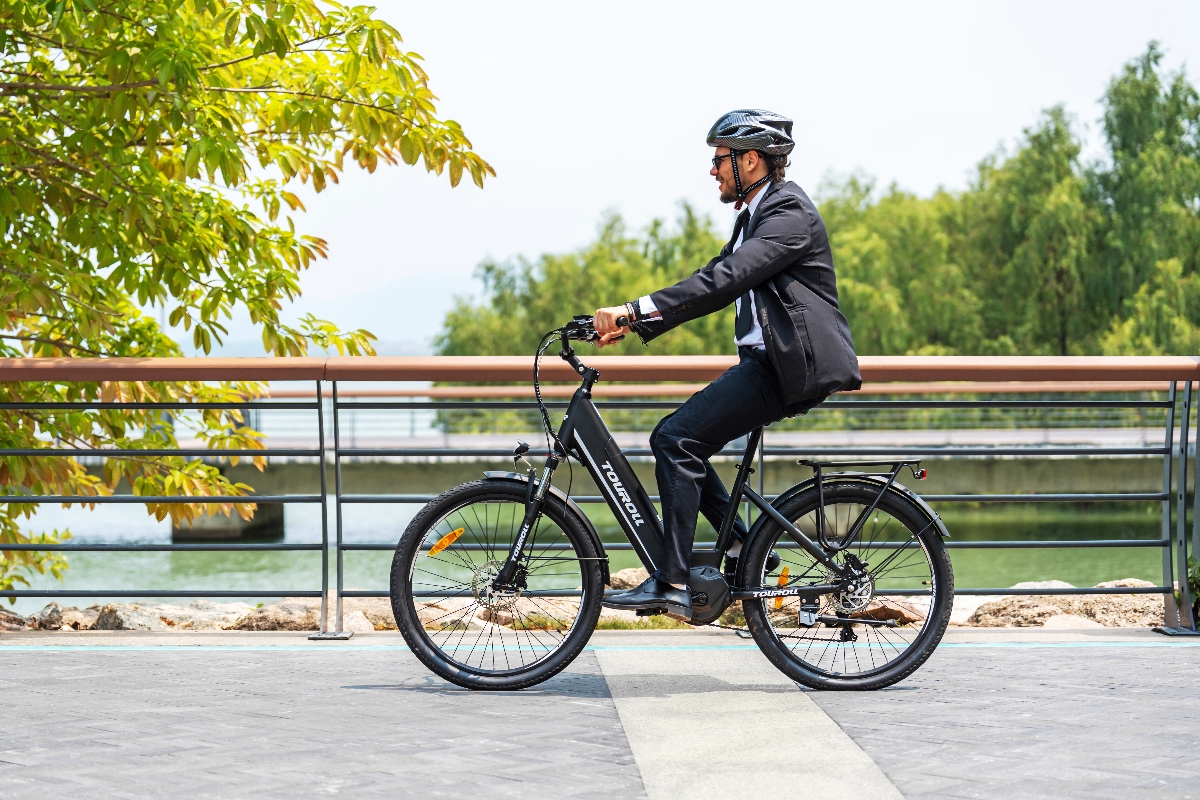
For the time-poor professional, finding an extra hour a day to visit the gym is often mathematically impossible. Active commuting creates time by converting “dead time”—the 40 minutes spent sitting in traffic or on public transit—into “health time.”
However, traditional cycling to work presents practical barriers: arriving sweaty, needing a shower, and the fatigue of the return journey. E-bikes dismantle these barriers through variable assistance:
- To Work (High Assist): Use a higher setting to flatten hills and reduce effort. You are more likely to arrive feeling comfortable and composed, often without the need for a full post-ride shower.
- From Work (Low Assist): Lower the assistance level on the way home to clear your head, de-stress, and get a deeper workout when hygiene matters less.
This turns the commute into a flexible tool. You are no longer trying to “find time” to exercise; the exercise is built into your day.
Consistency Beats Intensity: The Weight Loss Factor

The most critical variable in any health outcome is consistency, not intensity. A high-intensity workout done once a month achieves less than a moderate workout done four times a week.
When it comes to losing weight cycling, frequency is the engine of success. A study of European e-bike users found that they cycled longer distances and more frequently than traditional bike owners. Individual outcomes may vary based on riding frequency, assist settings, and overall lifestyle factors.
An e-bike changes the equation by shifting the activity from “optional exercise” to “necessary transportation.”
- Gym: You go if you have the energy.
- E-Bike: You ride because you need to get to work, buy groceries, or meet a friend.
Because the movement is tied to a utility, the adherence rate is significantly higher.
Choosing the Right Tool: Torque vs. Cadence Sensors
If your goal is fitness, the technology inside the bike matters. Not all e-bikes deliver the same workout experience. The key distinction lies in the sensor type:
Cadence Sensor Models (The “Cruise Control” Feel)
These bikes detect if you are pedaling, not how hard you are pedaling. Once the pedals turn, the motor engages at a set speed.
- Pros: effortless riding, good for pure commuting.
- Cons: easy to “ghost pedal” (spin the pedals without force) which reduces fitness benefits.
Torque Sensor Models (The “Bionic” Feel)
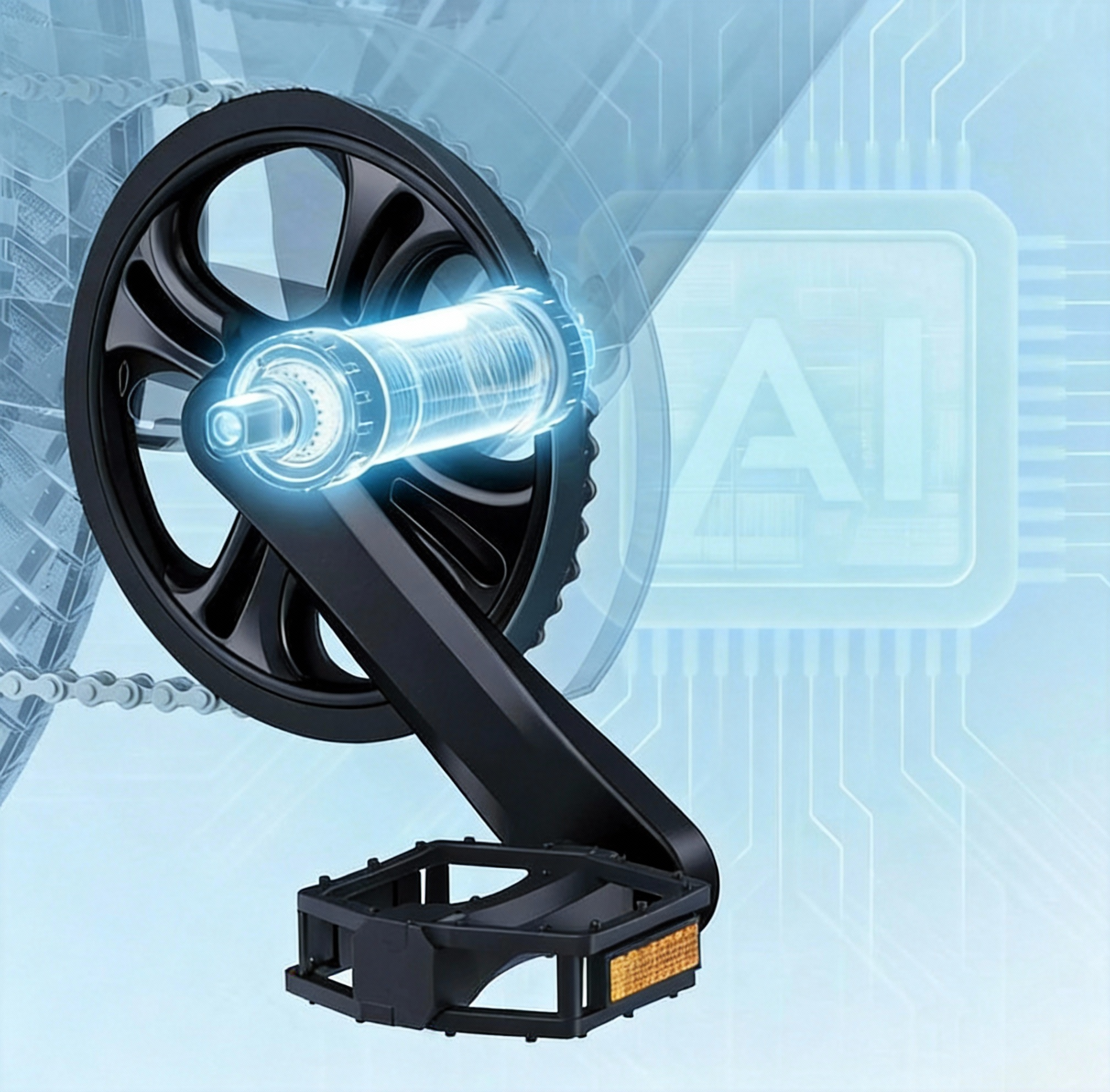
These sensors measure the actual force you apply to the pedals and amplify it. If you pedal harder, the motor gives more; if you ease off, the motor eases off.
- Pros: It feels like riding a bike, only you are stronger. It requires continuous human input, ensuring you are always doing some work.
- Verdict: For riders prioritizing fitness and long-term consistency, torque sensor models are often the more suitable choice. It creates a seamless connection between your effort and the bike’s speed, making the ride feel more like “real” exercise while still protecting your joints.
Conclusion: A Tool, Not a Toy
If your goal for 2026 is to suffer for three weeks in a gym and then quit, rely on willpower. If your goal is a permanent upgrade to your baseline health, rely on structural change.
An e-bike reduces the friction of exercise until it feels less like a workout and more like a lifestyle choice. By keeping you in the optimal heart rate zone and removing the barriers of hills, sweat, and time constraints, it provides the one thing most health resolutions lack: sustainability.
