Introduction: Range Is No Longer About Distance Alone
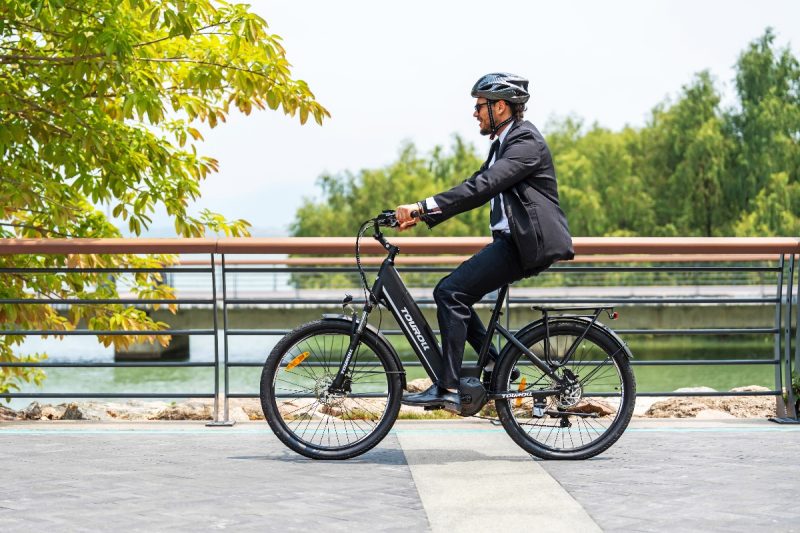
By 2026, the European e-bike market has matured, and the definition of a long-range e-bike has evolved with it. Early marketing narratives focused on maximum speed or headline-grabbing range figures. Today, experienced riders evaluate e-bikes through a far more pragmatic lens: charging convenience, winter reliability, and long-term battery durability.
In Europe—where motor assistance is capped at 25 km/h, many urban riders live in apartment buildings, and winter temperatures regularly drop below 5 °C—the decision to invest in a long-range e-bike is less about how far you can ride on a single charge, and more about how reliably and comfortably you can ride every day.
In practical terms, a “long-range” e-bike in the European market typically starts at 625–750 Wh, while capacities above 900–1000 Wh are usually achieved through dual-battery systems, rather than a single oversized battery.
Range Psychology vs. Real-World Usage
Across most European cities, daily commuting distances remain modest. Typical urban commutes range from 8 to 15 km round-trip, well within the capability of a standard 400–500 Wh battery—at least on paper.
Yet range anxiety remains one of the strongest psychological barriers to purchase. The issue is not raw distance, but predictability.
A standard battery may comfortably cover today’s ride, but a long-range battery provides a buffer against real-world variables:
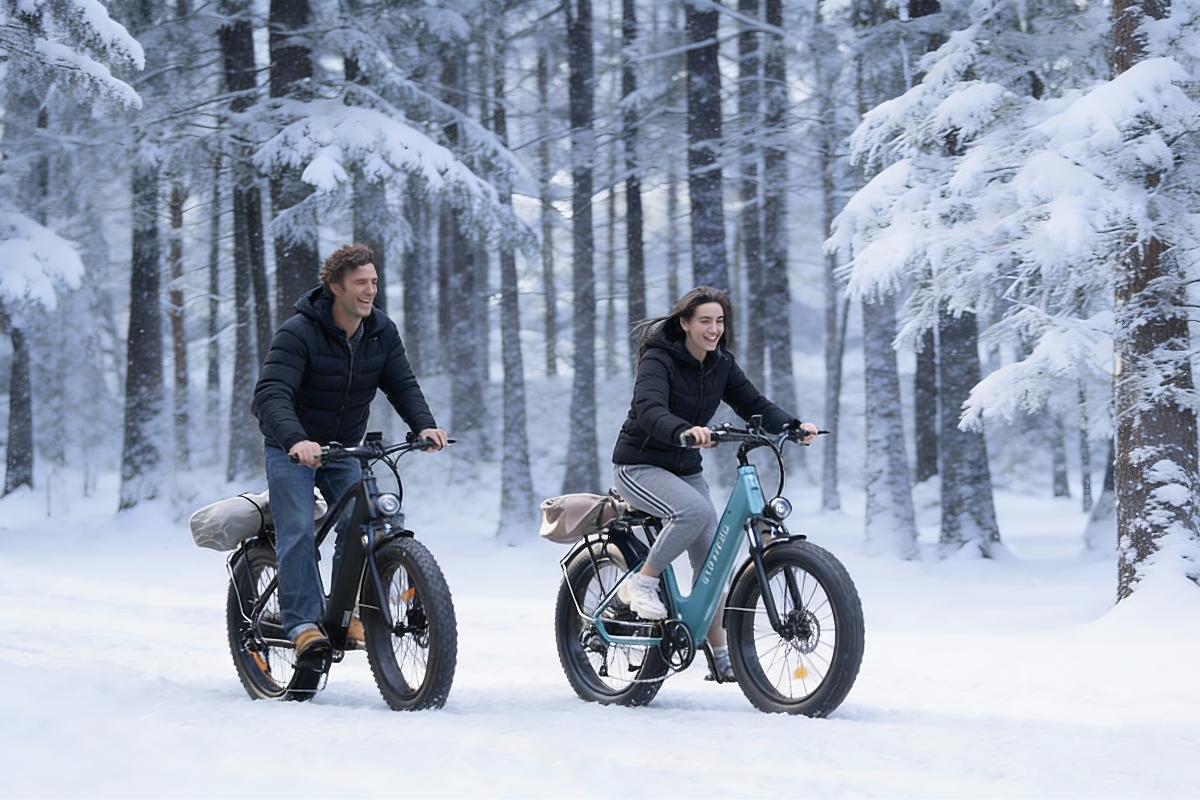
- Cold temperatures reducing lithium-ion efficiency
- Headwinds and poor road surfaces
- Battery degradation over time
- Unplanned detours or errand stops
Manufacturers often advertise ranges of 100 km or more. In real European conditions—mixed terrain, 25 km/h cut-off, winter temperatures, and moderate assist levels—those figures more realistically translate to 50–70 km of dependable range.
Who Actually Benefits from a Long-Range E-Bike?
1. The “Once-a-Week” Urban Commuter
Profile: 10–12 km daily commute, apartment living, limited charging access.
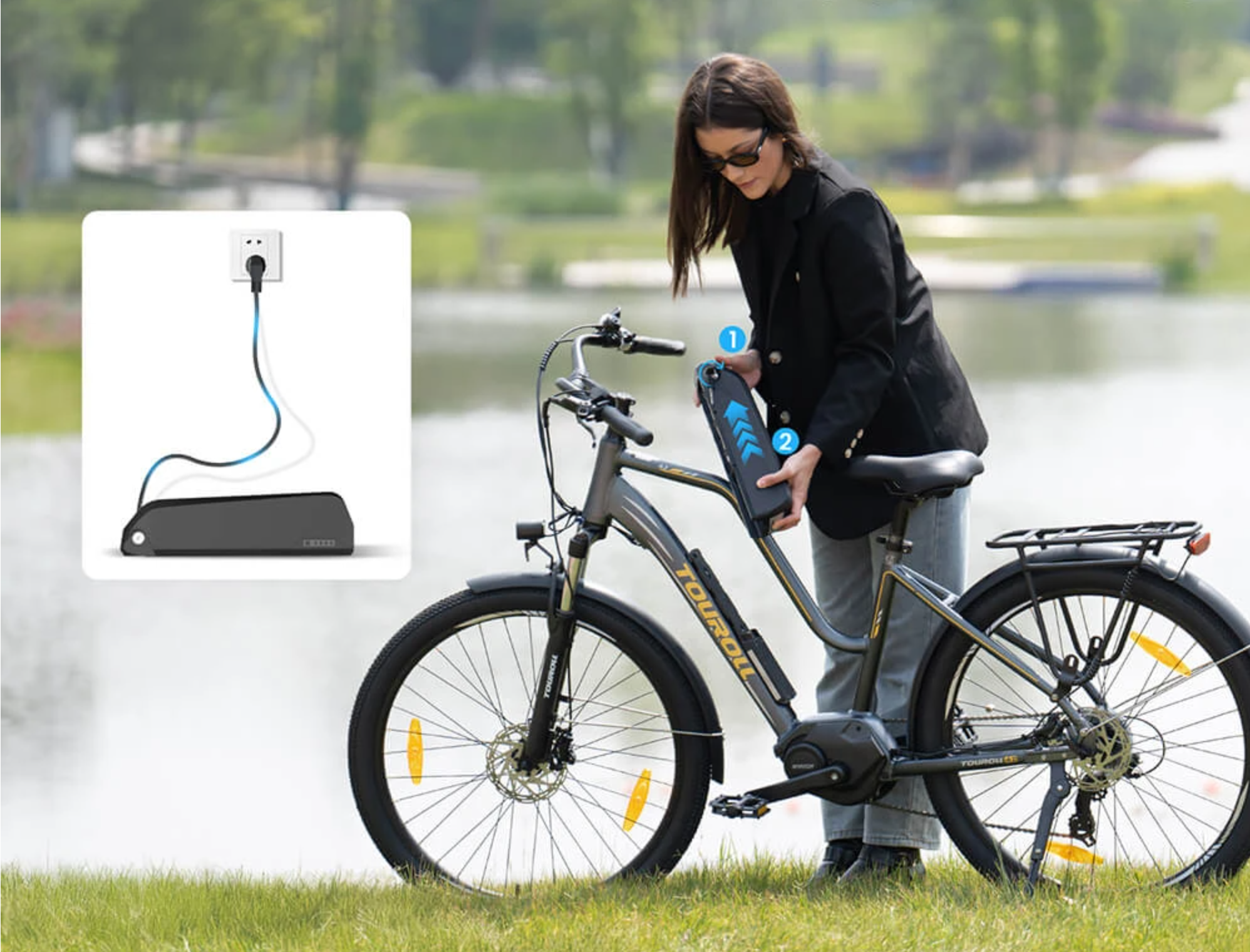
Why long-range matters: The goal is not distance, but charging frequency. A 625–750 Wh battery allows charging once per week instead of every 1–2 days—an important quality-of-life improvement when batteries must be carried upstairs.
2. The Intercity or Extended-Distance Commuter
Profile: 30 km or more per day (e.g. Almere–Amsterdam or Reading–Greater London).
Why long-range matters: At these distances, standard batteries leave little margin for winter losses and long-term degradation. High-capacity systems become a necessity rather than a luxury.
This remains a niche segment, but one that is steadily growing as cycling infrastructure improves.
3. Car-Replacement Parents and Cargo Riders
Profile: Cargo bikes carrying children, groceries, or professional loads.
Why long-range matters: Weight dramatically increases energy consumption. Fully loaded cargo bikes often consume 20–25 Wh/km, especially in stop-and-go urban traffic or hilly areas. High-capacity or dual-battery systems are effectively mandatory.
4. Rural and Hilly-Terrain Riders
Profile: Riders in mountainous or rolling regions such as the Alps, Black Forest, or Peak District.
Why long-range matters: Elevation gain consumes watt-hours faster than distance. Long-range capacity ensures assistance remains available on steep climbs late in the ride, not just at the start.
A Practical Way to Calculate Realistic Range
Instead of relying on optimistic “up to 100 km” stickers, European riders should estimate range using a practical buffer model based on real-world conditions.
The European Buffer Formula
Required Battery Capacity (Wh)
= (Daily Distance × Consumption Rate) × Seasonal Factor
Step 1: Estimate Consumption Rate
- Eco / Flat Terrain: 8–10 Wh/km
- Mixed Urban Riding: 12–15 Wh/km
- High Assist / Cargo / Hills: 20–25 Wh/km
Step 2: Apply Seasonal Factor
- Summer (>15 °C): × 1.0
- European Winter (<5 °C): × 1.3–1.5
Example:
A 30 km round-trip winter commute using mid-level assist (15 Wh/km):
30 km × 15 Wh/km × 1.3 ≈ 585 Wh usable capacity
To preserve battery health and account for long-term degradation, a 700 Wh battery is the sensible purchase choice.
This is a practical estimation model, not a manufacturer-certified calculation.
500 Wh vs. 750 Wh vs. 1000 Wh+: What Changes?
| Feature | 400–500 Wh | 625–750 Wh | 900–1000 Wh+ |
|---|---|---|---|
| Ideal Use | Short city trips (<15 km) | Daily 25 km+ commuting | Cargo, hills, or 40 km+ |
| Charging | Daily / every 2 days | 2–3× per week | Weekly |
| Battery Weight | ~2.5 kg | ~3.6–3.9 kg | 5 kg+ or dual system |
| Cost Premium | Base | +€300–€500 | +€800+ |
Common Objections—and Realistic Answers
“Is 60 km of range enough?”
Often yes today—but lithium-ion batteries typically lose 15–25% capacity after 500–800 cycles. Long-range capacity ensures your commute remains viable several years down the line.
“The battery is too heavy.”
This is a valid concern. Riders carrying batteries up multiple flights of stairs may find that reduced charging frequency does not fully offset increased weight.
“Is the cost justified?”
When replacing regular train travel or a second car, high-capacity batteries often reach return-on-investment within 12–24 months, depending on local transport costs.
Conclusion: The European Sweet Spot
For most European riders, the optimal balance lies between 625 Wh and 750 Wh. This range offers sufficient winter buffer, long-term degradation insurance, and manageable weight—without the cost and complexity of ultra-high-capacity dual-battery systems.
Long-range e-bikes are not about riding farther every day. They are about riding with confidence, consistency, and fewer compromises—year after year.
