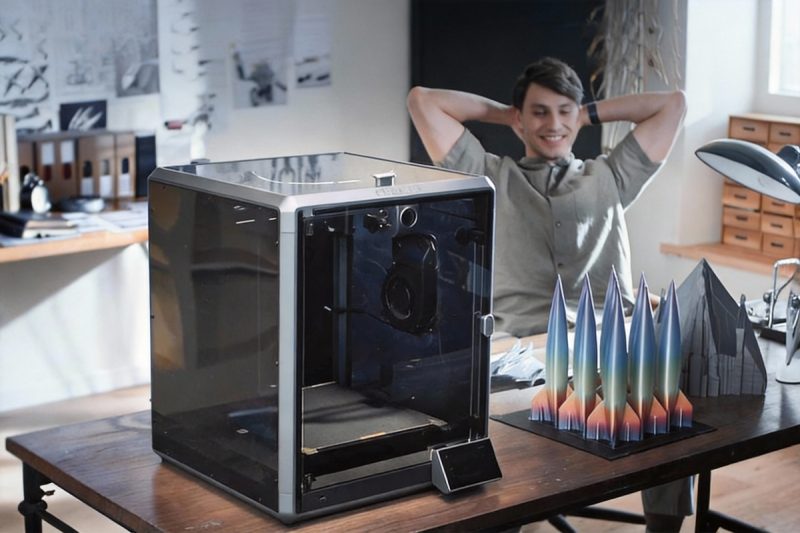
Buying your first 3d printer for home use is no longer a matter of technical bravery; it is now about lifestyle compatibility. In 2026, the market has matured to the point where the hardware often outpaces the average user’s needs. The challenge isn’t finding a machine that works—it’s finding one that doesn’t become a burden in a European apartment or a busy family home. To make the right choice, you must look past the “speed-run” videos on social media and focus on the daily friction of ownership.
The “Hobbyist” vs. “User” Divide
The most important step in your decision process is identifying your intent. YouTube influencers are often “Hobbyists”—people whose primary hobby is the printer itself. They enjoy the troubleshooting, the part swapping, and the constant tuning.
If you are a “User,” you view the printer as an appliance. You want to print a custom kitchen organizer, a replacement toy part, or a school project without spending your Saturday afternoon recalibrating axes. For a home user, a machine that requires constant “tinkering” is a failed purchase. You need a machine that prioritizes stability over peak performance.
The Apartment Compatibility Score
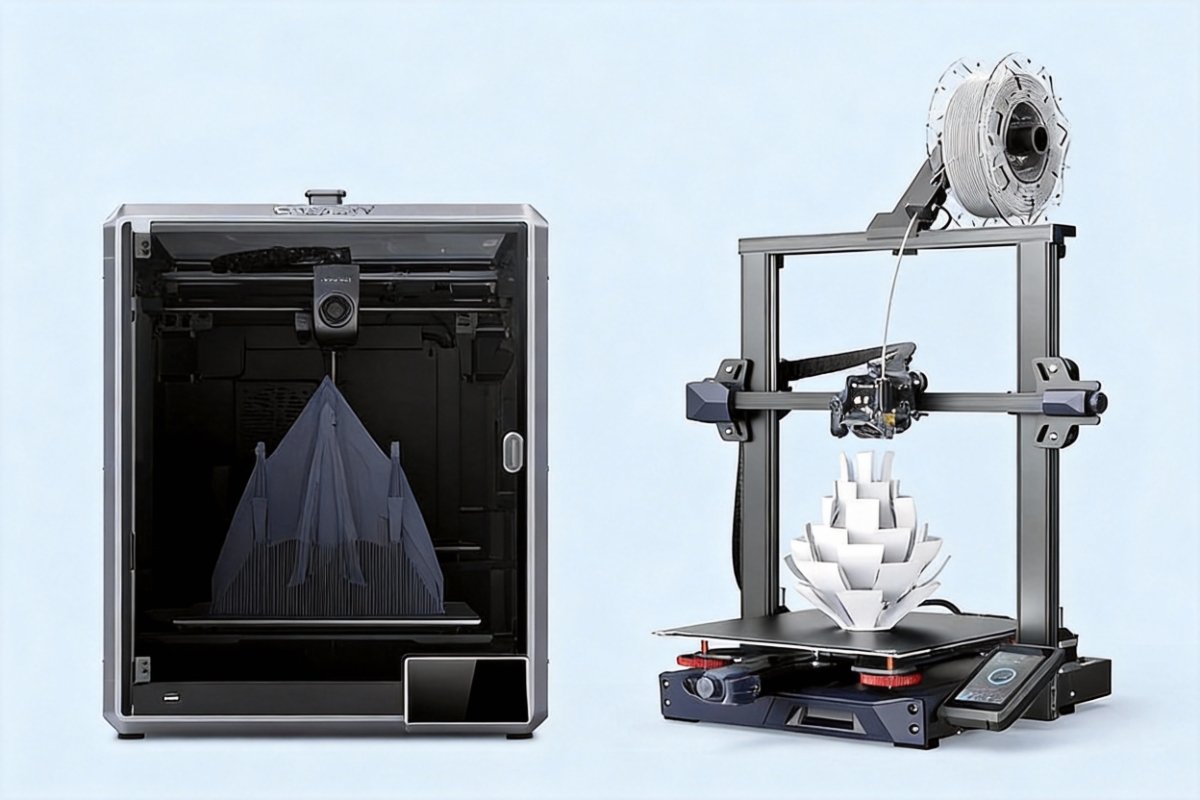
In the context of European living, spatial and acoustic realities are often more important than print speed.
- Decibels vs. Distance: In a 50m² or 60m² flat, the printer will likely live in a home office or a corner of the living room. Older or cheaper models emit a high-pitched “singing” noise from the motors. Ensure any machine you consider features “Silent Stepper Drivers.” Brands like Artillery and Elegoo have made this a standard, allowing you to run a print in the same room where you are watching television or taking a video call.
- The Goldilocks Footprint: While a massive build plate sounds attractive, it is rarely practical. A 220mm square bed is the industry standard for a reason: it fits on a standard 60cm deep desk and handles 95% of available 3D models.
- Odor and Family Safety: If you have small children or pets, an open-frame printer is a 200°C hazard. Fully enclosed models from Qidi Tech or Flashforge provide a physical barrier and help contain the slight “melted sugar” smell of PLA plastic, making them better suited for shared family spaces.
Marketing Specs vs. The Daily Grind
Marketing departments love big numbers, but for a beginner, those numbers can be misleading.
- The Speed Myth: You will see “600mm/s” on many boxes. In reality, most high-quality home prints are still done at 150-250mm/s. Pushing a machine to its limit increases the risk of “spaghetti” prints—a mess of wasted plastic that kills a beginner’s morale.
- Auto-Leveling is Mandatory: Do not buy a printer in 2026 that requires manual leveling with a piece of paper. “Auto-Bed Leveling” (ABL) ensures the first layer—the most critical part of the print—sticks every time. This is the difference between a tool and a toy.
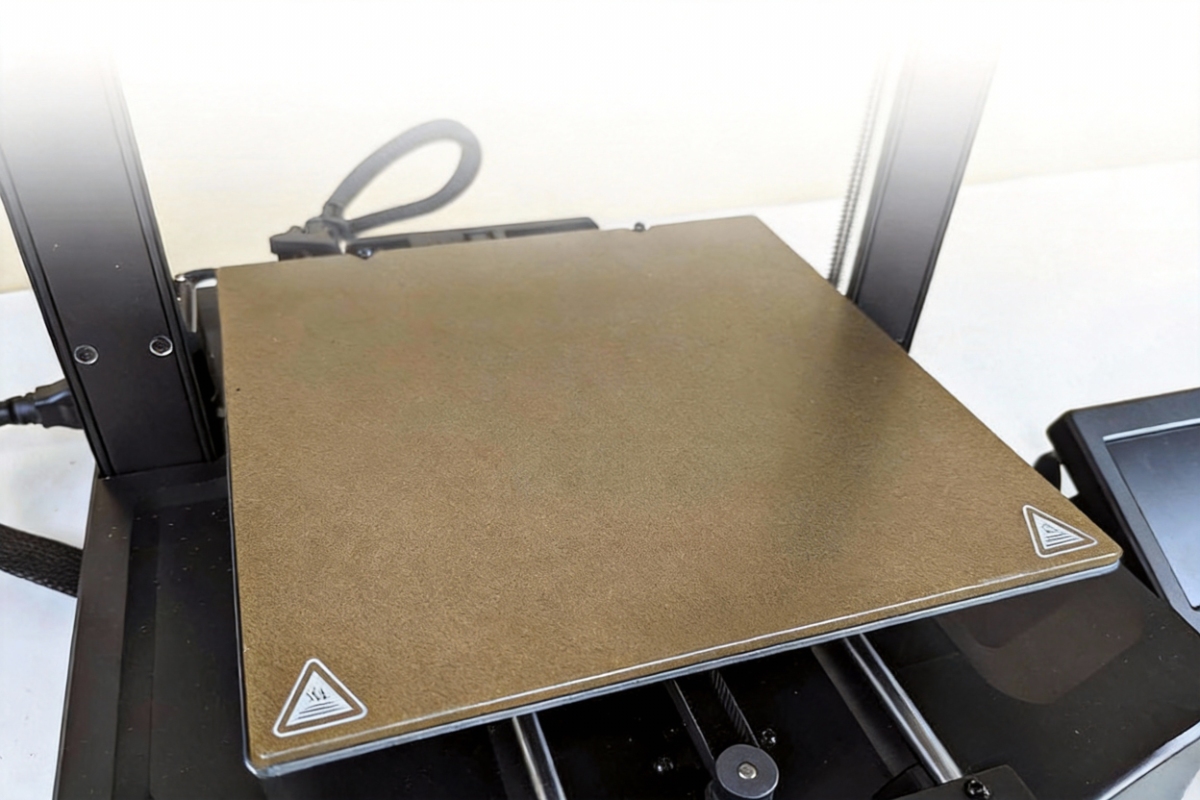
- PEI Spring Steel Plates: Avoid glass beds. Modern printers should come with a flexible, magnetic PEI sheet. Once the print is finished, you simply remove the sheet, flex it, and the part pops off. No scrapers, no glue sticks, no frustration.
Practical Home Scenarios: A Day in the Life
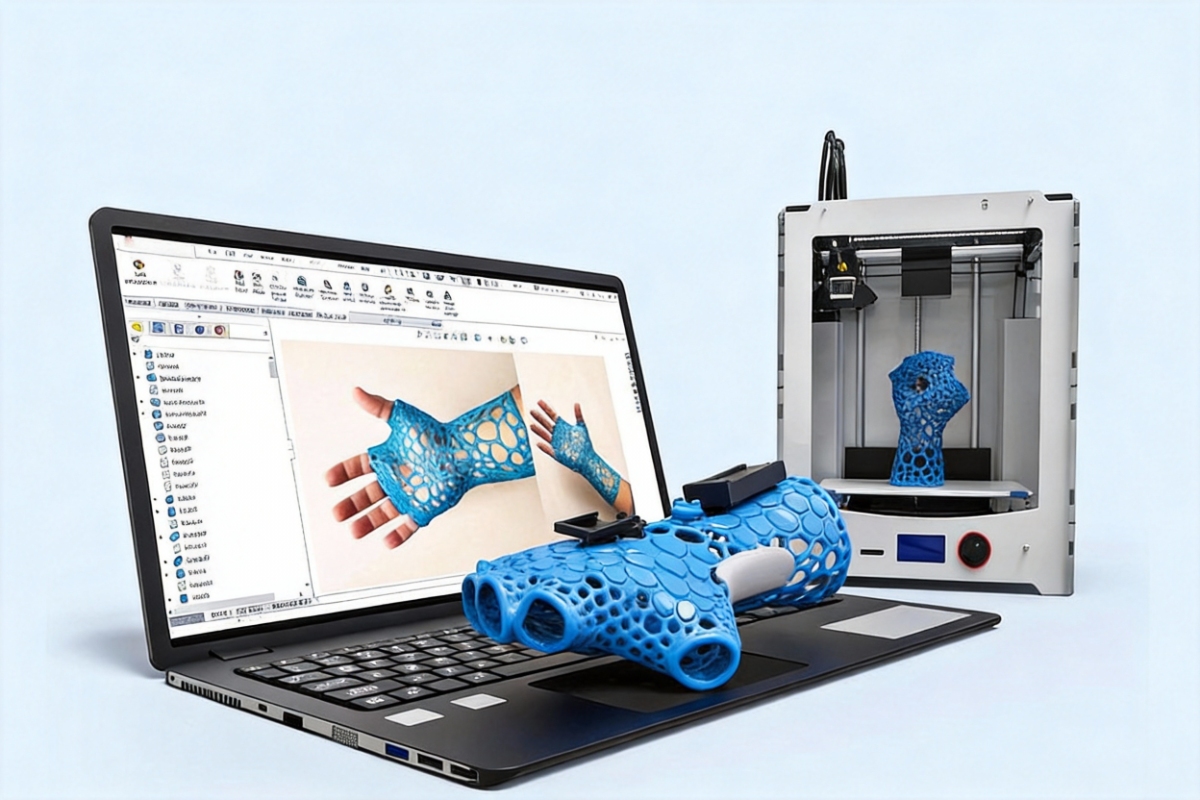
What does owning a printer actually look like?
- The Parental Success: It’s 8:00 PM, and your child remembers a school project for tomorrow. With a reliable Flashforge or Qidi Tech, you can start a 6-hour print and trust it will be finished and waiting for you on the breakfast table at 7:00 AM.
- The “Home Office” Professional: You are on a call, and your Artillery printer is humming quietly in the background. It finishes a custom bracket for your monitor mount. You pop it off the magnetic bed, and it’s ready to use immediately.
- The Weekend Fixer: You find a broken hinge on a kitchen cabinet. Instead of a trip to the hardware store, you find a similar part on a community site, adjust it slightly in free software, and print it on your Creality or Elegoo for a few cents.
Conclusion: Buying for Utility, Not Vanity
Before you purchase your first 3d printer for home use, ask yourself three questions:
- Can I sleep or work in the same room while it is running?
- Can I find a replacement nozzle or belt for this model at a local retailer?
- Does it calibrate itself so I don’t have to?
If the answer to all three is “Yes,” you aren’t just buying a gadget; you are adding a functional manufacturing tool to your home.
