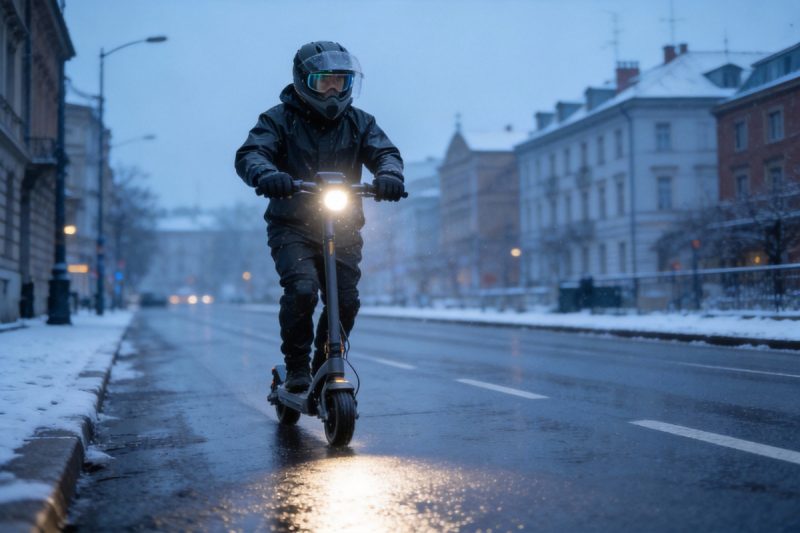
Winter commuting separates casual riders from committed ones. At typical urban speeds of 15–25 mph, cold air significantly reduces perceived temperature through wind chill, especially in damp conditions. Combined with wet leaves, painted road markings, and reduced daylight, the margin for error becomes much smaller. This is why choosing the right winter electric scooter gear is not about comfort alone—it is about maintaining control and reducing risk.
This guide focuses on practical, safety-driven upgrades that matter from November through March, helping you audit your setup for real winter commuting conditions.
Visibility: See and Be Seen in the Dark
Most stock e-scooter lights are designed primarily to help others see you, not to illuminate hazards ahead. In winter—when rain, mist, and low light are common—this limitation becomes a safety issue.
Upgrading Your Headlight (High-Lumen Solutions)
Scenario:
You are riding in a poorly lit bike lane. A shallow pothole is filled with rainwater and blends into the road surface until you are almost on top of it.
Why an Upgrade Matters:
Factory-installed scooter lights are often mounted low on the stem or fender. This creates long shadows that hide surface defects.
- Buyer’s Decision Factor:
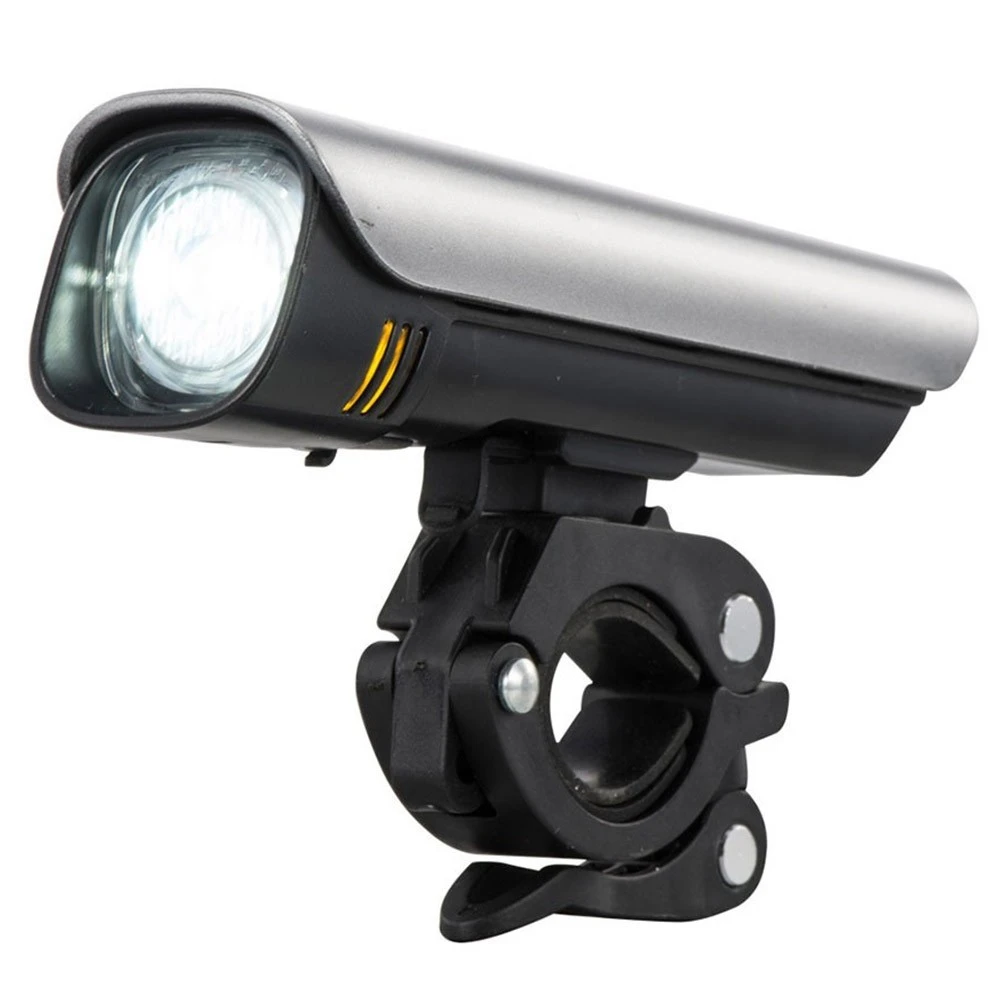
Choose a handlebar-mounted external light in the 500–1000 lumen range for urban winter commuting. - Key Feature to Check:
A beam with a defined cut-off line (such as StVZO-compliant lights in Europe) concentrates light on the road without dazzling oncoming traffic.
Passive Visibility: Reflective Gear and High-Mounted Lights
Scenario:
You are stopped at a rainy intersection. A driver looks for car headlights, not a narrow scooter profile partially obscured by spray.
Why Passive Visibility Is Critical:
Low-mounted rear lights can disappear in road mist and reflections.
- High-Point Visibility Strategy:
A helmet-mounted or upper-body light used as a supplementary visibility light helps drivers notice you at eye level. It should complement—not replace—your scooter’s primary lighting. - Reflective Options:
If a high-visibility vest does not suit your daily clothing, reflective backpack covers or LED armbands provide 360-degree visibility with minimal inconvenience.
Protection & Warmth: Battling Wind Chill
The primary winter risk is not discomfort—it is reduced motor control. Cold, numb fingers slow reaction time on the throttle and brake.
The Glove Dilemma: Warmth vs. Dexterity
Common Question:
“Can I use my ski gloves?”
Practical Reality:
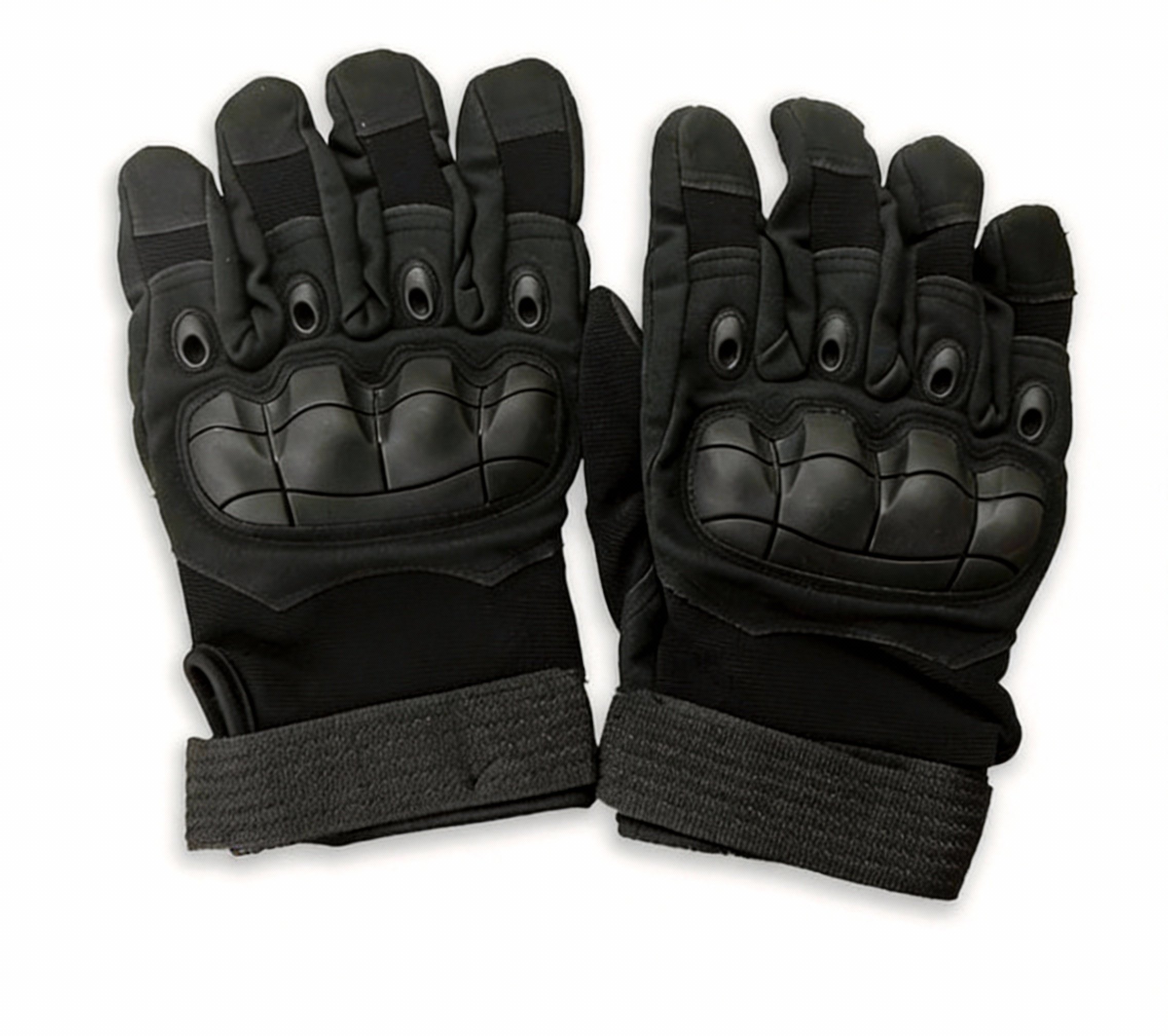
Most ski gloves prioritize insulation over dexterity. Their bulk can interfere with precise throttle input and quick brake release. While some thin, technical ski gloves may work, they are the exception rather than the rule.
- Better Choices:
Windproof cycling gloves or “lobster claw” designs that balance warmth with finger control. - Critical Feature:
Wind resistance matters more than thick insulation. Blocking 20 mph airflow preserves heat far more effectively than padding alone.
Layering for the Commute
Scenario:
It is dry but damp, and cold air cuts through a denim jacket within minutes.
- Outer Shell:
Waterproof riding gear made from abrasion-resistant fabric acts as a wind barrier and moisture shield. - Neck Protection:
The gap between helmet and collar channels cold air directly toward your core. A merino wool neck gaiter or balaclava is a low-cost, high-impact upgrade.
Winterizing Your Helmet
Scenario:
Tears form as freezing air hits your eyes, blurring vision.
- Helmet Choice:
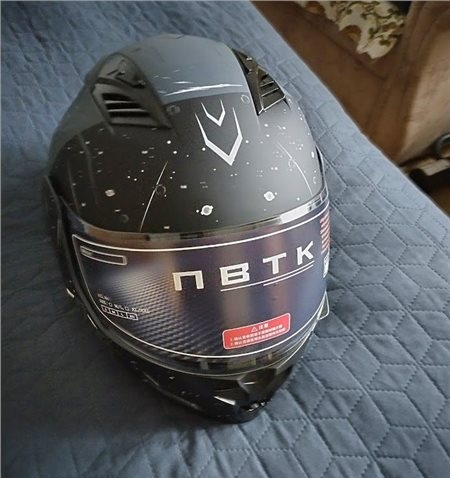
Riders regularly exceeding 20 mph should consider a full-face helmet, which significantly reduces wind exposure.
- Fog Prevention:
Visors with Pinlock inserts or anti-fog coatings are essential. In winter, warm breath will fog untreated visors quickly at stops.
Scooter Hardware: Traction and Stability
Your clothing keeps you functional; your tires keep you upright.
Tires: Pneumatic vs. Solid for Winter
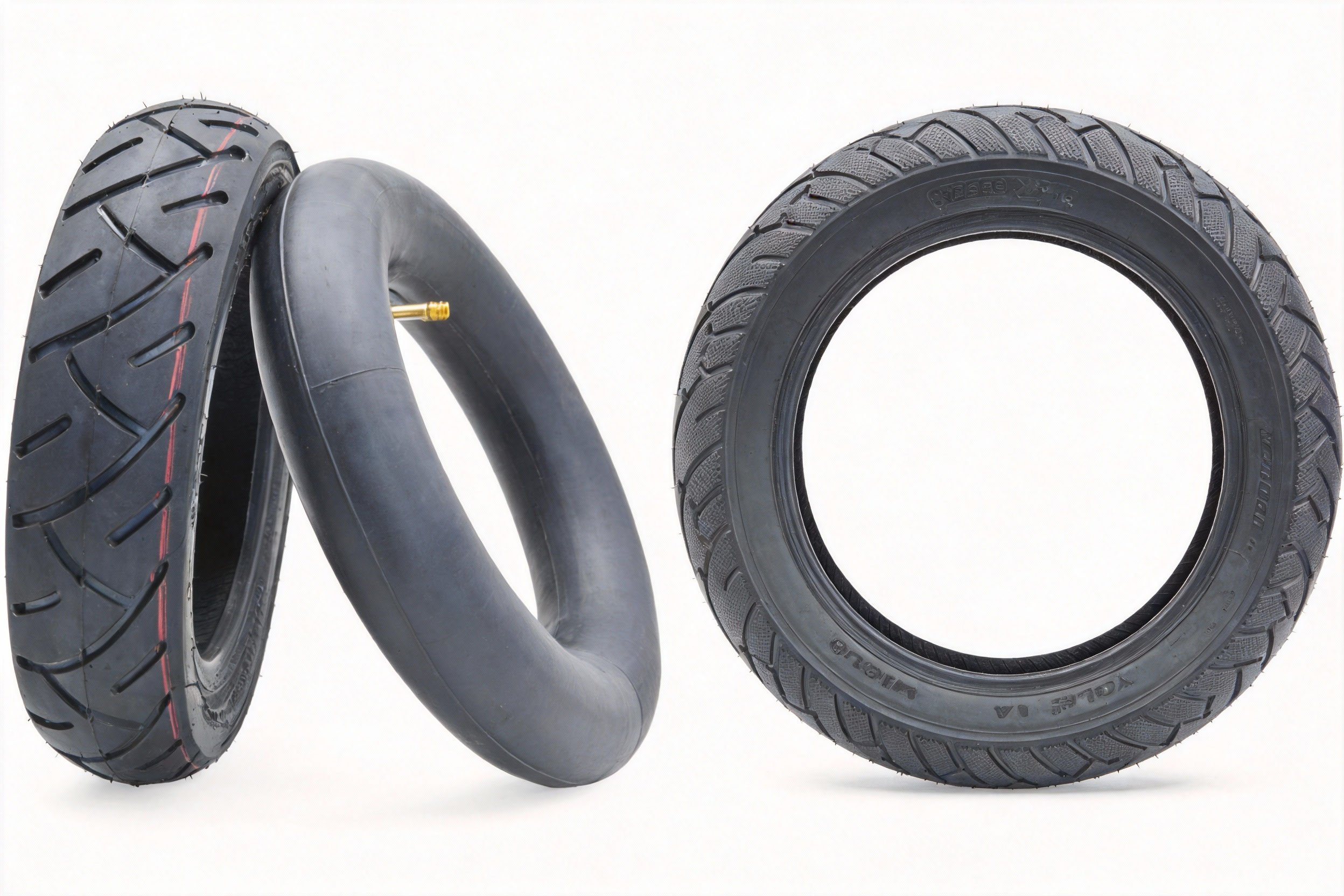
Common Concern:
“I use solid tires to avoid flats—are they safe in winter?”
Safety Assessment:
Solid tires typically use harder rubber compounds that stiffen further in cold temperatures, sharply reducing grip on wet pavement, metal covers, or painted lines.
- Preferred Option:
Pneumatic (air-filled) tires provide better cold-weather compliance and traction. - Pressure Adjustment (With Limits):
Reducing tire pressure slightly—up to ~5 PSI, while staying within the manufacturer’s safe range—can increase the contact patch and improve grip. This applies mainly to standard 9–10 inch pneumatic tires. - Tread Design:
Tires with deeper channels help disperse water and reduce hydroplaning risk.
Deck Grip and Mudguards
Scenario:
Wet boots meet worn grip tape, and your foot shifts mid-turn.
- Grip Tape Check:
Replace smooth or worn tape with coarse, skateboard-style grip tape for wet conditions. - Fender Coverage:
Stock mudguards often fail to contain winter spray. Fender extenders reduce road slush on clothing and improve visibility by keeping lights cleaner.
Critical Winter Riding Tips (Using the Gear Correctly)
Even the best winter electric scooter gear cannot override physics.
Braking and Body Position
- Brake Early, Brake Straight:
Complete braking before entering turns on wet surfaces. - Watch for “Rainbow Sheen”:
Oil rises on wet roads, creating extremely slippery patches. Avoid braking or accelerating over them.
Battery Care in Cold Weather
- Reduced Range:
Cold temperatures can reduce effective range by up to 30% due to voltage sag. - Safe Charging Rule:
Always let the scooter warm to room temperature before charging. Charging a frozen battery can cause permanent cell damage.
Conclusion & Winter Gear Checklist
Winter commuting on an e-scooter is practical when approached systematically. Before each ride, ask:
- Visibility: Do I have effective forward lighting and high-point visibility?
- Hands: Can I clearly feel throttle and brake engagement?
- Vision: Is my visor or eyewear fog-free?
- Tires: Are pressures appropriate for cold, wet conditions?
- Body: Is my outer layer blocking wind and moisture?
By addressing visibility, warmth, and traction with the right winter electric scooter gear, winter riding becomes predictable, controlled, and far safer.
