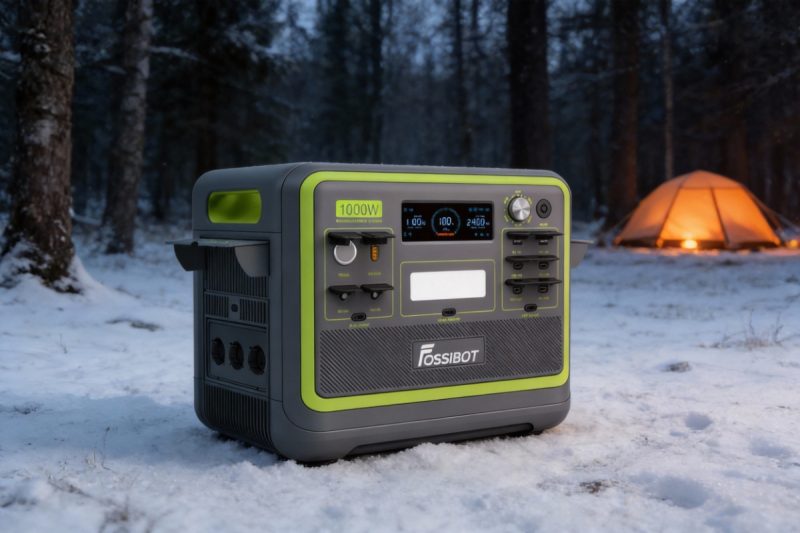
Winter camping in Europe offers a starkly different beauty from the crowded summer season, ranging from the silent, snow-covered forests of Scandinavia to the high-altitude peaks of the Alps. However, the margin for error is significantly narrower. Success in these environments relies less on willpower and more on the reliability of your winter camping power supply.
When the temperature drops below freezing and the nights stretch for 16 hours, electricity ceases to be a luxury; it becomes a critical component of your safety and heating infrastructure. This guide covers the operational realities of maintaining power off-grid during a European winter.
The European Energy Deficit: Why Winter Is Different
The primary challenge of winter camping in Europe is not just the cold; it is the geography. Europe’s high latitude results in a severe reduction of solar energy potential, exactly when your energy demand is highest.
The Latitude Problem
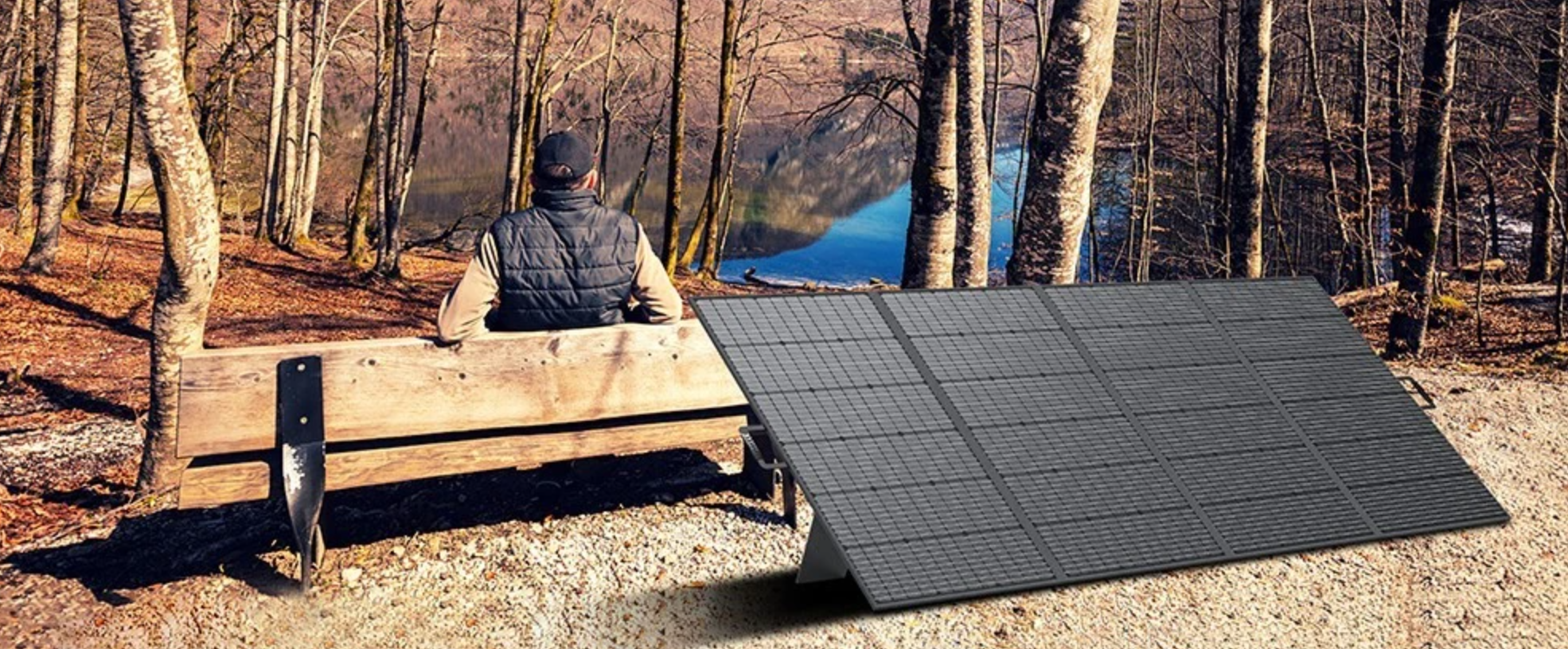
In summer, a camper in Southern France might rely entirely on solar panels. In December, that same setup will likely fail. As you move north, the solar window collapses.
- Central Europe (Alps/Germany): Around 8 hours of daylight, with low sun angles often blocked by mountains or overcast skies.
- Northern Europe (Scandinavia): Above the Arctic Circle, polar night can last weeks. Even southern Sweden may see only 4–5 hours of usable daylight.
Relying solely on solar power for a winter expedition is a calculated risk that frequently leads to failure.
The “16-Hour Night” Calculation
Winter fundamentally changes the math of power consumption. In July, lighting may be needed for two hours. In January, artificial lighting can be required from 4:00 PM until 8:00 AM.
- Lighting: usage increases by 300–400%.
- Entertainment / Work: extended indoor time increases device charging needs.
- Heating Support: diesel or gas heaters still require electricity for fans and control systems.
Plan your system around a 16-hour continuous discharge window, not summer-style intermittent use.
Critical Decision: Battery Chemistry & Management
The chemistry of your battery is the weakest link in cold conditions. Most modern portable power stations use Lithium-Ion or Lithium Iron Phosphate (LiFePO4). While efficient, both share critical winter limitations.
The Freezing Limit
Lithium batteries cannot be charged when their internal temperature is below 0°C (32°F). Charging under these conditions causes lithium plating, leading to permanent capacity loss and potential safety risks.
Most quality Battery Management Systems (BMS) automatically block charging at freezing temperatures, often leaving users unable to recharge despite available solar or vehicle power.
Thermal Management Protocols
- Active Heating: Some systems include internal heaters that warm cells before charging. For winter use, prioritize units with a built-in battery heater for camping.
- Passive Insulation: Keep power stations off cold ground and use insulated mats or foam enclosures.
Lead-Acid / AGM vs. Lithium
Lead-Acid and AGM batteries can accept charge below freezing, but their usable capacity may drop by 40–50% in sub-zero temperatures, with increased voltage sag under load.
In extremely cold, unheated basecamps, AGM batteries may offer greater robustness—but not higher efficiency—than lithium.
Power Generation Strategies (When Solar Fails)
DC-DC Charging (The Gold Standard)
For vehicle-based campers, DC-DC charging from the alternator is the most reliable winter solution.
- Drive to charge: A 30A DC-DC charger can replenish a 100Ah battery in about 3 hours of driving.
- Idle charging: Possible in emergencies, but inefficient and often restricted.
Portable Power Stations as “Life Rafts”
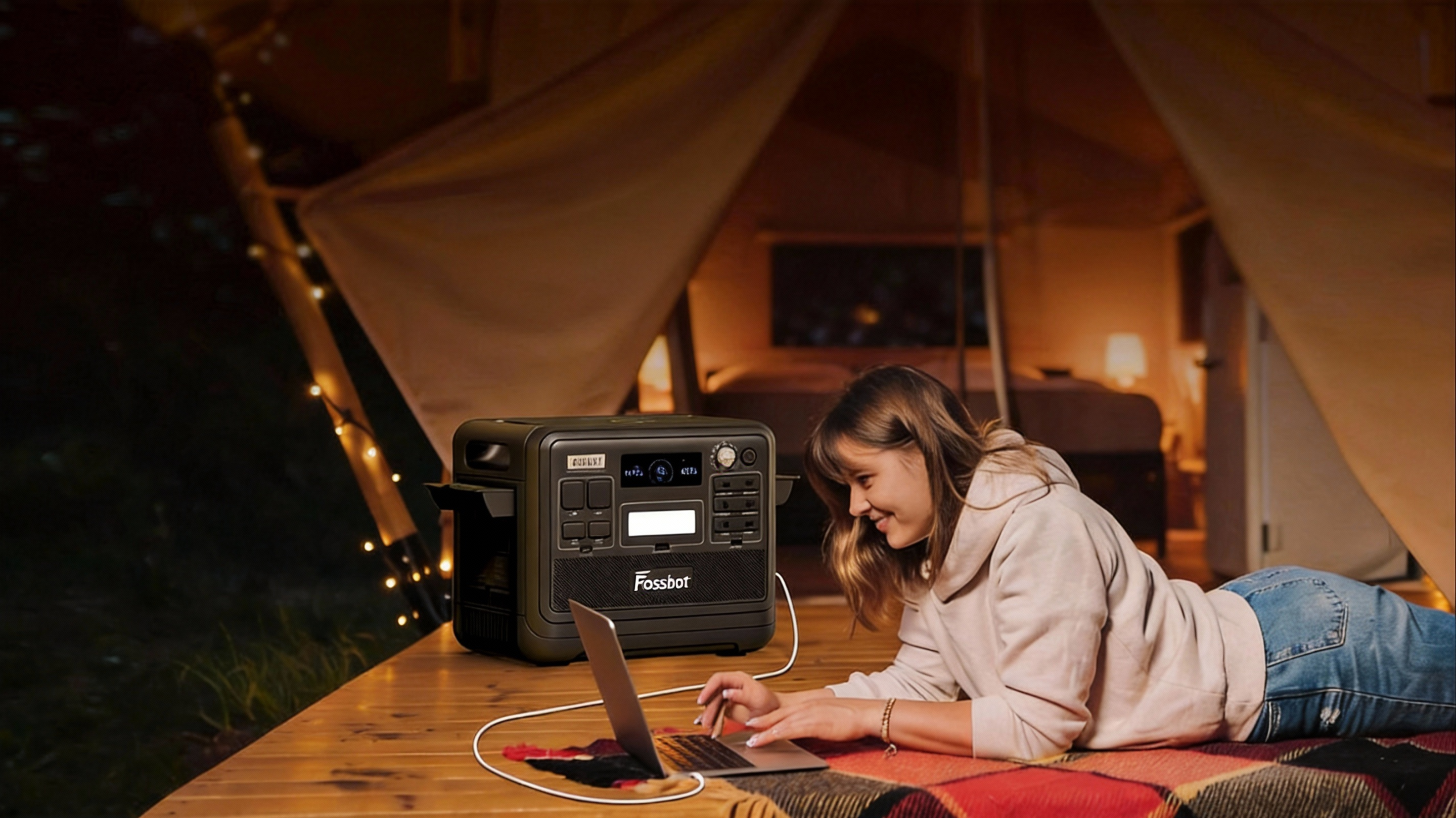
Portable power stations offer critical mobility. If your environment freezes, relocating the unit closer to body warmth can restore charging capability.
Do not fully enclose the unit or block ventilation. Thermal buffering is the goal, not moisture or heat trapping.
Shore Power & Generators
Many European campsites close during winter. Those that remain open often charge premium rates.
Generators work but are noisy, restricted in many regions, and best reserved for last-resort scenarios.
Heating & Power Consumption Scenarios
The Diesel Heater Reality
- Startup: Glow plugs draw 8–12A briefly.
- Running: Continuous draw of 1–2A, totaling 16–32Ah over a 16-hour night.
Contact Heat vs. Ambient Heat
Electric space heaters are impractical off-grid. Focus instead on direct contact heating.
- Electric blankets: Typically 40–50W, ideal for pre-heating bedding.
- Heated vests: USB-powered and highly energy efficient.
Managing Condensation
Ventilation is essential to prevent moisture buildup and freezing on electronics. Account for fan consumption (0.5–1A continuous) in your energy plan.
Risk Assessment & Failure Protocols
The “No-Heat” Contingency
- Use sleeping bags rated for actual ambient temperatures.
- Carry non-electric heat backups such as chemical warmers.
Jump-Start Independence
- Ensure isolation between starter and house batteries.
- Carry a lithium jump starter and keep it warm.
Conclusion: The Go / No-Go Checklist
- Capacity: Enough power for at least two nights without charging.
- Thermal protection: Battery insulated or heated.
- Redundancy: DC-DC charging available if solar fails.
- Survival readiness: Sleeping gear rated for no-power scenarios.
Winter camping rewards preparation and punishes assumptions. With accurate planning and proper battery protection, Europe’s winter landscapes can be explored safely and confidently.
