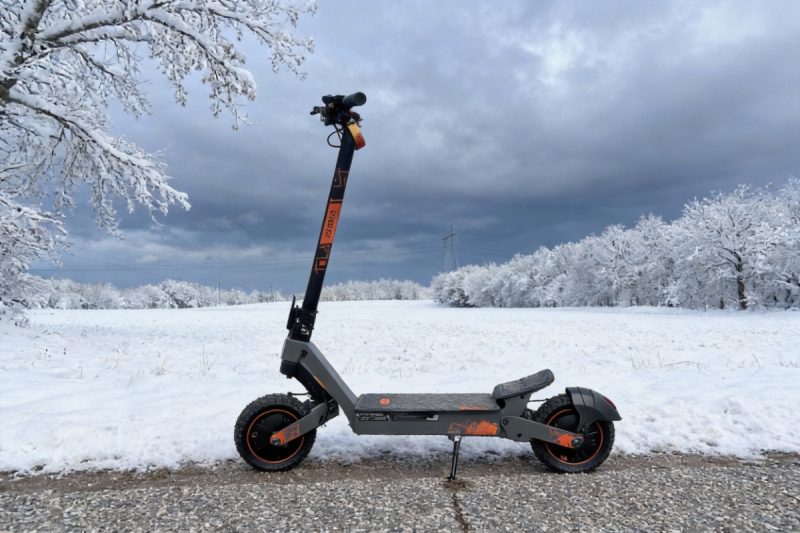
Navigating the transition into the colder months requires a strategic shift in how you commute. While winter e-scooter riding in Europe offers a way to avoid crowded public transport, it introduces unique variables—from plummeting battery efficiency to treacherous “black ice” on cobblestone streets. Success during a European winter isn’t about bravery; it’s about recognizing your technical limits and knowing exactly when the risks outweigh the benefits of micro-mobility.
The Reality Check: Defining Your Safety Boundaries
In an urban European context, the “Safety Boundary” is defined by two factors: surface traction and operating temperature. Understanding these limits prevents accidents before they happen.
The “Hard No” Conditions
There are specific scenarios where you should leave the scooter at home:
- Black Ice & Freezing Rain: If temperatures hovered around 0°C overnight after rain, Europe’s cycling lanes become skating rinks. Black ice is nearly invisible and provides zero friction for small scooter wheels.
- Heavy Snow Accumulation: E-scooter tires lack the diameter to “plow” through snow. If the snow is deep enough to touch the underside of your deck, you risk mechanical failure and loss of control.
- Extreme Cold (< -5°C): At these temperatures, lithium-ion batteries may stop providing power entirely, and plastic components become brittle and prone to snapping.
The “Yes” Camp: Who Should Keep Riding?
Winter riding is feasible, and even enjoyable, for a specific profile of rider. You should consider continuing if:
- You Have the Right Hardware: Your scooter is equipped with pneumatic (air-filled) tires or dedicated winter tires with deep treads. Solid rubber tires harden in the cold, losing almost all grip.
- Your Route is “Managed”: You live in a city like Berlin, Paris, or Oslo where bike lanes are salted and cleared as a priority.
- Short-Distance Commuters: Your trip is under 5km. Short bursts minimize battery “cold-soak” and prevent rider fatigue, which slows reaction times.
The “No” Camp: Who Should Avoid the Deck?
Safety is an individual calculation. You should opt for an alternative if:
- The “First-Timer” Factor: If you only started riding this summer, winter is not the time to test your limits. The lack of “muscle memory” for handling skids is dangerous.
- Long-Distance Treks: If your commute is 10km+, the battery voltage sag in the cold may leave you stranded halfway, and the wind chill increases the risk of hypothermia.
- Hilly Terrain: If your route involves steep European inclines, the combination of damp leaves and cold pavement makes braking significantly less predictable.
The Smart Hack: The Scooter + Metro Hybrid
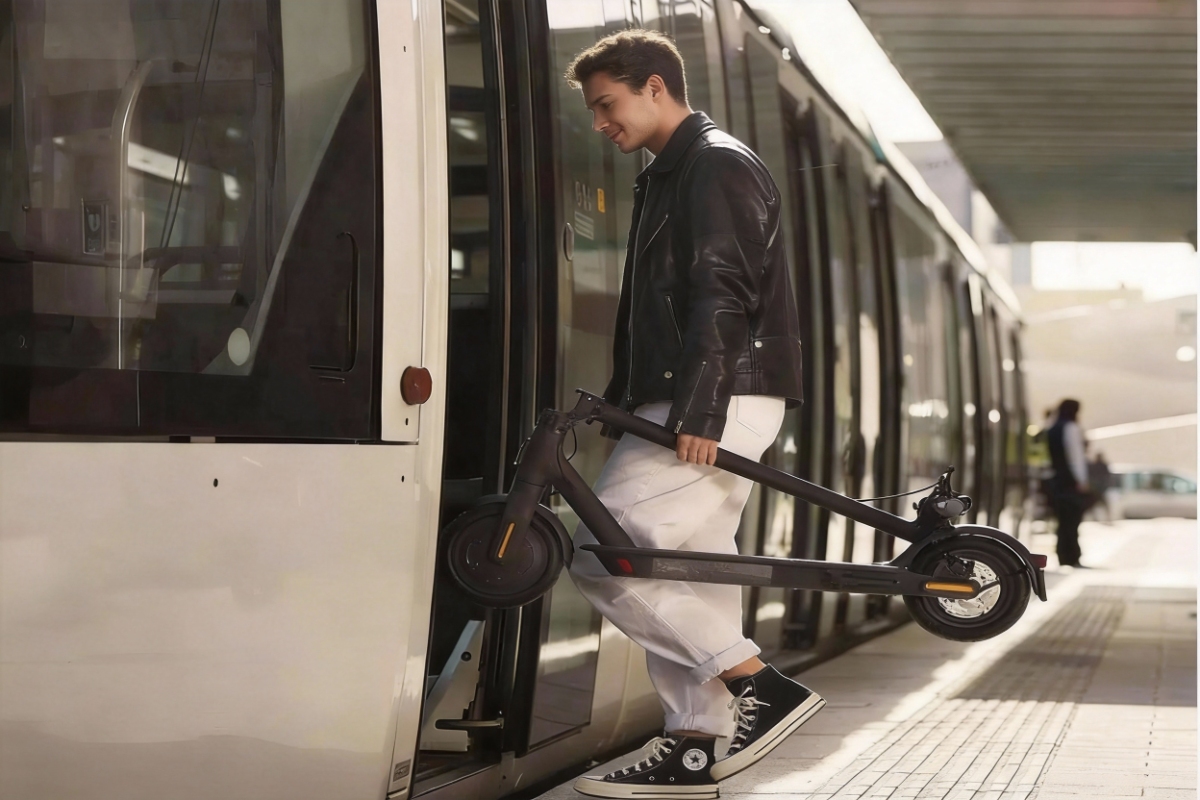
Choosing not to ride the full distance is not a failure; it is a professional commute hack. Most European cities boast world-class underground and light-rail networks. Instead of fighting a 30-minute freezing gale, use the Hybrid Model:
- The First Mile: Use the scooter to reach the nearest Metro station, avoiding the long walk in the cold.
- The Transit Gap: Fold your scooter and take it on the train. This keeps the battery at a stable temperature and keeps you warm.
- The Last Mile: Exit the station and glide the final few hundred meters to your office door.
Pro Tip: This strategy preserves your equipment, extends your battery’s lifespan, and ensures you arrive at your destination dry and professional.
Essential Maintenance for Winter Survivors
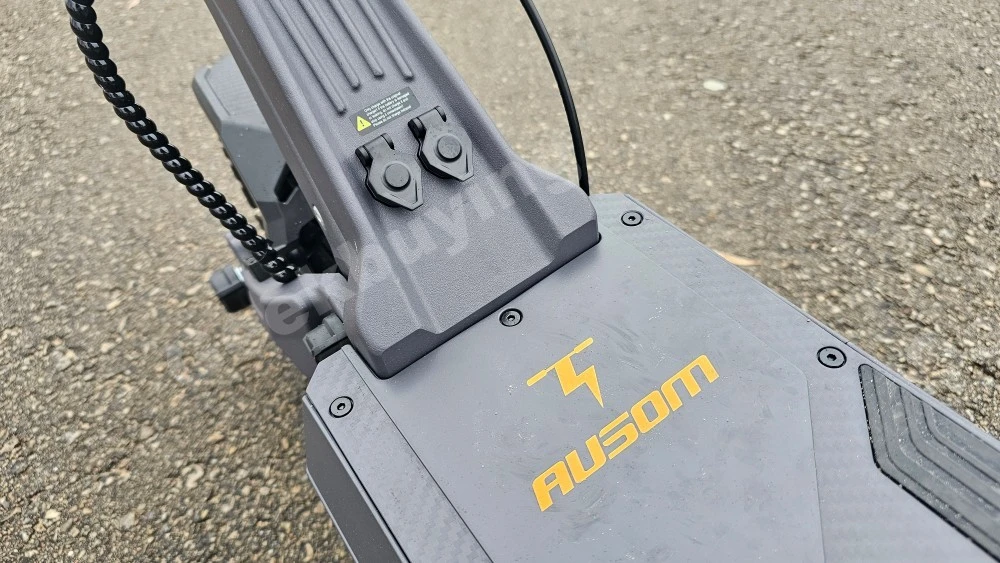
If you fall into the “Yes” camp, follow these two golden rules to protect your investment:
- The 1-Hour Rule: Never charge your scooter immediately after a cold ride. Let it reach room temperature for at least 60 minutes to prevent internal condensation and battery damage.
- Anti-Corrosion Wipe Down: Road salt is the “scooter killer.” Wipe your deck and folding mechanism with a damp cloth after every ride to prevent rust and seizing.
